










Once a concern for older populations, bowel cancer has recently solidified its reputation as a threat to younger adults.
But even though it now ranks among the most prevalent forms of cancer in Britain, public understanding of the warning signs remains surprisingly limited, according to the Consultant General Surgeon, Jeremy Clark.
And because discussions around digestive health continue to be considered taboo, many are reluctant to disclose unusual symptoms to their GP.
Dr Clark, who specialises in colorectal conditions at Nuffield Health in Brighton, stresses that five symptoms warrant immediate attention.
TRENDING
Stories
Videos
Your Say
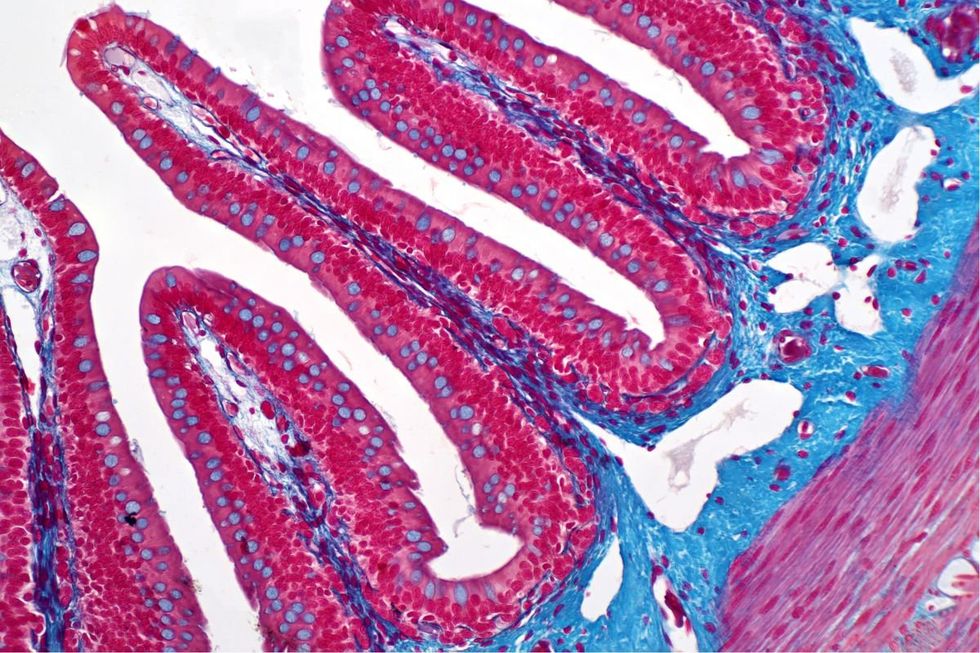
The symptoms of colon cancer overlap with those of many other minor ailments
|GETTY
"There's a whole host of symptoms, but the problem is that they all cross over with other less serious problems, such as haemorrhoids or irritable bowel syndrome, so people often ignore or easily dismiss these symptoms."
Passing blood when using the toilet is common in patients with haemorrhoids, for example, but it can also signal that a tumour is growing inside the digestive tract. The colour can be very telling.
"Passing blood when you go to the toilet is a worrying feature that you should flag to your GP," warned Dr Clark. "The colour of such bleeding can range considerably, from vivid red to an almost black hue."
Blood originating from the upper colon travels several feet through the digestive system, turning dark before being expelled. Bleeding from lower regions, however, appears bright red.
"If you see blood in the stools, particularly darker-coloured blood or blood that's actually mixed in with the stools, just once and it's significant, that should be reported to your doctor straight away," Dr Clark advised.
Paying attention to bowel patterns could also reveal vital information about the digestive tract, so you want to be alert to any sustained alterations.
While brief disruptions lasting a day or two are nothing to worry about, persistent changes warrant medical consultation.
For many cancer patients, changes in bowel movements are accompanied by abdominal pain, although this typically manifests in the advanced stages of the disease.
Often, bloatedness becomes an issue, with Dr Clark noting: "People often feel quite bloated if there's something wrong going on in the bowel".
Finally, he warns losing weight without explanation should also prompt concern, adding: "Bowel cancers can cause you to lose weight by having an impact on how your digestion is working."
LATEST DEVELOPMENTS
The challenge, according to Dr Clark, is these symptoms overlap with a host of other – far less serious – ailments like piles or irritable bowel syndrome, leading many patients to dismiss them.
However, when symptoms are reported early, treatment prospects improve dramatically, as does the patient's overall prognosis.
"We don't want people to be sitting on symptoms for a couple of months, wondering if something is going to change back to normal, because although bowel cancer usually does progress slowly, occasionally it can be more aggressive," Dr Clark explained.
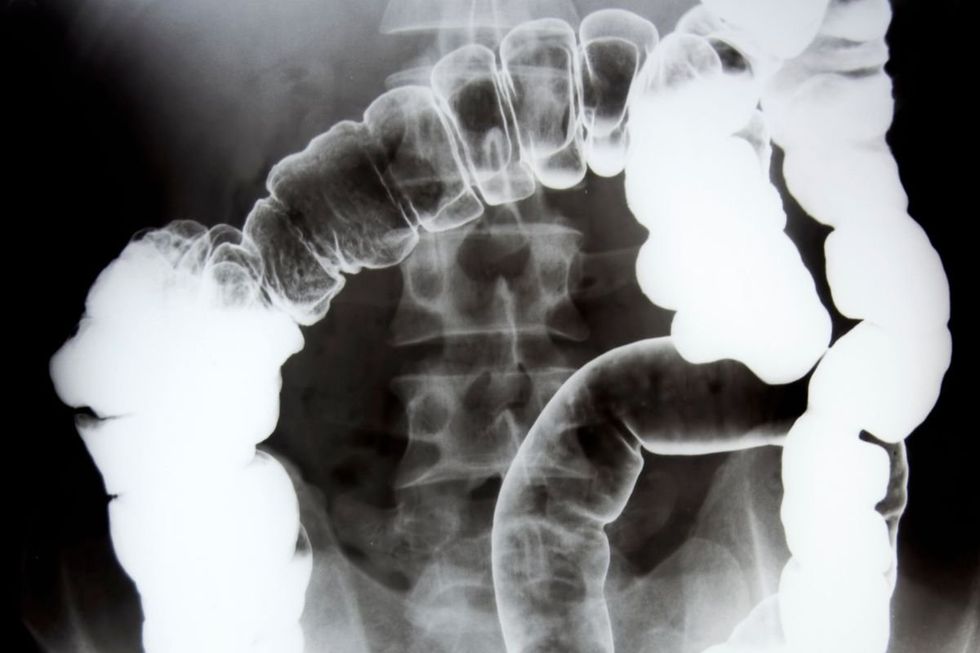
Public awareness of the warning signs remains surprisingly limited
|GETTY
Those who experience symptoms should contact their GP, who will typically provide a Faecal Immunochemical Test (FIT) for home use.
The test involves collecting a small stool sample for laboratory analysis, with results typically arriving within a fortnight.
The NHS offers the test kits biannually to individuals aged 50 to 74, through its national screening programme.
Should results show that there is blood in the stools, patients are typically referred for either a colonoscopy or a CT scan.
"By doing that, we pick things up much earlier, and they become more treatable and curable," Dr Clark confirmed.
Our Standards: The GB News Editorial Charter