







The Moon's surface is set to be littered with the carcasses of space debris after researchers proposed specific areas be designated as spacecraft graveyards where obsolete satellites can be deliberately crashed.
The designated impact zones would be positioned well away from locations holding cultural significance or scientific value.
During an expert panel at the Space-Comm meeting held in Glasgow this December, Dr Fionagh Thomson, a senior research fellow at the University of Durham who organised the panel, warned of the consequences facing the lunar surface.
"These satellites will have to be crash-landed on the moon, so it will potentially become a rubbish site," said Dr Thomson.
TRENDING
Stories
Videos
Your Say
The growing number of satellites expected to orbit the moon in coming years has prompted concerns about how to dispose of defunct hardware safely.
Without an atmosphere to burn up space debris like Earth has, operators face limited choices for dealing with satellites which have exhausted their fuel supplies.
Lunar activity is set to dramatically increase over the coming twenty years, with more than 400 missions planned for the moon.
Space agencies and commercial entities are preparing to establish bases, conduct mining operations, and deploy scientific equipment across the lunar landscape.
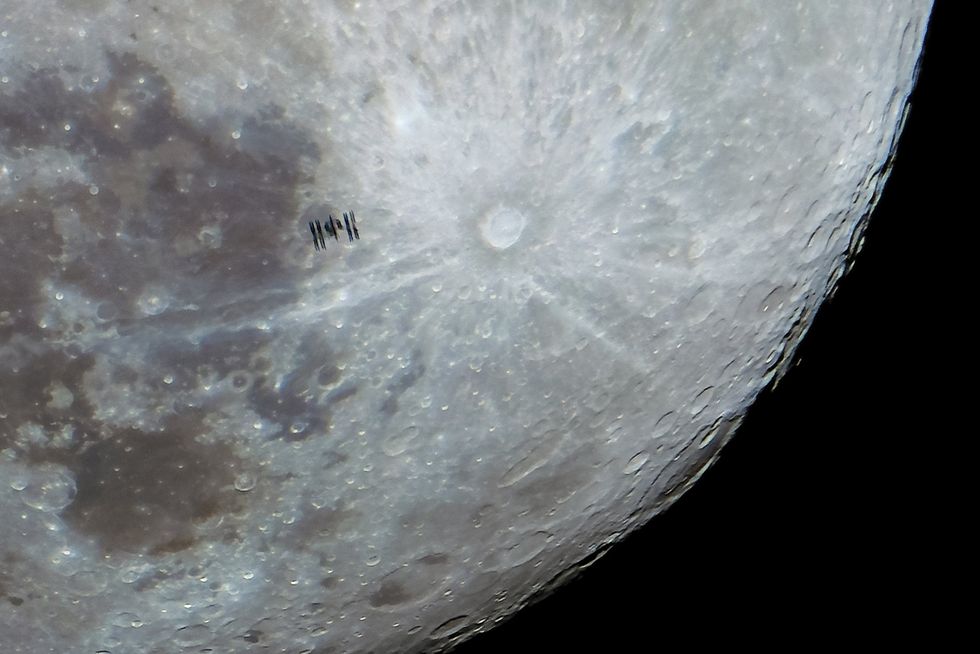
Scientists have suggested earmarking the graveywards well away from locations holding cultural significance or scientific value
|GETTY
The Lunar Gateway, a space station led by Nasa that will circle the moon, forms part of this expansion.
On the surface, the Artemis base camp is planned, whilst China and Russia are collaborating on a second lunar base.
Supporting this surge of activity will require constellations of satellites providing positioning, navigation and communications services around the moon.
The European Space Agency intends to launch its Lunar Pathfinder satellite next year, serving as a testbed for the Moonlight constellation expected to become operational by 2030.
LATEST DEVELOPMENTS:
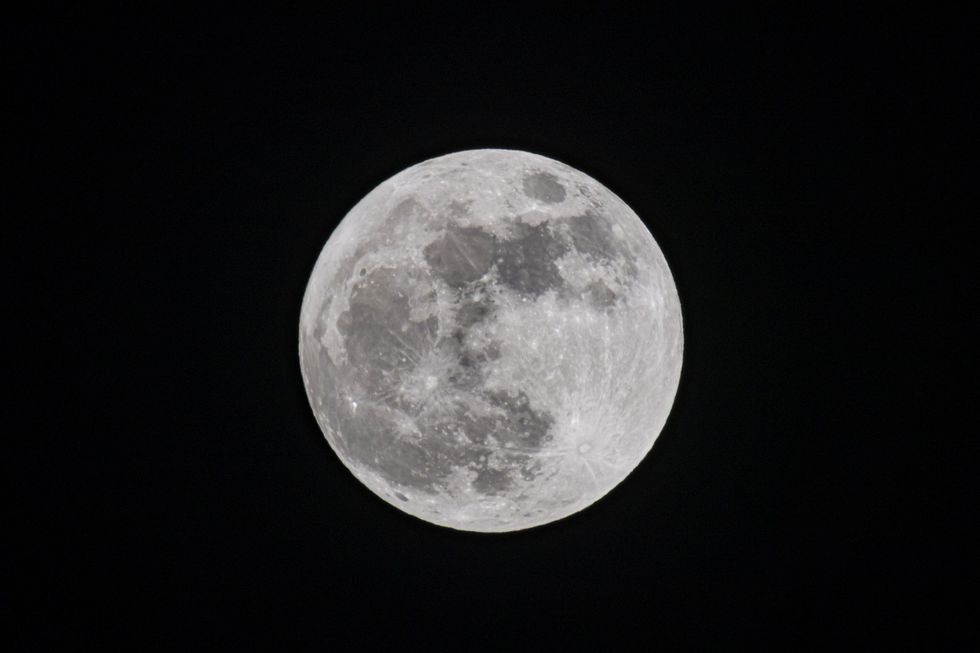
Questions have been raised of what to do with the satellites when they exhaust their fuel reserves
|GETTY
When these satellites exhaust their fuel reserves, operators must determine how to dispose of them safely.
Uncontrolled impacts from defunct satellites pose multiple hazards to lunar operations and heritage sites.
Scientists are particularly worried about potential damage to historic locations such as the first astronaut footprints, along with scientific equipment and areas valuable for research.
Satellites will strike the surface at velocities reaching 1.2 miles per second, creating powerful vibrations which could interfere with delicate instruments researchers want to establish on the moon.
Impact scars are anticipated to extend for tens of metres across the terrain.
The collisions will also generate enormous plumes of abrasive dust capable of coating telescopes and harming equipment.
Prof Ian Crawford of Birkbeck, University of London, acknowledged the issue requires attention.
"It's not an immediate concern, given the surface area of the moon, but the more lunar satellites there are, the greater the chance that some may crash into scientifically or culturally sensitive locations," said Prof Crawford.
"We do need a plan going forward."
Operators confronting end-of-life decisions for lunar satellites have three primary disposal paths available.
Satellites equipped with sufficient fuel could depart to orbit the sun, though this proves expensive, whilst shifting to a more distant lunar orbit presents challenges due to the moon's irregular gravitational field.
Controlled crashes into the lunar surface represent the most feasible option, but require coordination to avoid sensitive areas.
International bodies, including the UN's Action Team on Lunar Activities Consultation and the Inter-Agency Space Debris Coordination Committee, currently chaired by the UK, are developing best practice guidelines for lunar satellite disposal.
The concept of designated impact zones has emerged as the preferred solution.
Ben Hooper, senior project manager for Lunar Pathfinder at Surrey-based satellite manufacturer SSTL, supported the approach.
"Establishing graveyard zones on the moon is the most practical solution," said Mr Hooper.
"Designating specific regions as 'impact zones' would limit the spread of human artefacts across the lunar surface, preserving other areas for scientific exploration and future operations."
Large craters could serve as containment areas, trapping the dust clouds generated by impacts.
Charles Cranstoun, who heads the ESA's Moonlight programme office, confirmed satellites would be crashed "in specified zones" to avoid "sites of scientific interest and historical importance and ongoing missions".
Our Standards: The GB News Editorial Charter