




A Nigerian court has ordered the British government to pay £420million in compensation to the families of 21 coal miners shot dead by colonial police more than 70 years ago.
Justice Anthony Onovo of the Enugu High Court ruled that Britain’s former colonial administration was responsible for the 1949 killings at the Iva Valley Coal Mine in southeastern Nigeria.
Under the ruling, each affected family is to receive £20million in damages.
Britain had no representative in court and was not represented during the proceedings.
TRENDING
Stories
Videos
Your Say
The British government said it was unable to comment on the ruling, telling the BBC it had not been formally notified of the decision.
Relatives of the victims and campaigners have pursued justice for decades over the incident.
The miners had been protesting over poor working conditions, low pay and unpaid wages.
After colonial authorities failed to respond, workers began a go-slow protest and occupied the mine to prevent management from locking them out.
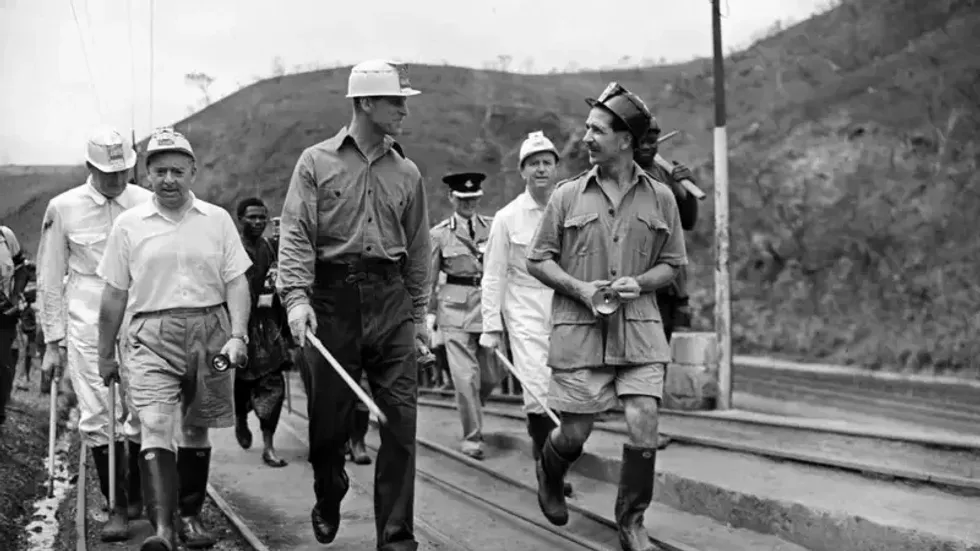
Colonial police officers - including both Nigerian and European personnel - opened fire on the unarmed workers
|GETTY
“These defenceless coal miners were asking for improved work conditions; they were not embarking on any violent action against the authorities, yet they were shot and killed,” Justice Onovo said.
Colonial police officers - including both Nigerian and European personnel - opened fire on the unarmed workers.
A further 51 miners were seriously injured in the shooting.
Nigeria’s state-run News Agency of Nigeria has described the massacre as one of the most notorious acts of repression under British rule.
LATEST DEVELOPMENTS
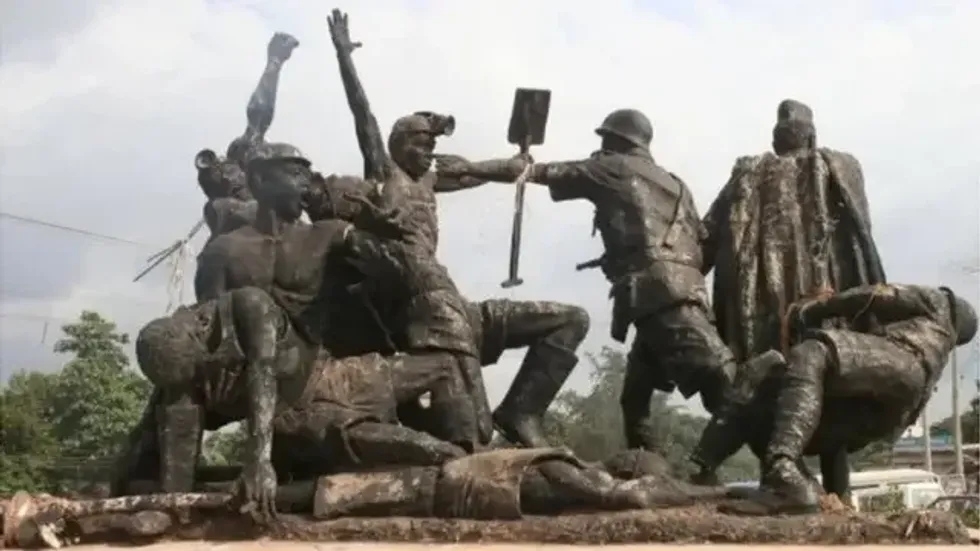
The miners had been protesting over poor working conditions, low pay and unpaid wages
|CENTRE FOR MEMORIES
Coal mining was a major source of revenue for the colonial government at the time.
Justice Onovo ruled that the killings amounted to an unlawful and extrajudicial violation of the miners’ fundamental right to life.
He said the British government must be held accountable and provide reparations to the victims’ descendants.
In addition to the compensation award, the court ordered Britain to issue a formal apology to be published in newspapers in both Nigeria and the UK.
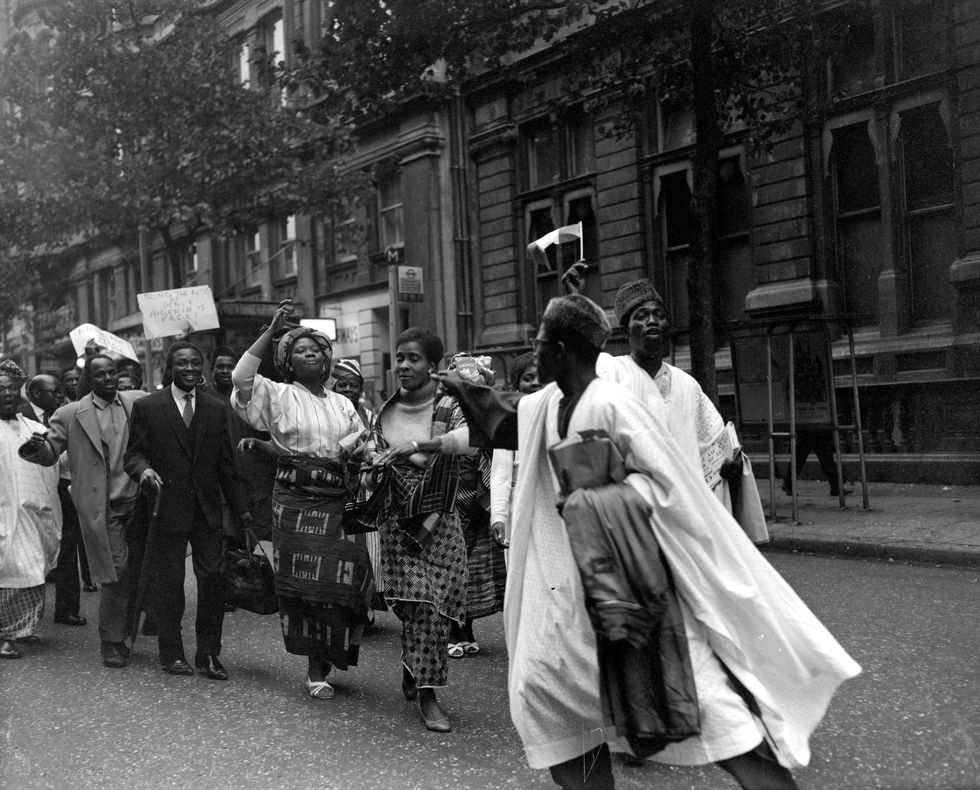
Nigeria gained independence from Britain in 1960
|GETTY
The judgment also applies a 10 per cent annual interest rate on the compensation until it is fully paid.
The case was brought by human rights activist Greg Onoh, who named the UK Foreign Office, the British government and Nigerian authorities as respondents.
Justice Onovo directed the Nigerian government to begin diplomatic engagement with Britain within 60 days to seek enforcement of the ruling.
The Iva Valley massacre later became a defining moment in Nigeria’s anti-colonial struggle, which culminated in independence in 1960.
Professor Yemi Akinseye-George, representing the applicants, described the ruling as historic.
“This ruling represents a significant milestone in the pursuit of historical accountability and justice for colonial-era violations, affirming that the right to life transcends time, borders, and changes in sovereignty,” he said.
Our Standards:
The GB News Editorial Charter
More From GB News