






Priceless ancient Egyptian artefacts were stolen from the tomb of Tutankhamun, a bombshell new documentary has claimed.
Fresh evidence has emerged suggesting British archaeologist Howard Carter stole treasures from the Pharaoh's resting place.
Carter, who died in 1939, unearthed the 3,300-year-old burial chamber in Egypt's Valley of the Kings in November 1922.
The discovery ranks among the most significant - and certainly most famous - finds in archaeological history.
But suspicions that Carter removed items before the Pharaoh's vault was officially unsealed have persisted for decades.
Concrete proof had remained elusive - until, apparently, now.
A Channel 4 documentary revealed previously unpublished correspondence for the first time on screen.
It features Egyptian heritage specialist Sally El-Sabbahy examining letters that appear to confirm long-standing rumours about Carter's conduct.
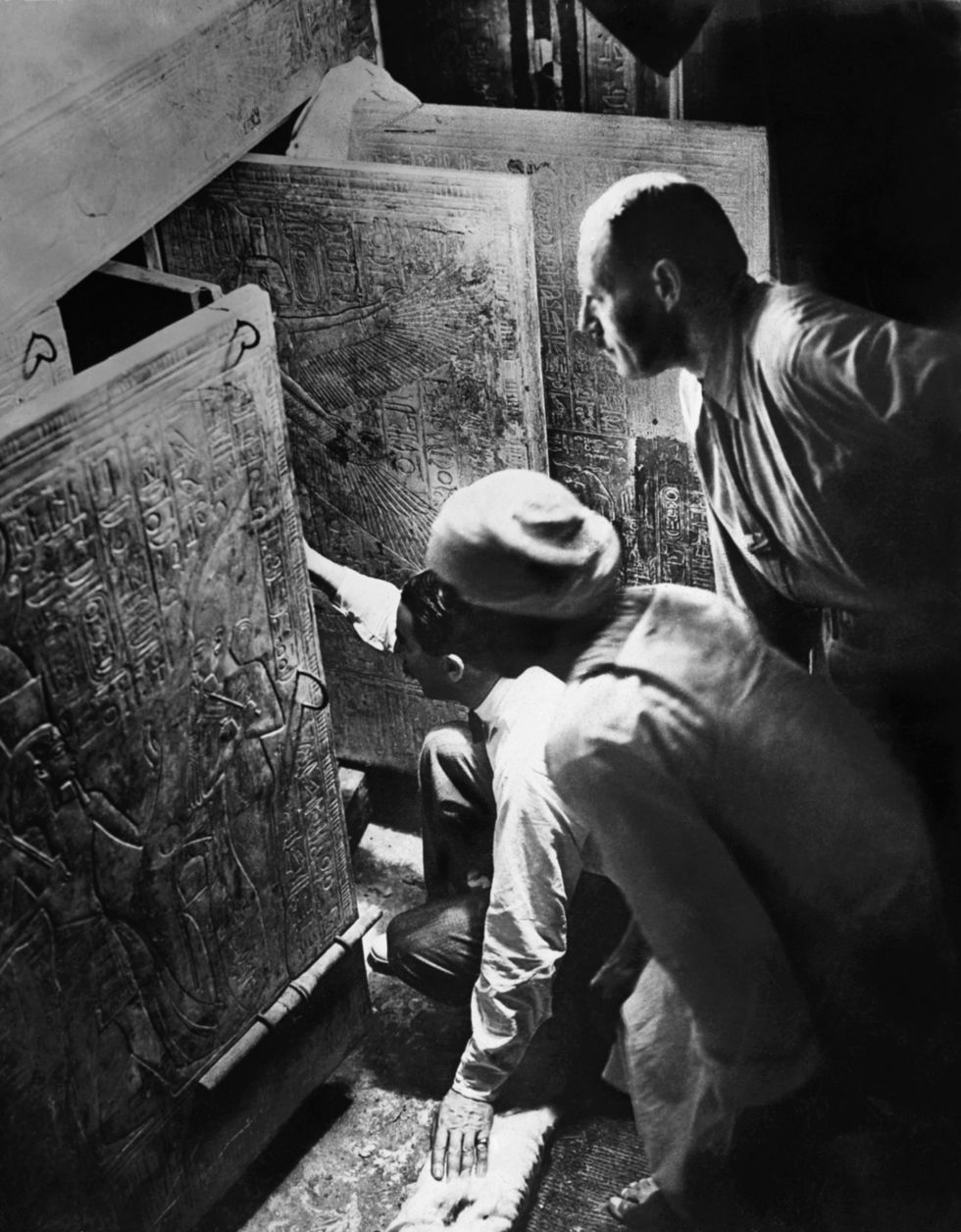
PICTURED: Howard Carter (kneeling) and AR Callender open Tutankhamun's tomb in the Valley of the Kings
|GETTY
The documentary centres on a 1934 letter sent to Carter by Sir Alan Gardiner, a philologist who worked on the excavation team translating hieroglyphs.
Carter had given Gardiner a whm amulet, used for offerings to the dead, insisting it did not originate from the tomb.
Gardiner subsequently showed the piece to Rex Engelbach, who catalogued artefacts at Cairo's Egyptian Museum.
Engelbach's inspection concluded the amulet matched other items from the tomb, all cast from an identical mould.
READ MORE ON TUTANKHAMUN:
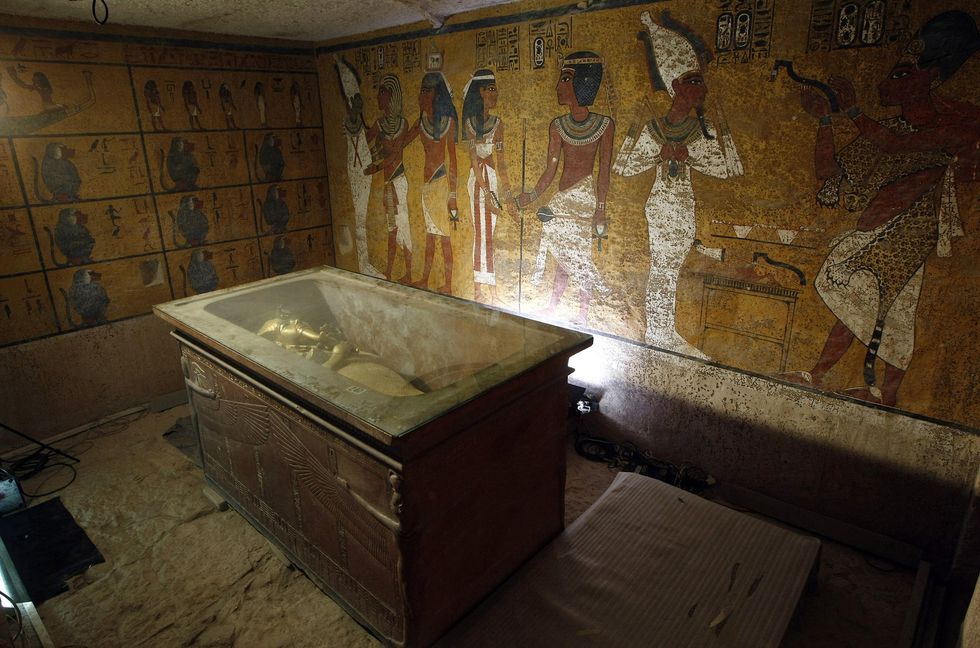
PICTURED: The tomb of Tutankhamun, as it exists today
|GETTY

Tutankhamun's iconic golden mask and thousands more items Carter discovered - but did not steal - are now displayed at the Grand Egyptian Museum in Giza
|GETTY
In his letter to Carter, Gardiner wrote: "The whm amulet you showed me has been undoubtedly stolen from the tomb of Tutankhamun."
Gardiner added: "I naturally did not tell Engelbach that I obtained the amulet from you."
Ms El-Sabbahy, who works for the American Research Centre in Egypt, explained that foreign excavators had previously been allowed to retain roughly half their discoveries, an arrangement which was brought to an end just weeks before Carter's find.
Under the new rules, Egypt's Government would keep all historically significant or valuable items, leaving foreign teams with only lesser or duplicate pieces.
Ms El-Sabbahy told the programme: "I think this was a tough pill to swallow for a very long time and Carter did fight it for a while."
She added: "There was always a concern from officials that something could be taken without their knowledge, and because of that Carter had to tread very carefully."
Ms El-Sabbahy noted the letters represent the first hard evidence that objects were removed from the tomb - apparently by Carter himself.
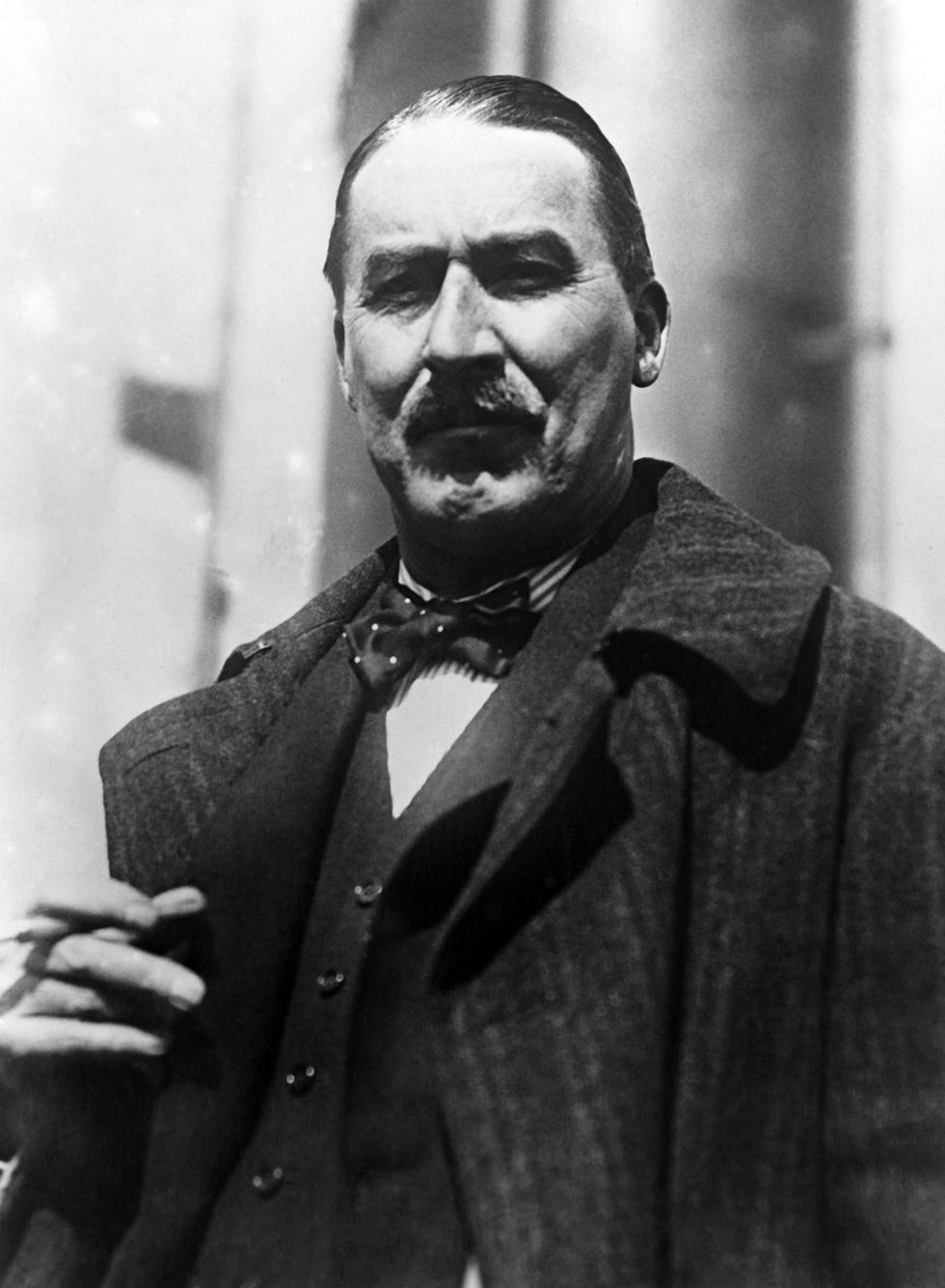
Susan Allen said her great-uncle Howard Carter (pictured) 'never stole anything'
|GETTY
There was "a concerted effort to not tarnish this incredible discovery by revealing unsavoury things about Carter", she said.
Carter has no direct descendants, but his great-niece Susan Allen, who runs an Egyptian-themed gallery in Swaffham, Norfolk, rejected the allegations of theft.
Mrs Allen told the Daily Mail: "He never stole anything."
Carter discovered the tomb while working with Lord Carnarvon, spending a decade overseeing the removal of 4,500 treasures in the heart of the Valley of the Kings.
These items, including Tutankhamun's iconic golden mask, are now displayed at the Grand Egyptian Museum in Giza.