










Archaeologists working in Rome have unearthed a sacred shrine devoted to Hercules.
The discovery was buried beneath thick layers of mud and containing six bronze figurines of the Greek demigod.
It includes at least three statuettes believed to represent the mythological hero renowned for his extraordinary strength.
Among the finds is a particularly striking 4-inch-high bronze depicting Hercules unclothed, gripping a substantial club in one hand whilst clutching a lion skin in the other, the iconic imagery most associated with the ancient figure.
TRENDING
Stories
Videos
Your Say
The shrine dates back to the second century BC, a period when worship of Hercules formed a significant cult throughout the Roman world.
Researchers were still carefully removing dust and debris from the altar when journalists visited the excavation site on Wednesday.
The excavation has also yielded numerous terracotta objects fashioned in the shape of human body parts, including feet, legs, heads and arms.
These items were likely deposited as votive offerings by ancient worshippers seeking divine intervention for ailments affecting those specific limbs and organs.
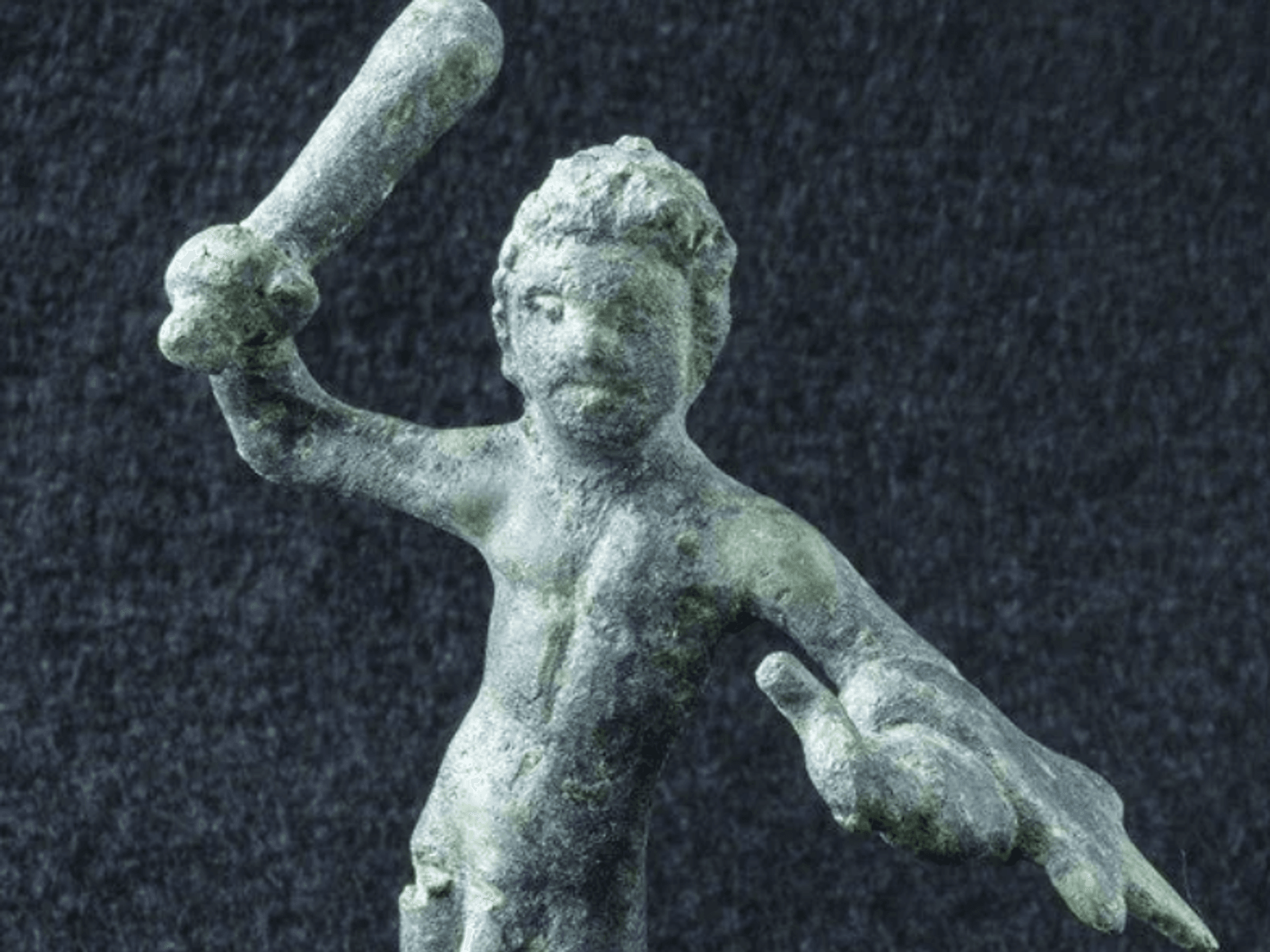
One of the statues discovered
|ITALIAN CULTURE MINISTRY
Alongside the Hercules bronzes, archaeologists recovered female figurines and a pair of miniature ox statuettes from the earth.
Just metres from the shrine itself, the team uncovered a Roman road dating to the fourth century BC.
Flanking this ancient thoroughfare, excavators identified two substantial pools which researchers believe served ceremonial purposes.
Natural springs continue to bubble up from the ground at the location, feeding water across the site and transforming much of the terrain into thick, sticky mud.
LATEST DEVELOPMENTS
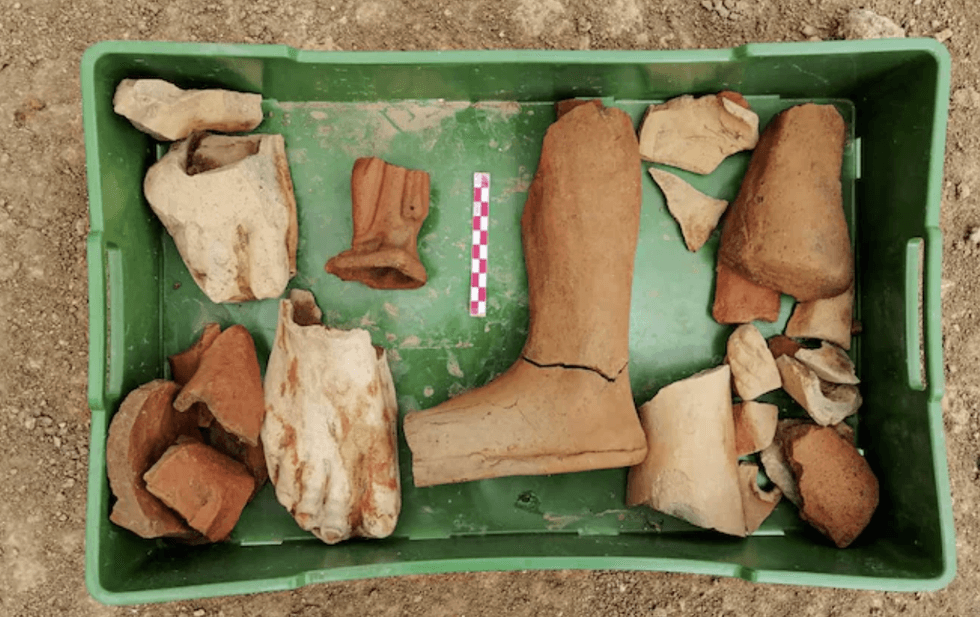
Objects in the shape of body parts were dug up by archaeologists at the site on the outskirts of Rome
|ITALIAN CULTURE MINISTRY
The pools, constructed to gather water from the springs, are thought to have held ritual significance connected to the veneration of Hercules.
"The pools were built to collect water, but we think they also had a ritual purpose linked to the cult of Hercules," said Fabrizio Santi, the dig's chief archaeologist.
He explained that Hercules was a deity closely associated with pastoral life and enjoyed widespread popularity across central Italy.
The site lies near the Via Tiburtina, an ancient route used for driving sheep and other livestock towards the town of Tivoli, known to Romans as Tibur, where a major temple honouring Hercules once stood.
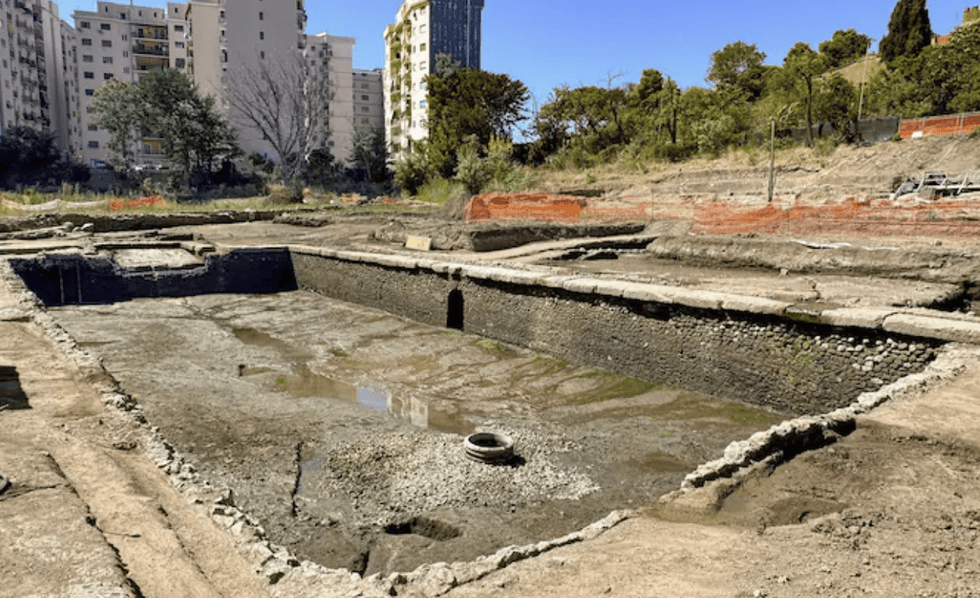
Excavations at the Via Tiburtina site
|ITALIAN CULTURE MINISTRY
Ancient jugs discovered at the bottom of the pools may have been used for wine libations during religious ceremonies.
"All these findings are of exceptional importance," said Prof Santi.
The excavation occupies a 10-acre plot in Via di Pietralata on Rome's eastern periphery, a former park that had fallen into neglect, now surrounded by a busy road and 1970s apartment blocks.
Two impressive tombs carved from volcanic tufa stone overlook the pools, dating from the third century BC during the Roman republican era.
One tomb contains a large sarcophagus, likely holding the remains of a wealthy landowner or aristocrat, along with three stone urns, one containing the cremated remains of a woman who died aged approximately 20.
In the second tomb, excavators discovered a male skull bearing evidence of surgical intervention using a drilling instrument.
Bronze coins from the second and third centuries BC helped establish the site's age.
The dig commenced in 2022 and is now concluding, with the archaeological remains set to be preserved despite planned development of the area.
Our Standards: The GB News Editorial Charter