

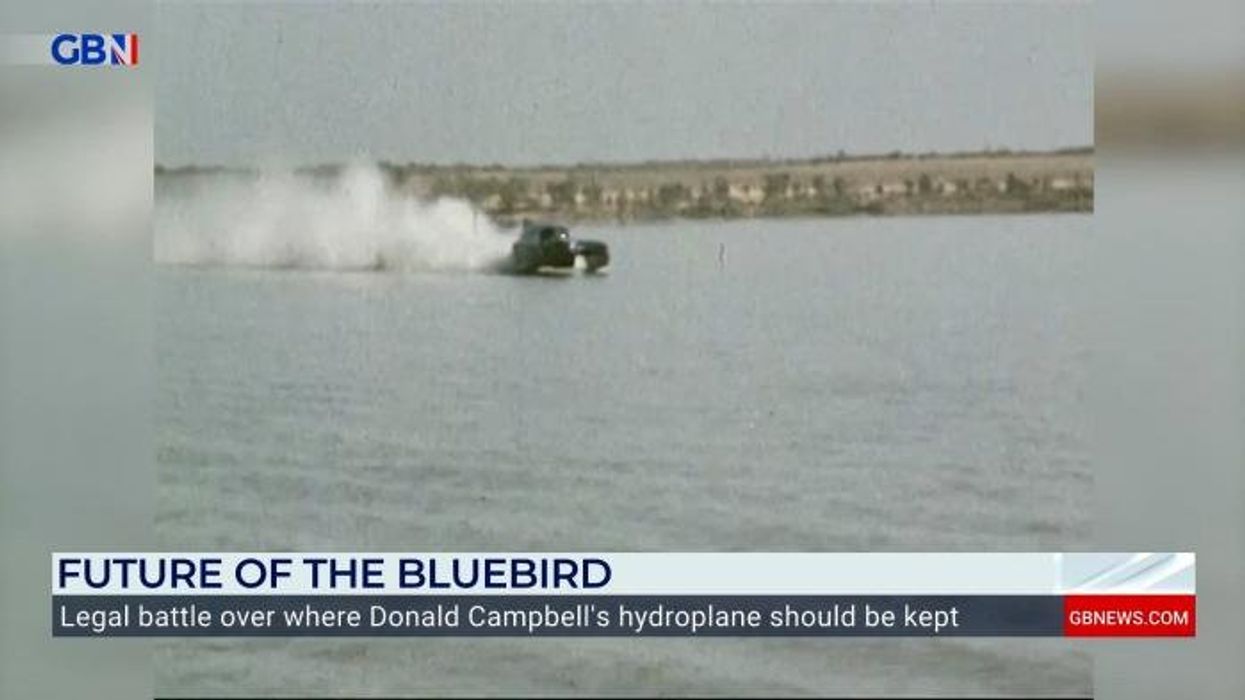




The Bluebird K7 hydroplane partially destroyed during Donald Campbell's fatal world record attempt is set to make a return to the water.
Mr Campbell had become the first person to reach speeds of more than 300mph on water at Coniston Water on January 4, 1967.
However, on its return run, the vessel started to tip upwards before somersaulting 50 feet into the air, plunging downwards into the water, killing the 45-year-old instantly.
Royal Navy divers were unable to find his remains and his family requested the crash site be respected as a grave, before his body and the wreckage of the hydroplane were eventually recovered in 2001.
TRENDING
Stories
Videos
Your Say
In the years that followed the recovery, a lengthy legal battle ensued between engineer Bill Smith, who led the recovery and restoration of Bluebird K7, and Mr Campbell's nephew, Donald Wales.
When the vessel was restored, the family bestowed it to Coniston's Ruskin Museum via a trust, as per the wishes of Mr Campbell's daughter Gina.
However, Mr Smith sought to claim part-ownership of the craft, intending to take it across the world as a working vessel post-restoration.
Mr Smith had also sought to trademark the Bluebird name, but a 2024 Intellectual Property Office ruling found he had acted in "bad faith" following an appeal by Mr Wales. On losing the right to the name, Mr Smith said: "He won the day. Big deal."
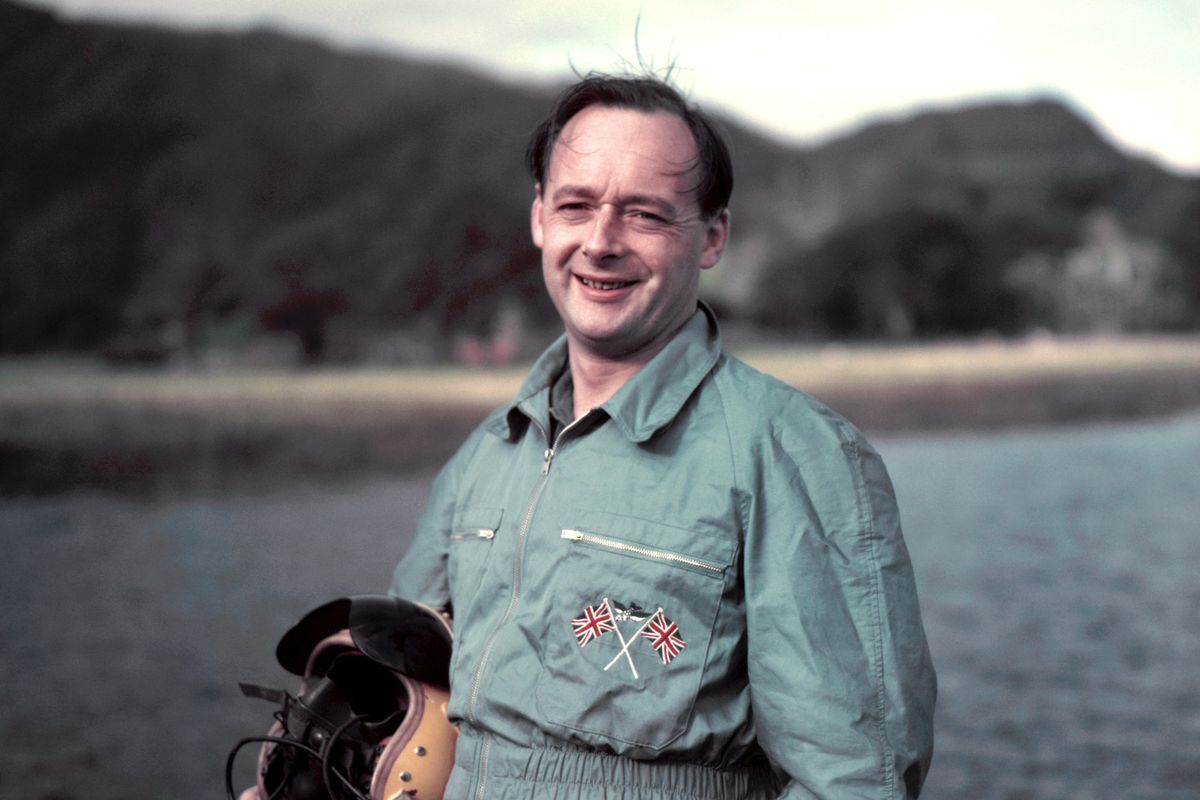
Donald Campbell died instantly in the crash
|PA
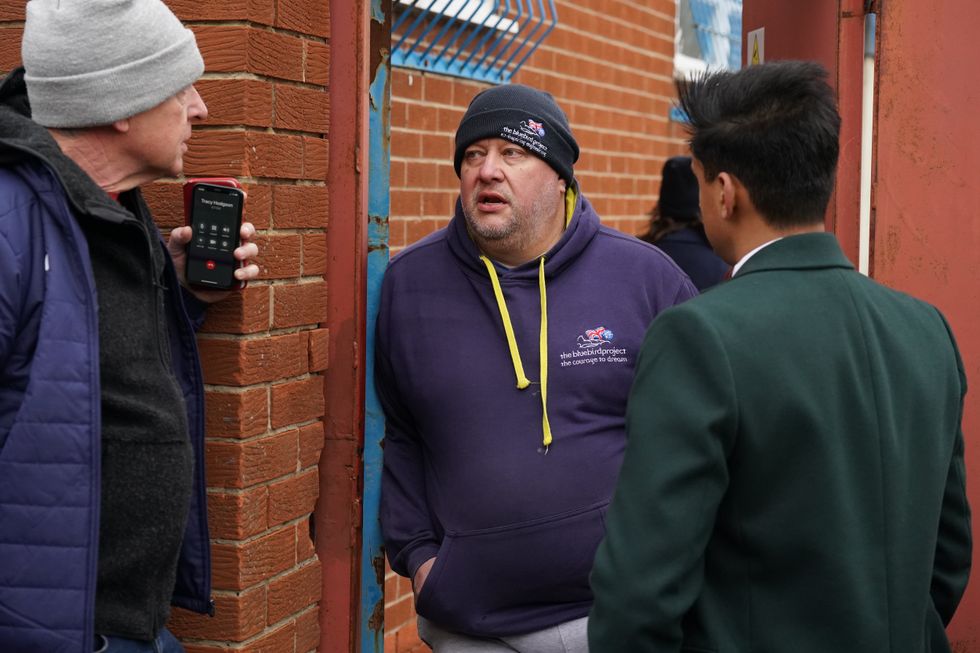
Bill Smith who restored the hydroplane boat, Bluebird K7
|PA
While the vessel has been on display at the Cumbria museum since its recovery, a refurbished Bristol–Siddeley Orpheus 101 jet engine, similar to the one used in 1967, was fitted last year.
Engineers are now working behind the scenes to ensure the craft is ready to finish its final run on Coniston Water.
Director of the Coniston Museum Tracy Hodgson said it will be a perfect final tribute to Mr Campbell,
She told The Times: "People use the word 'legend' and he was. He was a pioneer, breaking records that people had never attempted before. We want to promote his legacy and let future generations know about what he did."
LATEST DEVELOPMENTS
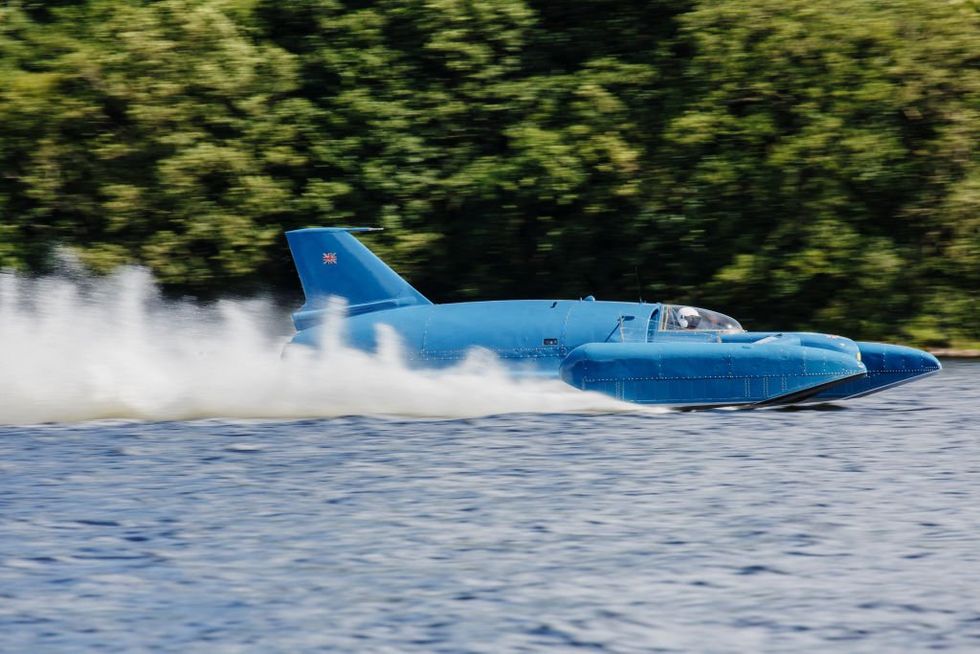
Donald Campbell's iconic Bluebird as it propels on the waters of Loch Fad in 2018
|GETTY
The run will be piloted by Dave Warby, son of water speed world–record holder Ken Warby, who managed to hit 317mph on Blowering Dam in Australia in 1978 in the Spirit of Australia, a record which, to this day, has never been beaten.
However, the vessel will not be attempting to break the record, with Dave Warby set to take Bluebird to 150mph.
This is around the same speed it did in 2018 when it was first re floated on Loch Fad on Scotland's Isle of Bute.
Mr Campbell's daughter Gina said of the run: "My father would be delighted and pleased that the exemption has been approved, and I know that the Ruskin Museum and the people of Coniston will get behind it."
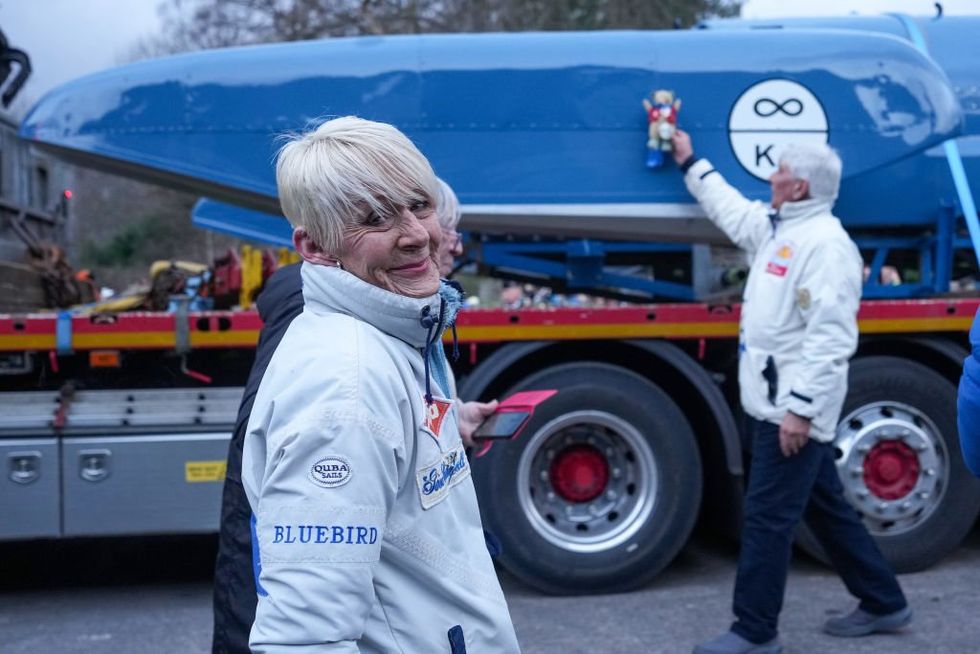
Gina Campbell, the daughter of the late Donald Campbell, welcomed the attempt
|GETTY
Historians have never been able to officially work out why Bluebird crashed that fatal day.
Reporters at the time had put pressure on Mr Campbell and his team to go ahead with the attempt, despite the fact they were plagued by poor weather and constant mechanical faults.
One theory is Bluebird may have been inadequately fuelled, as some reported seeing the engine 'flamed out', causing a sudden destabilisation of the bows.
However, it has never been determined how this may have come about.
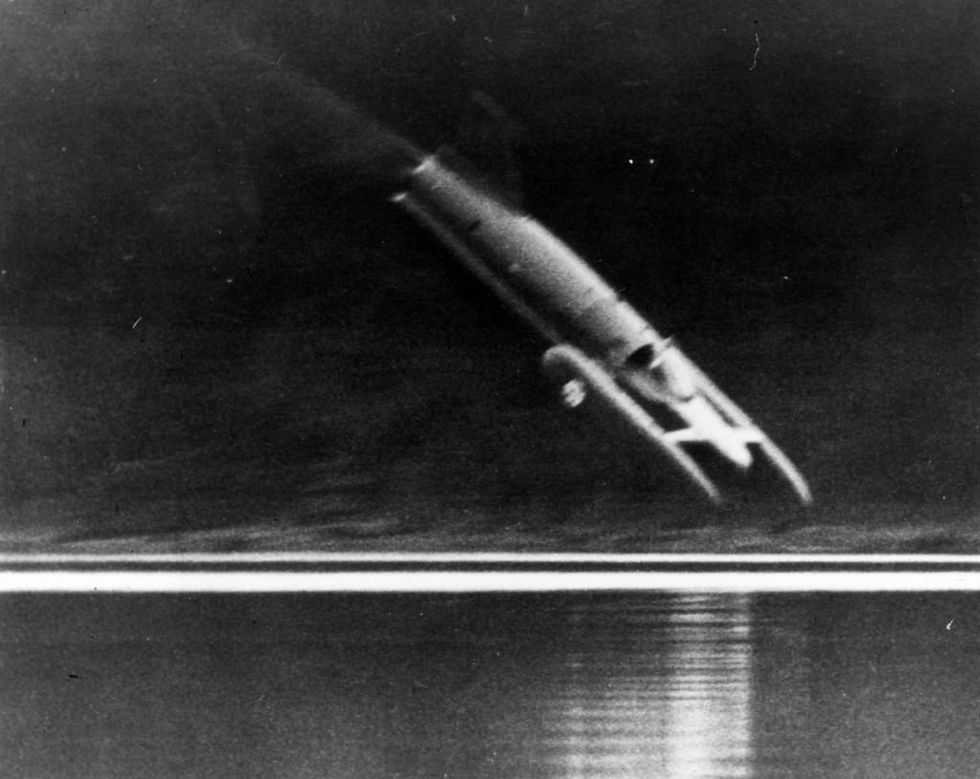
Donald Campbell's speed boat Bluebird about to hit the water in January 1967
|GETTY
Another theory is Mr Campbell may have pushed the craft beyond its aerodynamic limits as he sought to smash his own records.
A 2012 book Donald Campbell, Bluebird and The Final Record Attempt, put forward the suggestion the perfect aerodynamic symmetry of the hydroplane had been damaged after Mr Campbell struck a duck the day before.
Frame-by-frame analysis of footage suggested damage caused by the collision may have been enough to upset Bluebird's stability.
When combined with the flame out, could have led to the fatal uplift.
Our Standards: The GB News Editorial Charter
More From GB News