










For centuries, Manuka has been hailed as a superfood thanks to its unparalleled antibacterial properties. Now, the science is catching up to the hype.
Fresh scientific evidence has emerged demonstrating that Manuka honey may offer genuine relief for those suffering from dry mouth conditions.
Research published in BMC Oral Health found that participants who gargled with a Manuka honey-based oral rinse three times daily experienced notably better outcomes than those using conventional honey.
The study revealed meaningful improvements in salivary production and reductions in oral dryness among the Manuka group.
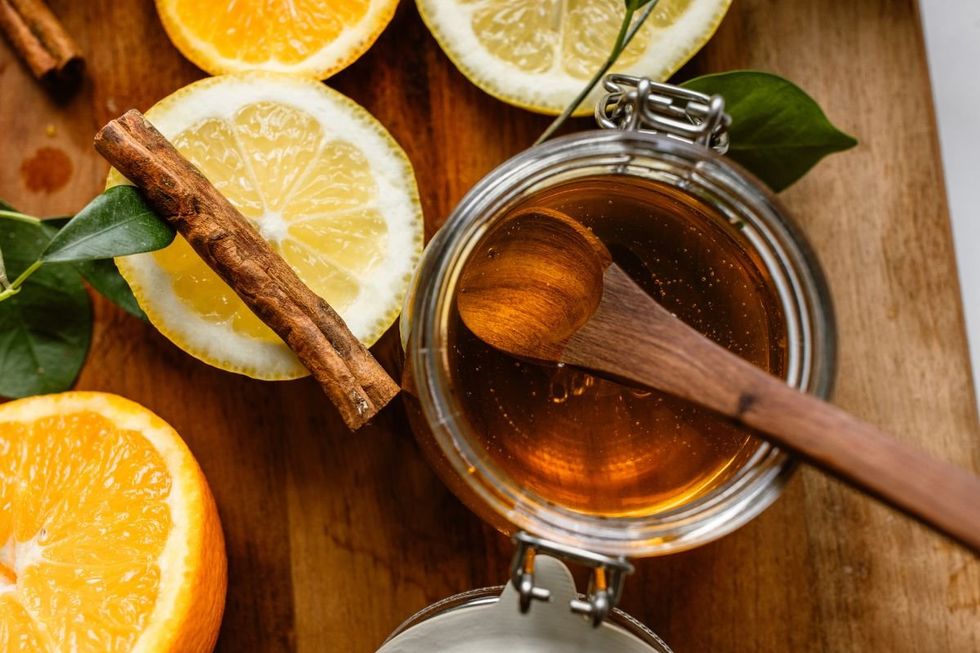
Experts recommend having a teaspoon of Manuka honey about half an hour before eating, daily
|GETTY
Perhaps most significantly, those using the New Zealand-sourced honey reported the greatest gains in both overall oral health and quality of life measures.
The findings add weight to growing interest in this distinctive honey's therapeutic applications.
Liliana Trukawka, a nutritional therapist for Melora, offered insight into what sets this honey apart from ordinary varieties.
"Manuka Honey shows it is superior to other honeys in clinical studies, due to the significantly higher levels of MGO (methylglyoxal), which gives Manuka the stronger and more consistent antibacterial potency," she told GB News.
When it comes to proven health perks, wound healing takes the crown. The honey actually helps wounds close faster while keeping bacterial infections at bay.
"Manuka enhances wound closure and reduces bacterial infections, which is why Manuka is used in clinical dressings within our NHS," she explained, offering practical guidance on quantities and strength.
"Ideally, a teaspoon 30 mins before food, twice a day," she advised.
How to pick the correct Manuka honey?
Liliana stressed the importance of selecting the appropriate MGO grade for one's circumstances.
LATEST DEVELOPMENTS
"It is important to ensure the grade is correct, for every day if you are not ill, then a lower grade, such as 100MGO, will suffice.
"If you have a sore throat coming or people around you are unwell, then grade to a 300 or 525 MGO, the higher the grade, the stronger the antibacterial activity."
Beyond dry mouth relief, the honey has demonstrated benefits for reducing dental plaque and oral bacteria, while providing soothing effects for sore throats and easing cough severity.
Research presented in JMIR Publications has indicated that Manuka honey could potentially assist in managing functional dyspepsia, a prevalent digestive complaint characterised by bloating, nausea and general discomfort.
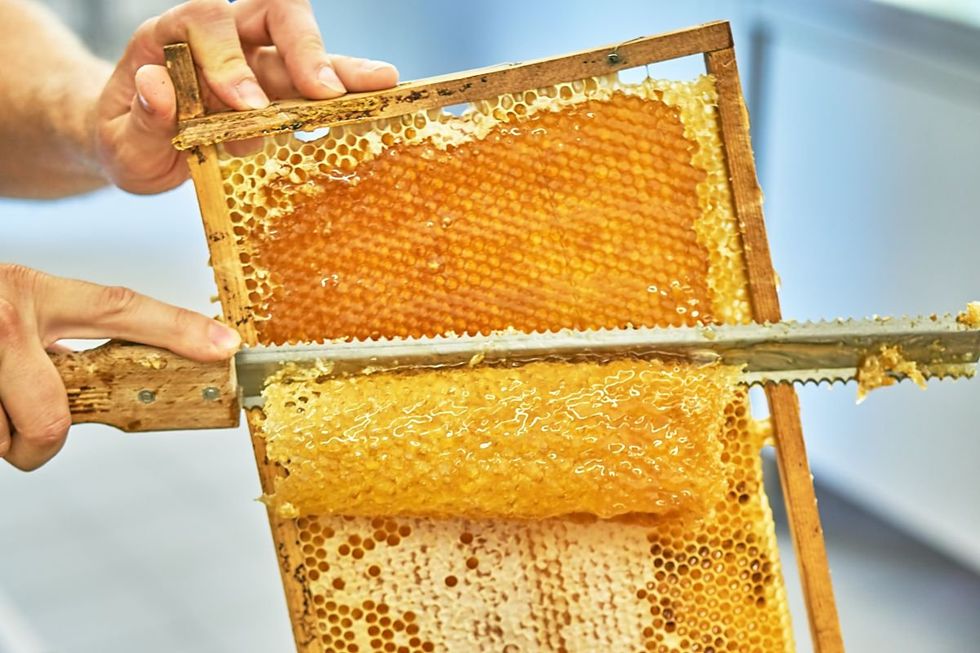
Manuka enhances wound closure and reduces bacterial infections
|GETTY
This condition significantly affects sufferers' daily lives yet remains challenging to address due to its unclear origins.
However, consumers should temper their expectations regarding certain claims, as far as anti-ageing promises are concerned. The jury's still out on whether they genuinely work in real human bodies.
Research published in Current Issues in Molecular Biology in 2024 examined the honey's antioxidant activity, though the true impact on human ageing processes remains unverified despite considerable marketing enthusiasm surrounding the product.
Our Standards: The GB News Editorial Charter