









The fate of Haithabu has remained one of archaeology's most tantalising puzzles for almost 900 years, but archaeologists believe they have just uncovered the mystery.
The sprawling Viking settlement, once five times the area of Jorvik, the Vikings' Northern English capital now known as York, simply disappeared from history during the 1060s.
The infamous port, said to liken modern day Singapore, was located in northern Germany and was a major hub for the Viking civilisation.
Now, researchers examining more than 800,000 artefacts at Schloss Gottorf palace have finally unravelled what happened to the port's inhabitants.
The answer proves rather less dramatic than catastrophe theories might suggest. Haithabu's residents did not simply perish.
TRENDING
Stories
Videos
Your Say
Instead, they relocated approximately two miles across the water to establish Schleswig, transforming their chaotic warren of longhouses into a properly organised medieval settlement.
The discovery forms the centrepiece of a new exhibition exploring the broader decline of Viking civilisation, revealing how this remarkable trading hub evolved rather than simply died.
Situated on a Baltic inlet at the Jutland peninsula's eastern edge, Haithabu sprawled across roughly 63 acres at its peak.
Archaeological surveys have uncovered approximately 300 longhouses and several hundred workshops within its semi-circular walls.
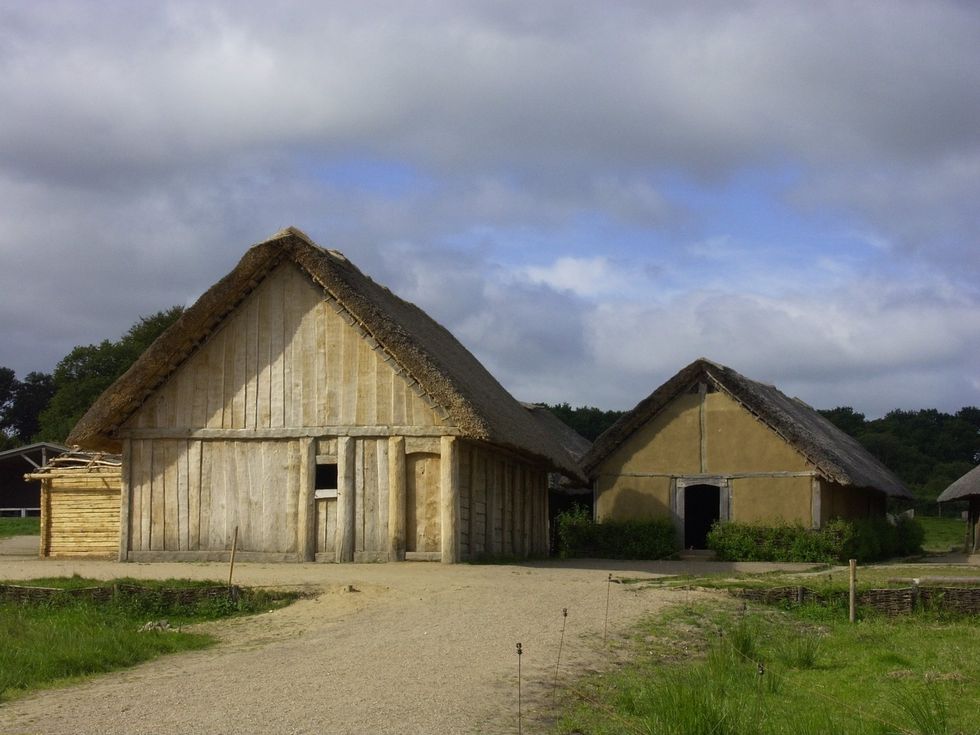
The fate of Haithabu has remained one of archaeology's most tantalising puzzles for almost 900 years
|GETTY
An estimated 10,000 to 12,000 graves suggest the population reached perhaps 3,000 during summer months, though winter saw numbers dwindle to mere hundreds.
The settlement's merchants traded in Chinese silk, mercury from Samarkand stored in clay amphorae, and walrus ivory sourced from Greenland and Iceland.
"It was like a spider sitting in the middle of a web of trade," said Matthias Toplak, director of the Haithabu Viking Museum.
"Practically everything that happened in northern Europe at this time would have passed through Haithabu."
LATEST DEVELOPMENTS
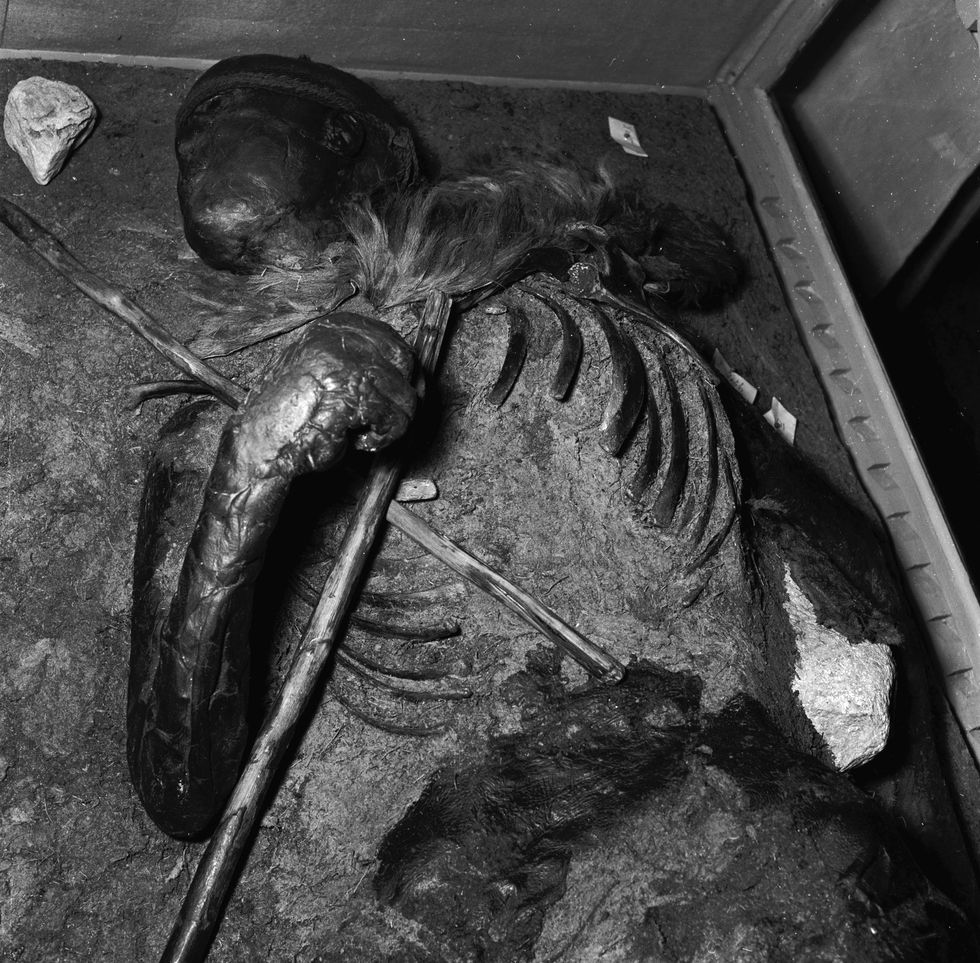
Hundreds of bodies have been discovered on the site, which is said to have populated up to 3,000 Vikings during summer months
|GETTY
The settlement thrived until 1050, when Norwegian king Harald Hardrada burned it to the ground during his failed attempt to claim the Danish throne.
Sixteen years later, West Slavic forces attacked and plundered what remained of the once-great trading centre, The Times reports.
This second devastation proved decisive for Haithabu's weary inhabitants. They abandoned their ancestral home for the more easily defended position at Schleswig.
The site's remarkable preservation, owing to its high water table, has allowed archaeologists to examine organic materials typically lost to decay.
Leather goods, textiles and wooden structures have survived the near-millennium largely intact.
Among the discoveries was a 30-metre longship, believed to have served as the Danish king's flagship, along with the broken head of an English bishop's crozier, likely seized during raids.
The transition from Haithabu to Schleswig reflected broader transformations sweeping through Viking society as the era drew to its close.
"At Schleswig, you have the royal court in the centre, the palace, the church and the monastery," Mr Toplak explained. "This means that political power was centralised here. And that, of course, made it much easier for economic power to flourish."
The museum director emphasised the direct lineage between the two settlements. "We have a very clear continuity," he said. "The people who founded Schleswig were those who came from Haithabu."
Rather than representing Viking decline, the move demonstrated adaptation.
The disorganised clusters of dwellings gave way to a recognisably medieval urban structure, with royal authority, religious institutions and commercial activity concentrated in a single defensible location.
Our Standards: The GB News Editorial Charter