










Archaeologists have unearthed the remains of a hippopotamus that lived in Britain approximately 120,000 years ago within a Welsh cave system.
The discovery was made at Wogan Cavern, a vast underground chamber located beneath Pembroke Castle, that visitors reach via a spiral staircase.
The University of Aberdeen has now secured funding from the Calleva Foundation to conduct an extensive five-year investigation of the site.
Researchers believe the cavern contains exceptional evidence of both ancient human presence and significant animal fossils.
The project will bring together experts from institutions across Britain and Europe to examine what scientists describe as one of the nation's most significant prehistoric archives.
Dr Rob Dinnis, who led the preliminary excavations and will head the new project, said: "Despite the limited work done so far, we can already say that the cavern is a truly remarkable site.
"There is no other site like it in Britain."
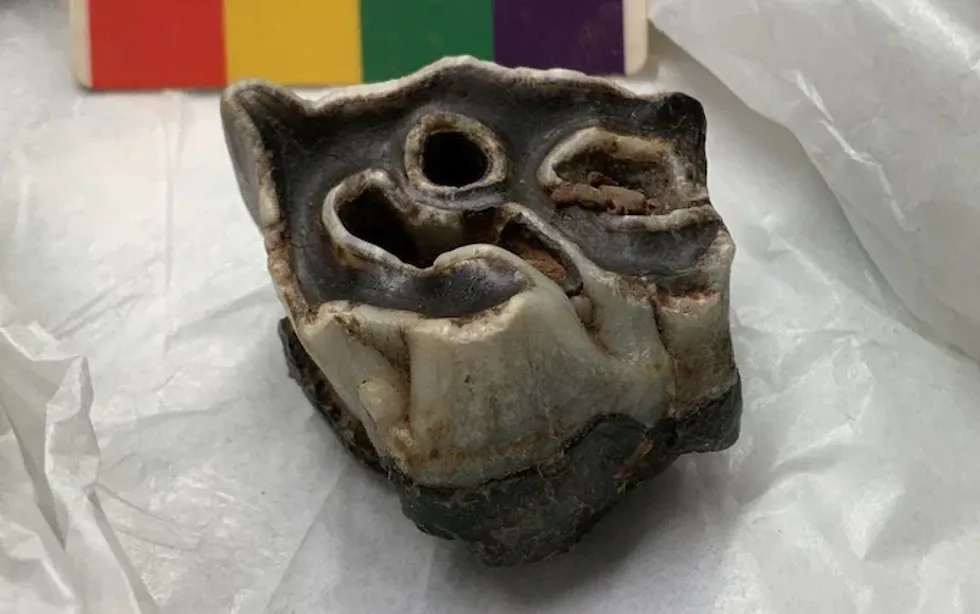
The unearthed hippo bones date back some 120,000 years
|PA
He explained the cave could document an extensive timeline of human presence, stretching from hunter-gatherers who inhabited the area roughly 11,500 years ago following the last Ice Age, through to Britain's earliest Homo sapiens between 45,000 and 35,000 years ago.
Dr Dinnis said there are also indications of even older occupation, likely by Neanderthals, alongside the hippo bones dating to the last interglacial period.
The enormous cavern had long been assumed to hold little archaeological value, with Victorian-era excavators believed to have removed all significant artefacts and remains.
However, limited digs conducted between 2021 and 2024 overturned this assumption entirely.
LATEST DEVELOPMENTS
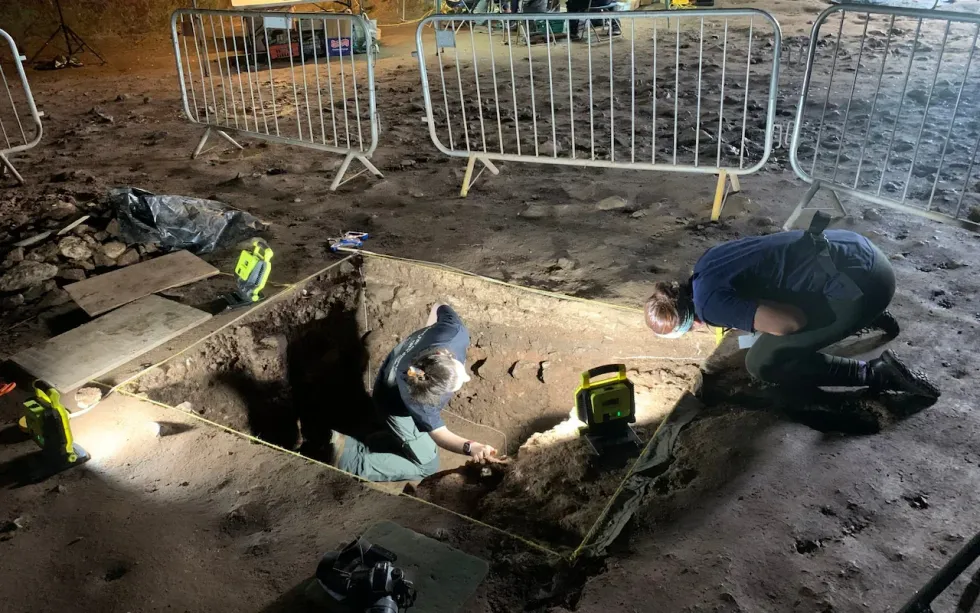
Researchers unearthed the bones in Wogan Cavern beneath Pembroke Castle
|PA
These preliminary investigations revealed that substantial portions of the cave's sediment layers remained undisturbed, containing evidence of human and animal activity stretching back more than 100,000 years.
This unexpected finding has transformed understanding of the site's potential.
Researchers now consider Wogan Cavern to be rapidly establishing itself as among the most crucial prehistoric repositories anywhere in Britain.
Professor Kate Britton, a specialist in science-based archaeology from Aberdeen, said: "Wogan Cavern provides a unique chance to use all the scientific techniques now available to archaeologists."

Hippos are among the strongest and deadliest animals on earth
| GETTYShe noted the excellent preservation of bones enables detailed analysis of ancient environments and ecosystems, as well as precise scientific dating methods.
Preliminary research has demonstrated ancient DNA survives within both the skeletal remains and the cave's sediment deposits.
The expanded excavations are expected to yield valuable insights into historical climate shifts, species that no longer exist, and the various periods when humans made the cavern their dwelling place.
Our Standards: The GB News Editorial Charter