










King Charles’s flagship attempt to revive the Scottish Highlands through tourism is beginning to backfire, with residents warning that the hugely popular North Coast 500 has pushed fragile communities beyond breaking point.
The 516-mile driving route, launched in 2015 through the King’s North Highland Initiative, was designed to funnel tourist spending into some of Scotland’s most economically deprived areas.
A decade on, growing concern over congestion, environmental damage and anti-social behaviour has prompted a major review into whether the project is doing more harm than good.
The North Coast 500, which begins and ends in Inverness, was originally conceived as Britain’s answer to America’s Route 66. Celebrated at launch by Now Travel magazine as one of the world’s finest coastal journeys, it winds through landmarks such as the Bealach na Bà mountain pass, Caithness’s remote coastline and the Kylesku bridge.
The route has delivered undeniable financial gains. Research by the Moffat Centre for Tourism at Glasgow Caledonian University estimated it continues to inject around £20 million a year into the Highland economy. In its first year alone, visitor numbers rose by 29,000, contributing £22million.
Yet its success has brought serious consequences. CNN has branded the NC500 the “Instagram highway”, as social media-driven tourism has overwhelmed local infrastructure.
A 2023 report recorded 8,657 incidents of people relieving themselves outdoors along the route, as well as 125 cases of campervan chemical toilet waste being dumped illegally. Police have also increased patrols following dangerous driving incidents, including one motorcyclist clocked at 142mph.
Tensions have escalated in some areas, with campervans targeted in attacks, including tyre slashing. International travel guide Fodor’s added the NC500 to its 2024 “no travel zone” list alongside destinations such as Bali.
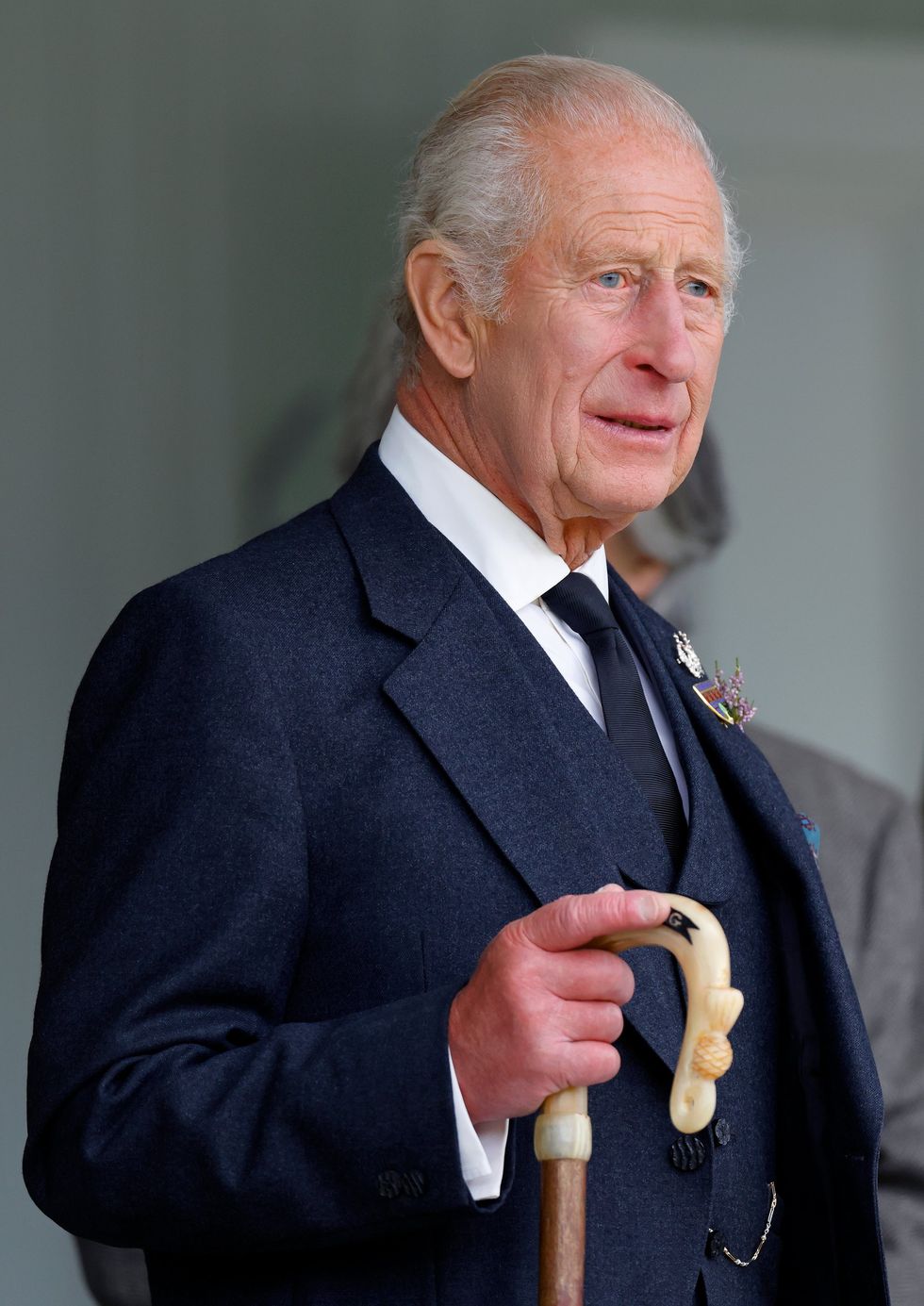
King Charles tourism scheme backfires as locals erupt: 'It just doesn't work!'
|GETTY
Local business owner Lynn Redfern, who runs a caravan site in Dornoch, said the route had become unmanageable despite her general support for tourism.
“It just doesn’t work for the amount of actual shops, the amount of parking and the number of small roads,” she told the Telegraph.
Ms Redfern warned congestion was creating genuine safety risks. She explained: “There’s talk of emergency services not being able to get through and people on their way to their job getting stuck behind a convoy of 15 vehicles.”
She also questioned the economic value of many visitors, particularly motorhome users: “I think that’s one of the main things people are annoyed about.
LATEST ROYAL DEVELOPMENTS
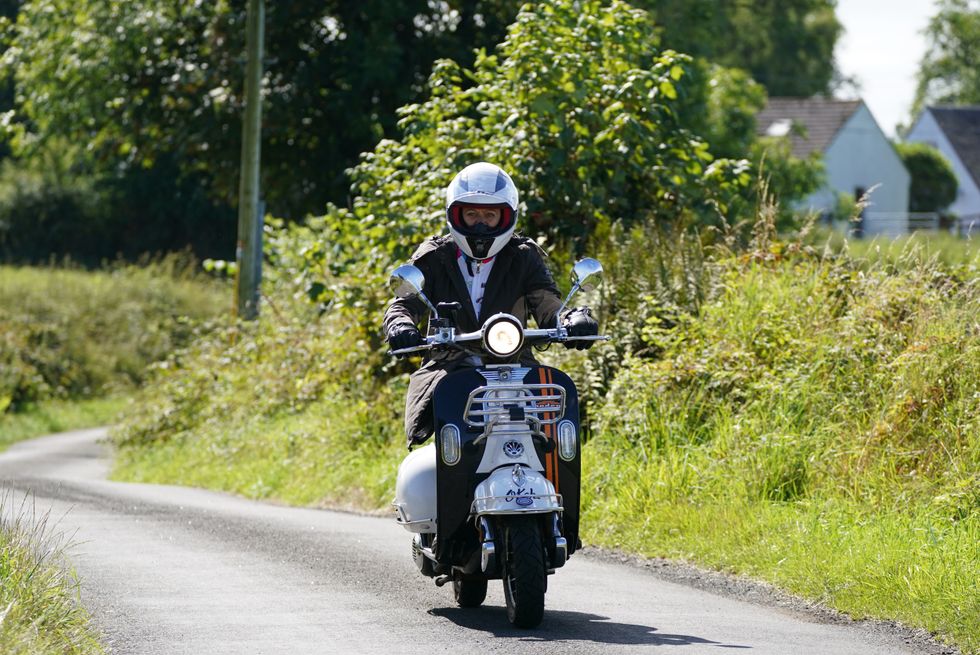
Someone doing the North Coast 500 challenge in 2022
|PA
“They don’t seem to spend a penny. It’s like I’ve paid for my van. I now don’t have to pay anything more. I can park where I want. I make my own dinner in my van. They’re not contributing.”
In response to mounting criticism, NC500 Ltd has commissioned a comprehensive 10-year study into the route’s long-term impact. The organisation promotes the route with backing from King Charles and has appointed Edinburgh-based consultancy BiGGAR Economics to gather evidence from residents, businesses and local authorities.
Ownership of NC500 Ltd changed in 2017 when Danish fashion billionaire Anders Povlsen acquired a majority stake, leaving the King’s North Highland Initiative with a minority holding.
Mr Povlsen, Scotland’s largest private landowner, is pressing ahead with plans for a luxury retreat beside Loch Hope in Sutherland, with rooms priced at £1,100 per night. The development sits directly on the NC500 route.
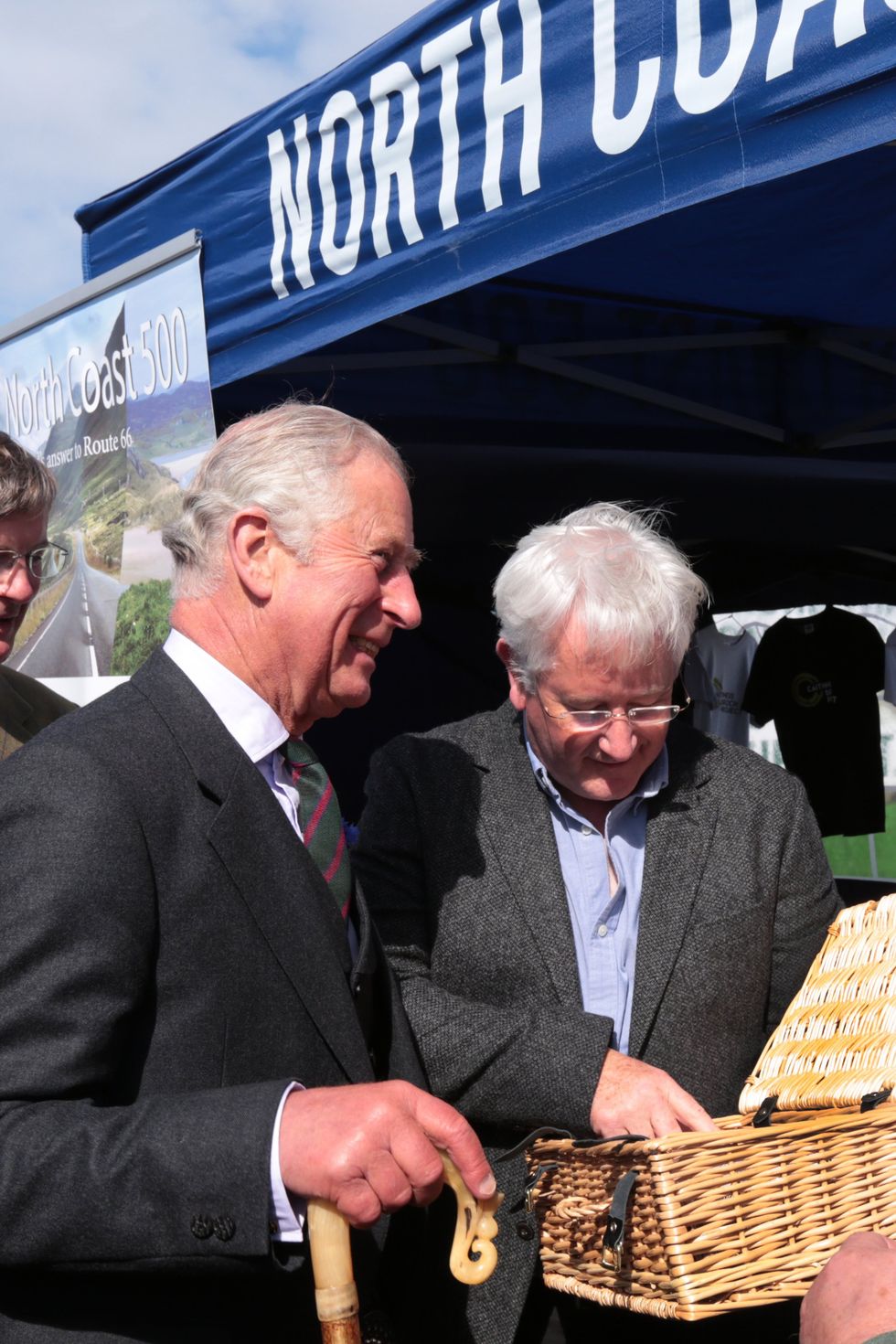
King Charles receiving a gift from Tom Campbell on the North Coast 500 in 2017
|PA
Beyond congestion, critics argue that the nature of Highland tourism itself is being reshaped. Katherine Hay, a farmer’s daughter from Aberdeenshire who spent six months walking the region in 2024, said visitor habits have shifted dramatically.
“Birdwatchers or fishermen used to come for a week, whereas now it’s like, one night,” Ms Hay said.
That change has had knock-on effects for traditional jobs. Ghillies who once guided anglers are increasingly replaced by workers maintaining camping pods or council staff disinfecting lay-bys.
Caithness resident Ken McLeroy, who helped build the 120-mile walking route from Inverness to John O’Groats, believes redirecting visitors away from cars could help restore balance.
“The amount of times you just chance upon a deer springing away from you and you’re far more likely to spot an orca or dolphins or otters or any kind of wildlife,” he said.