









The European Union has come under fire amid fears the uptake of electric vehicles will be hammered over the coming years after it changed the deadline to ban the sale of new petrol and diesel vehicles.
The 2035 petrol and diesel ban deadline has been axed by the European Union in favour of a phased approach to protect manufacturers.
Automakers will now need to adhere to a 90 per cent tailpipe emissions reduction target from 2035 onwards, with the remaining 10 per cent of emissions coming from low-carbon steel and e-fuels.
Commission President Ursula von der Leyen said the changes were designed to protect European manufacturers from increased competition from China, as well as waning EV interest.
However, the move has been questioned by experts who warned that the decision to delay crucial net zero targets could actually harm electric vehicle sales.
Analysis of the new proposals by Transport & Environment states that the share of battery electric vehicles across Europe could fall from 100 per cent to 85 per cent by 2035.
There are additional fears that electric vehicle sales could fall between 50 per cent and 95 per cent, depending on the powertrain strategy.
The new 2035 deadline could also bring massive environmental concerns, with projections that cars would emit an additional 720 million tonnes of CO2 between 2025 and 2050.
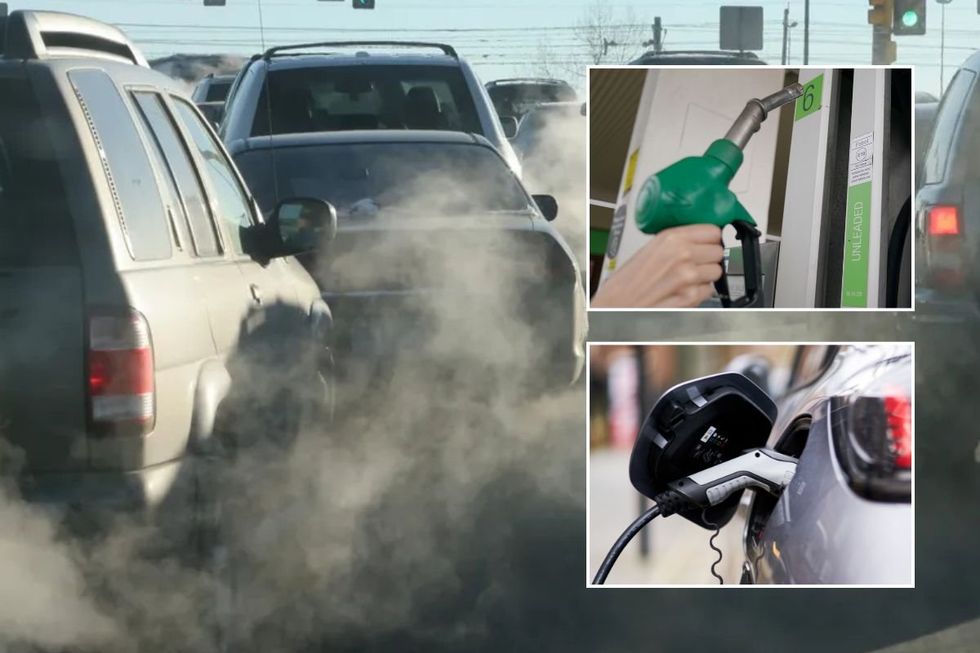
Experts are warning that sales of electric vehicles could plummet after the EU's U-turn on the petrol and diesel car ban
|GETTY/PA
This is 10 per cent more than under the current regulatory scenario, as highlighted by analysis from Transport & Environment.
Under the new EU rules, carmakers will need to adhere to keep fleet emissions to below 11g of CO2 per kilometre in 2035.
This will allow brands to sell any type of powertrain, including petrol, diesel, hybrids, plug-in hybrids and electric vehicles with fuel-based range extenders.
T&E states that this will allow manufacturers to have sales of non-EVs after 2035 be anywhere between five and 50 per cent.
LATEST DEVELOPMENTS
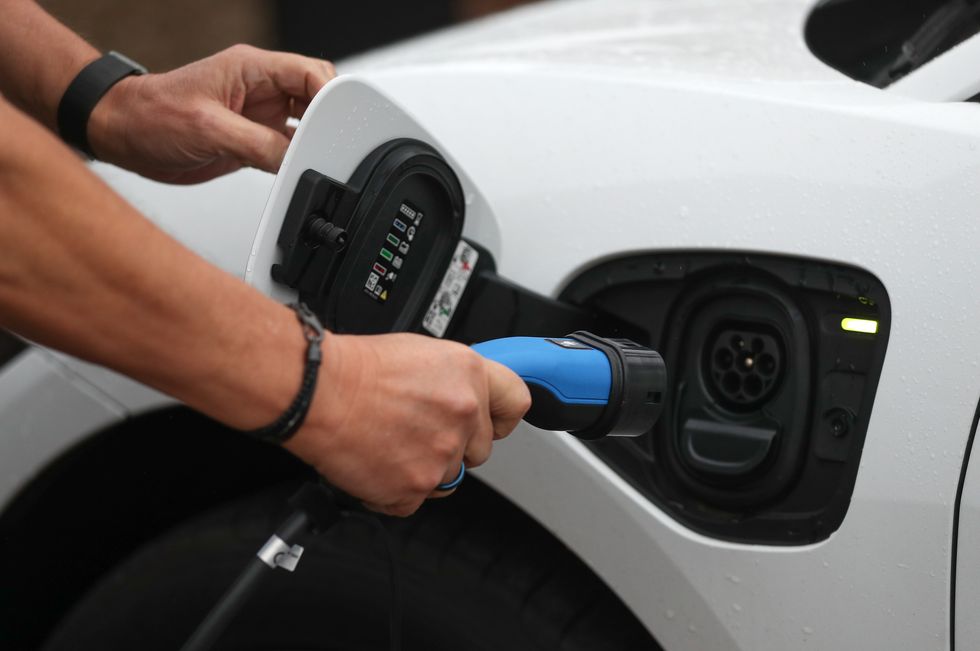
T&E estimates that the market share of electric vehicles could fall to 85 per cent by 2035
| PAAhead of the 2035 deadline, carmakers will be able to benefit from "super credits" if they produce small electric cars made in the EU that are affordable.
Despite this added flexibility, T&E warned that fuel credits could jeopardise the electric vehicle transition by up to three per cent once alternative fuels are placed on the European market.
It stated: "Allowing advanced biofuels in new cars would increase the EU's reliance on unsustainable and imported biomass, which is prone to fraudulent practices.
"Combined with weak sustainability safeguards, this would lead to deforestation, biodiversity loss, soil degradation, and indirect emissions, including from unsustainable forestry inputs such as stemwood."
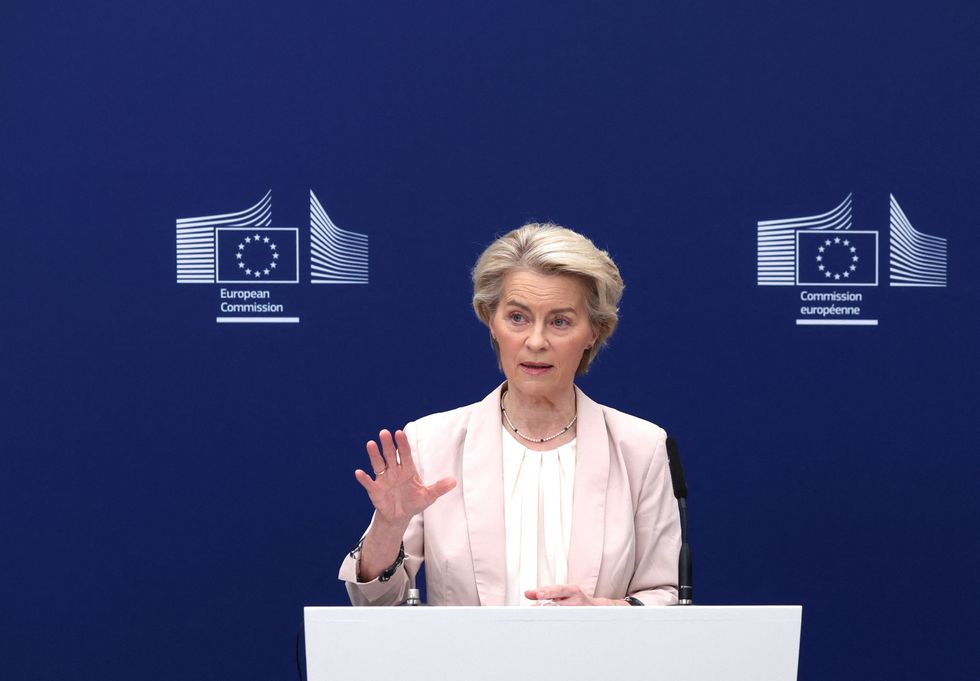
President of the European Commission Ursula von der Leyen said the changes were being made to support manufacturers across the continent
| REUTERSThe organisation has now called on the European Union to remove the fuel credit mechanism and reject any measures that reward biofuels under the car CO2 law.
Similarly, it calls for a limit on small EU electric vehicle credits to be capped, so it only applies to vehicles under 4.1 metres in length.
To help drivers who are considering an electric vehicle, T&E states that car labelling should include "real-world information" for both electric and combustion engine vehicles.
This would include laboratory test values, including range, as well as the differentiation based on the vehicle's carbon footprint.