





Labour is weighing up proposals that could make working during extreme heat illegal, as ministers examine new climate adaptation measures linked to Britain's net zero ambitions.
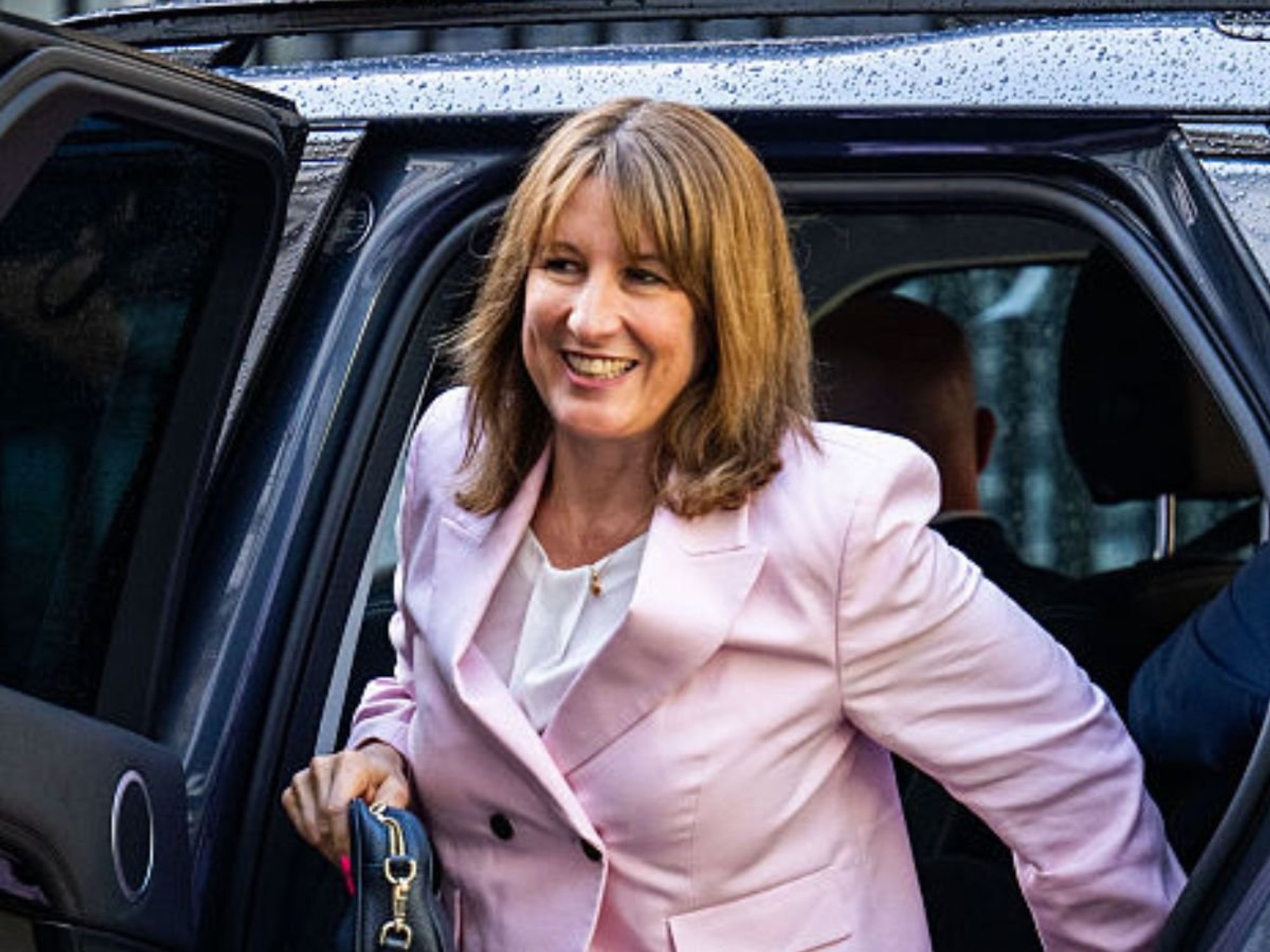
Environment Secretary Emma Reynolds has indicated she will give serious thought to recommendations from the Climate Change Committee calling for legally binding maximum workplace temperatures.
Such regulations would compel employers to allow staff to stop working when heatwaves strike.
"We are acting to protect people and places from the impacts of climate change that are already being felt across the UK from flooding to extreme heat and drought," Ms Reynolds stated.
"Robust, independent science is essential and we will carefully consider the climate change committee's latest recommendations to drive further action."
The CCC's latest report paints a stark picture of Britain's climatic future, projecting that summers will grow substantially hotter with temperatures in southern England potentially topping 40C on a regular basis by mid-century, and possibly reaching 45C in extreme cases.
Heatwaves are forecast to occur more frequently and persist longer, creating more dangers for public health, farming and critical infrastructure.
The committee has urged ministers to introduce upper temperature thresholds for workplaces, arguing this would tackle growing risks to employee safety while encouraging businesses to invest in cooling systems.
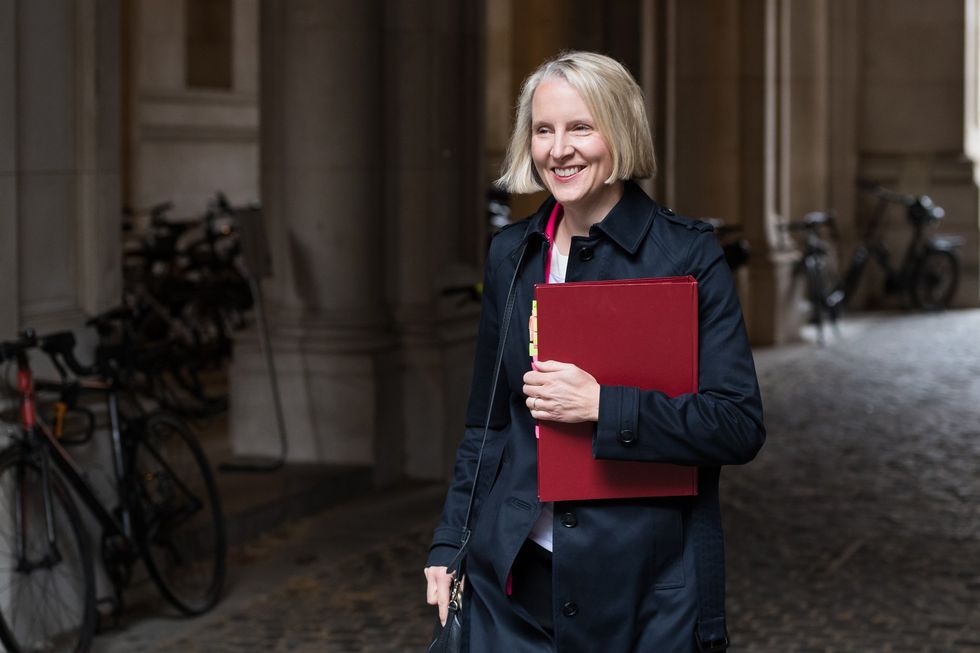
Emma Reynolds has said she will 'carefully consider' proposals including a maximum working temperature
Spain already operates such a framework, capping indoor temperatures at 27C for desk-based roles and 25C for lighter physical tasks, with workers able to report non-compliant employers to inspectors or trade unions.
The Health and Safety Executive is currently revising workplace condition guidelines that date back to 1992, though the regulator is not expected to impose a specific legal ceiling on temperatures.
Existing rules establish minimum thresholds of 16C for sedentary work and 13C for physically demanding roles, but no equivalent upper boundary exists in current legislation.
Trade unions have held discussions with HSE officials pushing for amended guidance that would incorporate a maximum temperature cut-off point.
LATEST DEVELOPMENTS
- Moment Rachel Reeves is interrupted by heckler shouting Labour is ‘running country into the ground’ - before she snaps back
- Labour councillor calls to 'approve green belt planning applications in areas that do not vote for them'
- Suspended Labour MP Karl Turner challenges Keir Starmer over 'hostile' mental health smears from No10 officials: 'You allowed it to happen!'
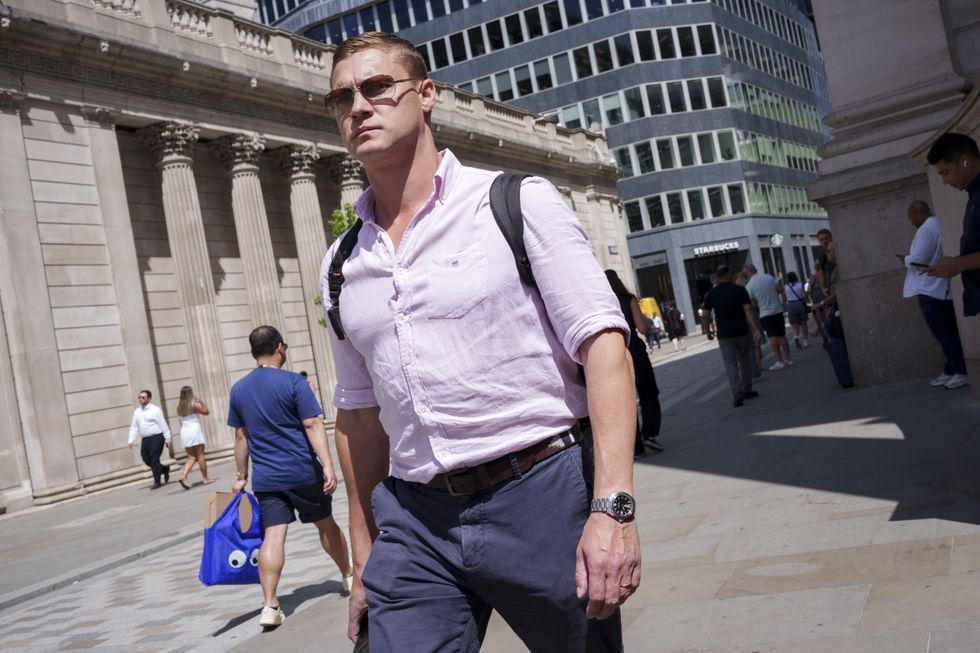
Heatwaves are forecast to occur more frequently and persist longer, creating more dangers for public health
|GETTY
The present framework remains non-binding, leaving workers without enforceable protections when temperatures soar.
The CCC report emphasised that while businesses bear primary responsibility for adapting their premises, they must guarantee safe conditions for all employees, including those labouring outdoors.
Unite, among Labour's most significant union supporters, welcomed the CCC's findings but argued the proposed temperature cap should extend further.
Rob Miguel, the union's national health and safety officer, insisted outdoor workers must be covered and noted that employees wearing protective equipment would require even cooler environments.
The GMB has long advocated for a 25C maximum heat threshold.
Senior organiser Lib Whitfield said: "Sweltering heat is loads of fun if you're swanning around by the pool but if you've got a job to do it can be downright dangerous."
Unison's assistant general secretary Jon Richards described workplace temperature limits as "essential", adding: "Being too hot at work puts people's health at risk and leads to poorer performance and lower productivity."
Hilary McGrady, the director-general of the National Trust, said: “Climate change is putting our heritage under enormous strain, from fires in the countryside and farmers struggling with drought, to flooding of historic buildings.
“What’s at stake is even greater than the sum of its parts – it’s our shared inheritance.”
Our Standards: The GB News Editorial Charter