




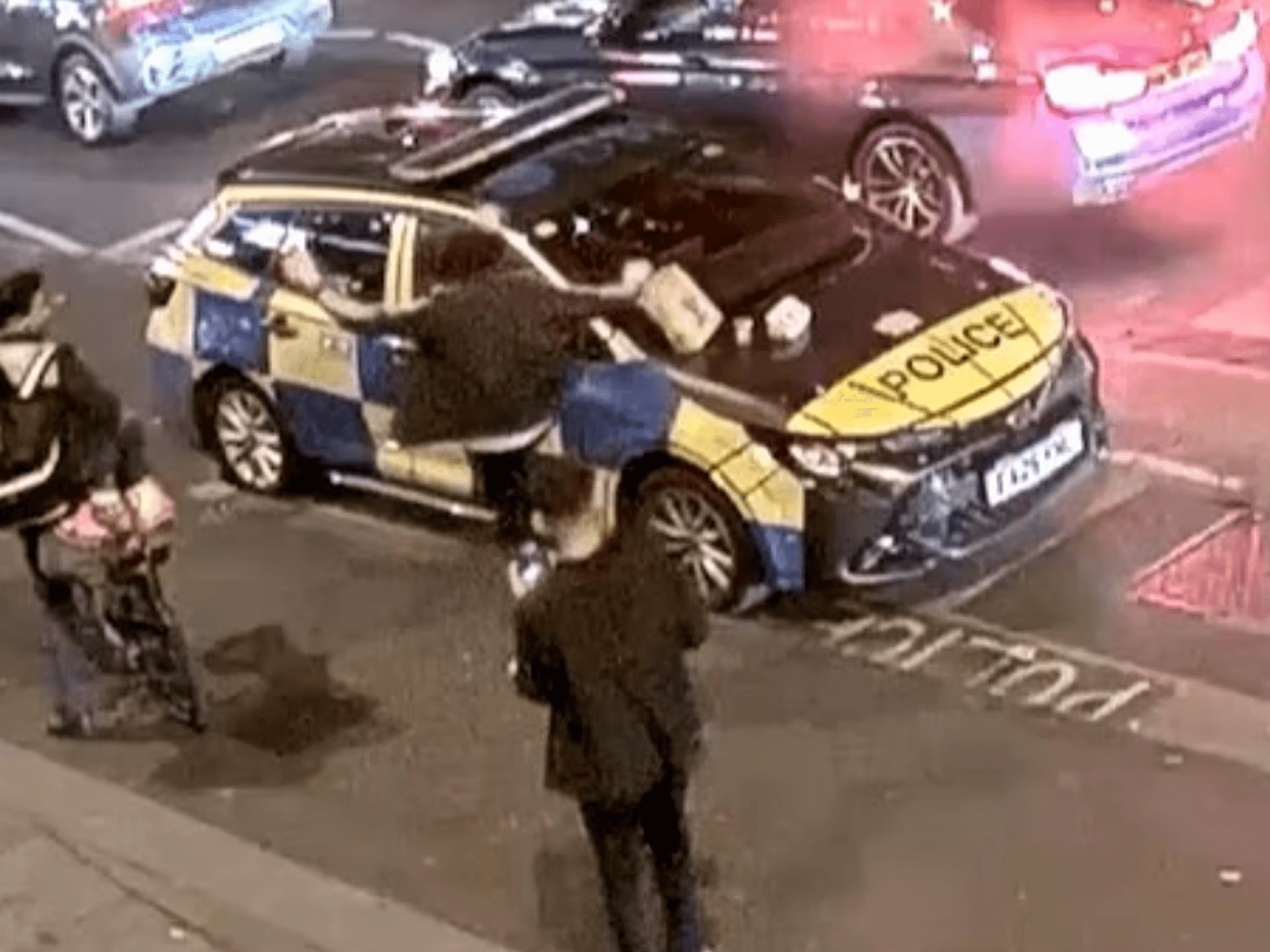



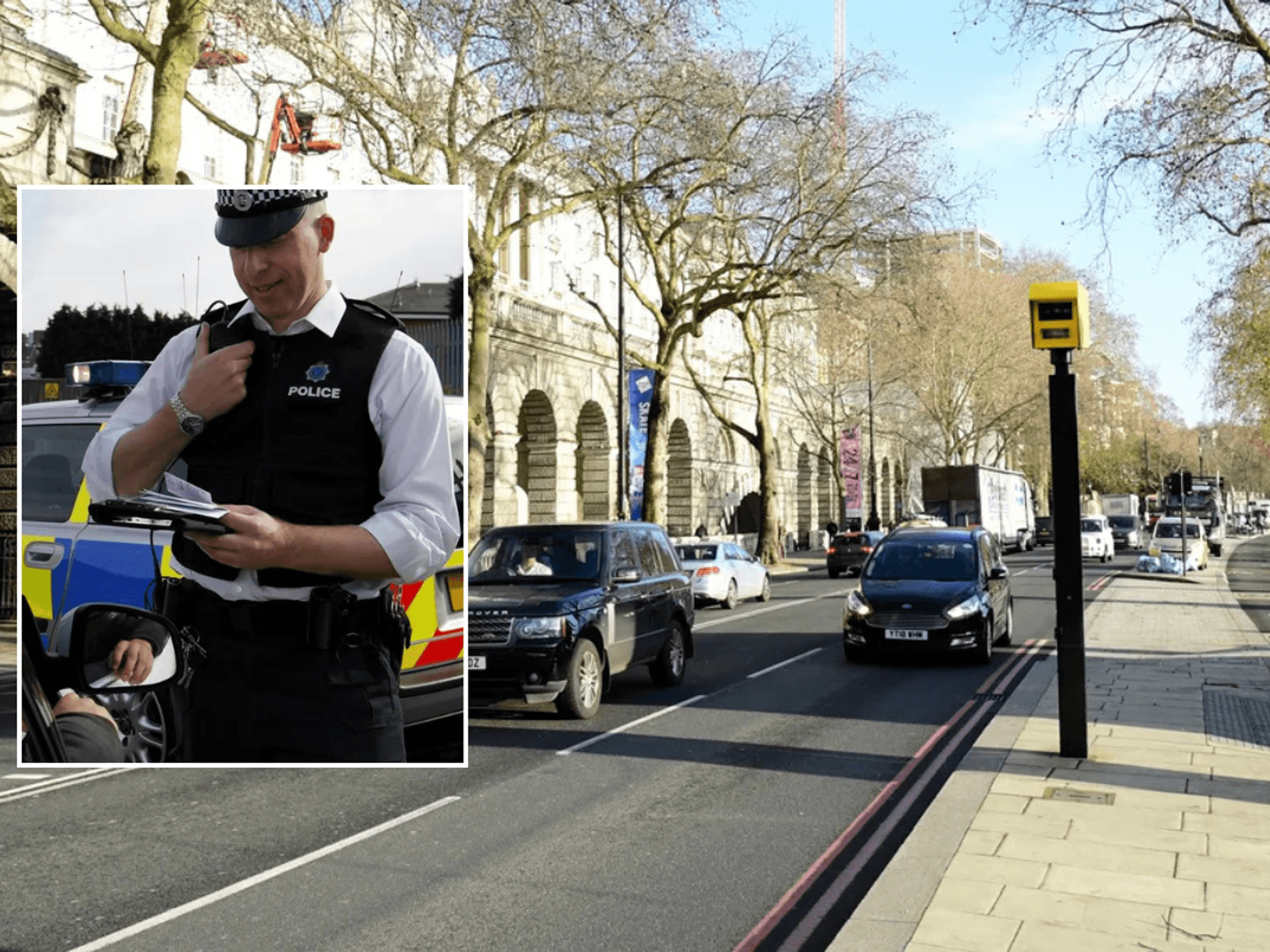

The Government is facing calls to ban the word "shoplifting" on grounds the term downplays a "serious and frequently violent" form of organised crime.
Mark Gleeson, vice president at Auror - a multinational firm whose intelligence systems support major UK retailers and police forces - has instead urged authorities to adopt terms such as "store theft" or "retail crime".
He argued stolen merchandise can fund drugs, gangs and exploitation through wider criminal networks, while shop workers face daily threats and independent retailers suffer repeated attacks.
Writing in the Telegraph, Mr Gleeson said: "We need to drop the language that trivialises this crisis. The word 'shoplifting' sounds almost quaint, like a naughty rite of passage for young scamps.
"These words utterly fail to capture what's really happening."
Recorded shop thefts have surged to more than 500,000 annually, according to police data.
This represents a 133 per cent rise over the past five years - though this figure captures only a fraction of an estimated 10 million incidents each year.
The crisis is accompanied by escalating aggression, with retail giant Marks & Spencer warning offenders have become "more brazen, more organised and more aggressive".
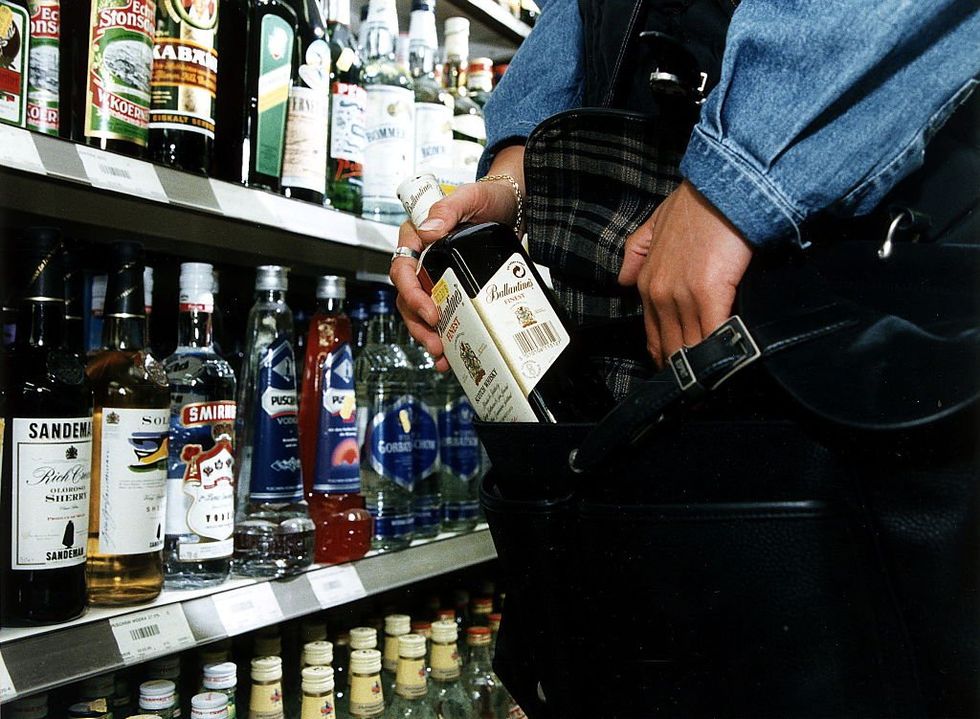
Recorded shop thefts have surged to more than 500,000 annually, according to police data
| GETTYData from Auror reveals threats, verbal abuse, or aggression featured in one of every seven store thefts during 2024, compared with one in eight the previous year.
Violence, weapons, assault, arson, hate crimes, harassment or aggression occurred in one of ten incidents last year, rising from one in twelve in 2023.
Repeat offenders prove up to four times more likely to carry knives or other bladed instrument, which remain the most commonly used weapons in shop theft related crime.
Auror operates a crime reporting platform, allowing retailers such as M&S, Tesco, Boots and Primark to upload CCTV footage, photographs and evidence on repeat offenders to a shared police database.
LATEST DEVELOPMENTS
The system enables forces to focus resources on the mere 10 per cent of criminals responsible for a whopping 65 per cent of all retail thefts.
Since deploying the platform, the Metropolitan Police has seen charge rates for such offences surge by 50 per cent, with more than one in five crimes now being put to bed.
Officers using the CCTV images can identify perpetrators in 70 to 80 per cent of cases, via innovative facial recognition technology.
Devon and Cornwall Police shines as an example, reporting a 9.4 per cent increase in securing criminal charges within just a year of adopting the platform.
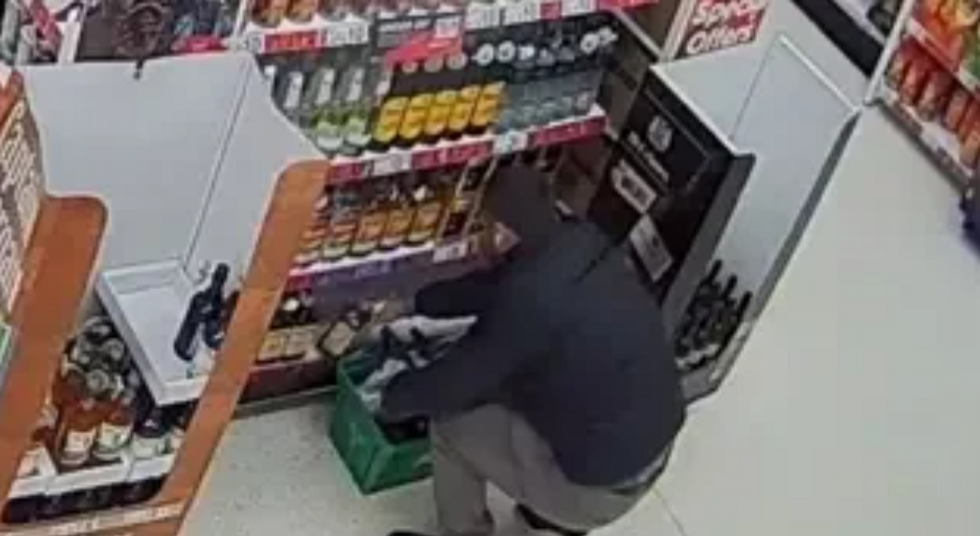
Officers using the CCTV images can identify perpetrators in 70 to 80 per cent of cases, via innovative facial recognition technology
|NBCS
The Home Office confirmed it would employ the phrases "shop theft" or "retail crime" where suitable, and claimed to already use said terms regularly in public communications.
A spokesman endorsing the language said: "Shop theft tears at the fabric of our communities. It should be treated as the serious crime it is."
However, officials concluded it would not be "proportionate" to fund the official terminology changes across crime recording systems in all 43 police forces throughout England and Wales.
They noted the public remains familiar with existing terminology, and embedding the terms into everyday language should result in a cultural shift when addressing the type of crime.
Sir Keir Starmer has backed calls to roll out the shared CCTV reporting platforms across the country, to ensure as many retailers as possible have access to the game changing technology.
Mr Gleeson emphasised consistent retailer reporting, combined with technology, could help police identify patterns and prevent crimes, rather than simply react to them.