








The Home Office's funding for the Prevent counterterror programme has been slashed by millions of pounds in the last few years despite referrals to the scheme surging.
Funding for Britain's counterterrorism programme has been cut by nearly 40 per cent since the pandemic, despite the number of people being referred to the scheme having risen sharply, new figures have revealed.
The amount spent by the Home Office on the Prevent strategy fell from £41million in 2021 to 2022 to £25million this financial year, a drop of 39 per cent.
Over the same period, referrals to the programme increased by 37 per cent.
Also, the number of individuals escalated to Channel, the part of the scheme dealing with those considered most at risk of radicalisation, more than doubled to 1,472.
The figures, obtained through a Freedom of Information request show the number of priority areas receiving dedicated Prevent funding from the Home Office has fallen from 44 in 2021-22 to just 28 this year, the Times reports.
Two-thirds of extreme right-wing terrorism offenders live in areas no longer designated as priorities by the Government.
Several major terror attacks have been carried out by individuals living in areas which receive no dedicated Prevent funding.
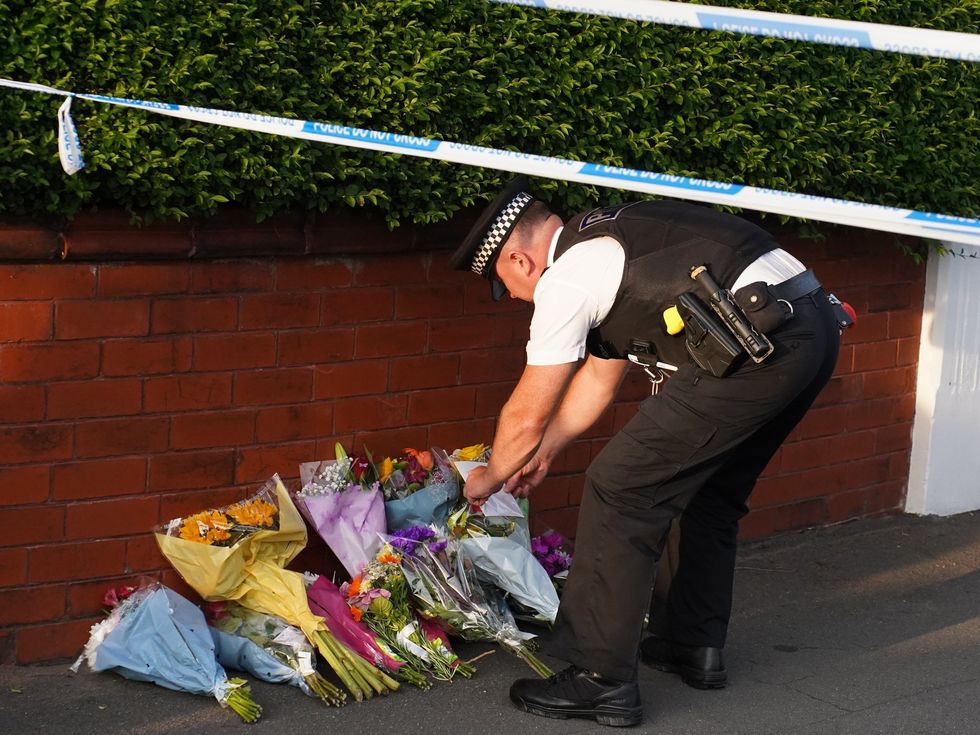
A police officer placing flowers in Southport, Liverpool, after three girls were murdered by Axel Rudakubana, who had been referred to Prevent three times
|GETTY
Essa Suleiman, charged with attempted murder after allegedly stabbing two Jewish men in Golders Green in May, lived in Southwark, a London borough that received £185,000 from the Home Office in 2021-22 but now receives no extra funding whatsoever.
The scale of the cuts to London has been particularly stark. Of the 32 London boroughs, only eight now receive Prevent funding, down from 21 in 2021-22, with overall funding for the capital falling by 72 per cent from £5.7million to £1.6million.
Birmingham, a city where an estimated one in seven prisoners convicted of terrorism offences originate, now receives £255,000, down almost £500,000, despite ongoing concerns about Islamic extremism in the area.
Further north in Leeds, the city saw a 61 per cent reduction in funding from £491,000 to £191,000 - despite facing a growing threat from Islamic extremists and an expanding far-right presence.
LATEST DEVELOPMENTS:
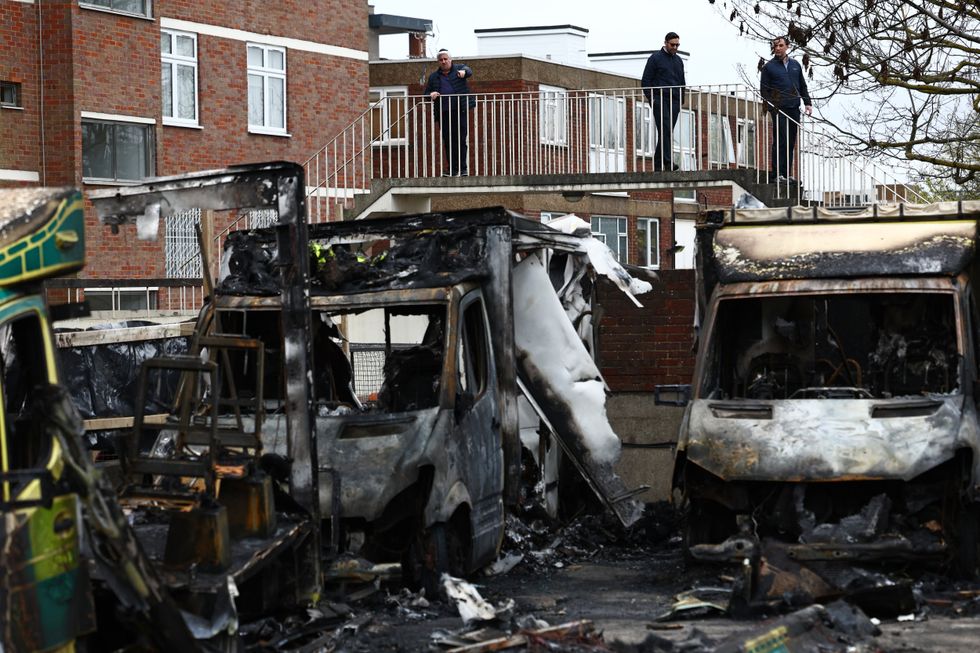
On March 23, three Jewish community ambulances were destroyed after an arson attack in Golders Green
|GETTY
Manchester's allocation was more than halved from £463,000 to £225,000, even though the city has been at the centre of some of the country's most serious radicalisation problems and terror attacks.
Suburbs in south Manchester, including Fallowfield where Manchester Arena bomber Salman Abedi was from, have been identified as focal points for radicalisation.
The October terror attack at Heaton Park synagogue in Manchester, in which two Jewish worshippers were killed, was carried out by Jihad al-Shamie, who lived in nearby Prestwich.
Several significant Prevent failures have come to light during the same period in which funding has been cut.
Ali Harbi Ali murdered MP David Amess in October 2021 after his Prevent case was closed on the grounds it was deemed low risk.
Camden, the London borough he came from, subsequently lost its Prevent funding in 2023-24.
A review found that Axel Rudakubana, who killed three young girls at a Taylor Swift-themed dance class in Southport in July 2024, had been referred to Prevent three times but that authorities repeatedly missed opportunities to intervene.
Cases involving the Streatham High Street attack in February 2020 and the Forbury Gardens stabbings in Reading later that year both involved perpetrators who either lived in or spent considerable time in areas without priority Prevent status.
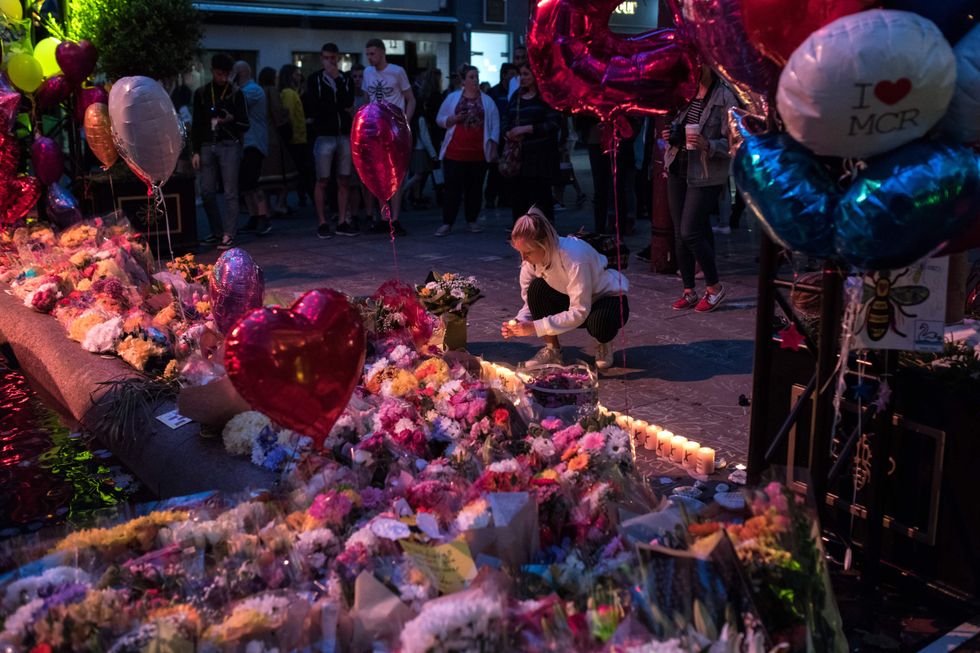
Twenty-two people were killed and more than 1,000 injured when Salman Abedi carried out a suicide bombing at Manchester Arena on May 22, 2017
|GETTY
The 2023 review of Prevent by Sir William Shawcross found millions of pounds had been allocated to consulting firms providing "demonstrably ineffective" services.
Poor due diligence meant taxpayers' money was, in some cases, "actually being spent in support of those whose views run against Prevent's objectives," the review said.
The TaxPayers' Alliance has called on the Government to publish annual transparent Prevent budgets across all departments, local authorities and agencies, warning "the public has good reason to be concerned about what this opacity conceals".
The Home Office said the reduction in priority areas followed a recommendation from the Shawcross review and since last year, local authorities not designated as high threat have been able to apply for funds through a separate £2million Preventing Radicalisation Fund.
A spokesman said: "The Government is committed to tackling radicalisation and has significantly strengthened Prevent to ensure it can stop people from becoming terrorists or supporting terrorism.
"Prevent is a legal duty for all local authorities and the Home Office provides additional funding to 27 areas where the risk is highest."
The spokesman added that all local authorities had access to a central project fund to address local radicalisation risks which they could also bid into.