






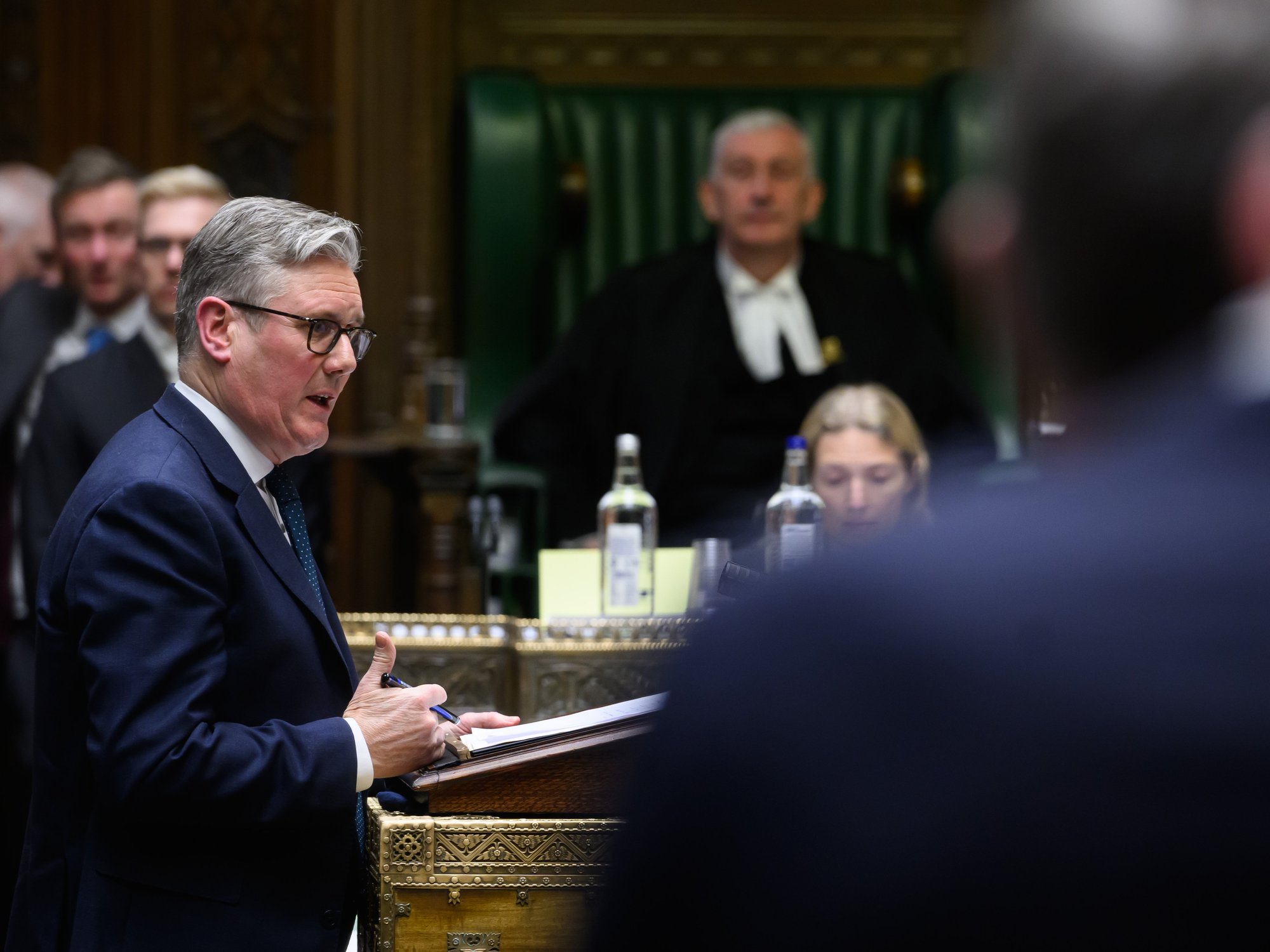

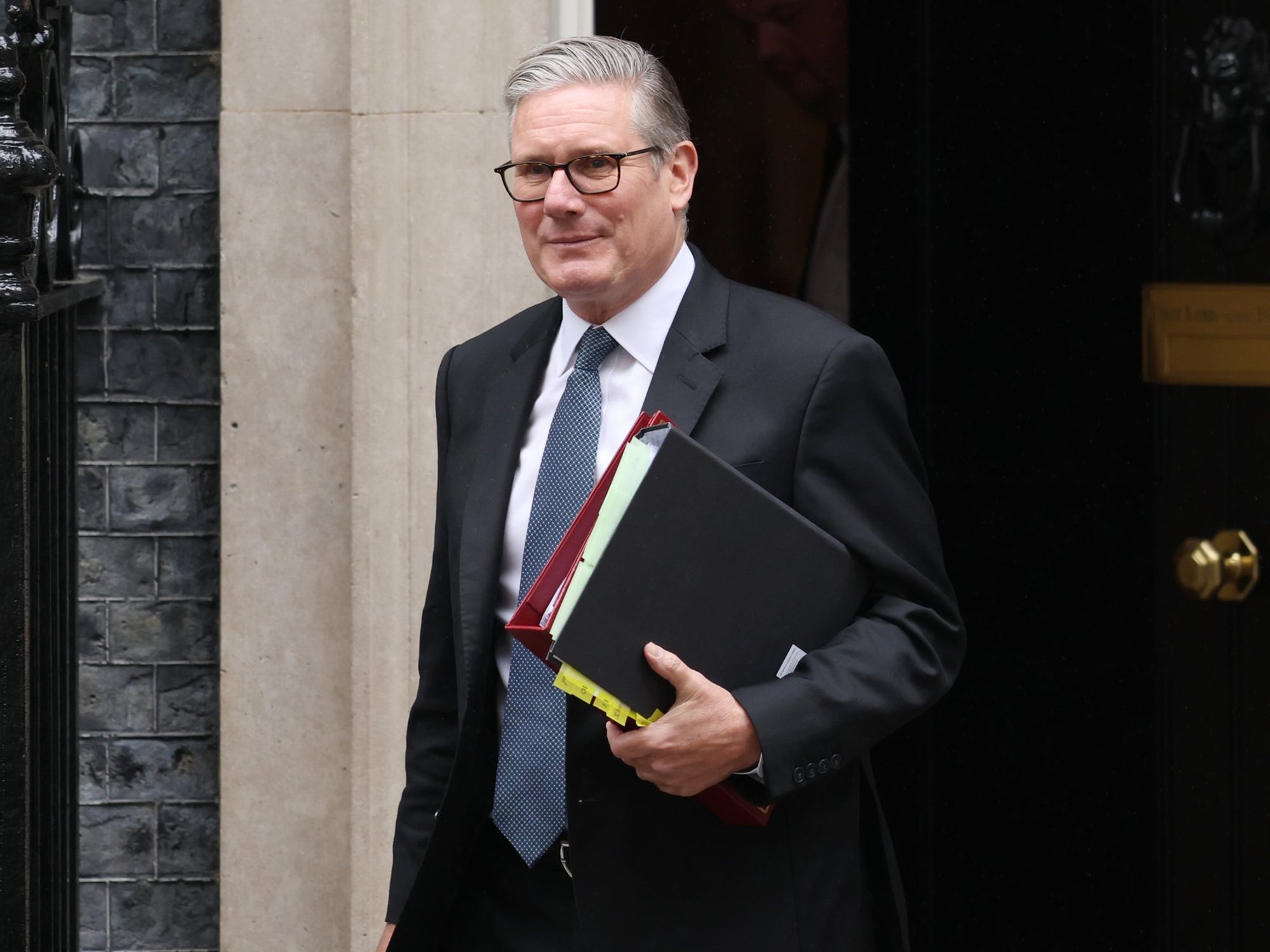


Ed Miliband's “fanatical” approach to Net Zero has made Britain “a warning rather than an example to the rest of the world”, the Shadow Energy Decretary has warned.
Claire Coutinho said “there is no such thing as a high-growth, low-energy country”, saying: “Cheap, reliable, abundant energy is why the United Kingdom has prospered for two centuries.”
But decarbonisation policies, aimed at ensuring the UK reaches net zero carbon emissions by 2050, are playing havoc with the economy, she said.
Ms Coutinho made the comments in the foreword to Cooking on Gas, a report from the Onward think-tank that analyses the costs surrounding the transition to renewable energy.
TRENDING
Stories
Videos
Your Say
Nearly a third of energy bills are now related to green charges, the report’s authors say, meaning families are struggling with domestic bills.
For industry, Britain’s companies are battling with some of the highest electricity prices in the world, increasing fears of "de-industrialisation".
The report makes numerous recommendations, including moving green levies from bills and alleviating the burden on energy-intensive businesses so they can be competitive on the world stage.
It also says the Government should lift the heavy taxation on North Sea oil companies.
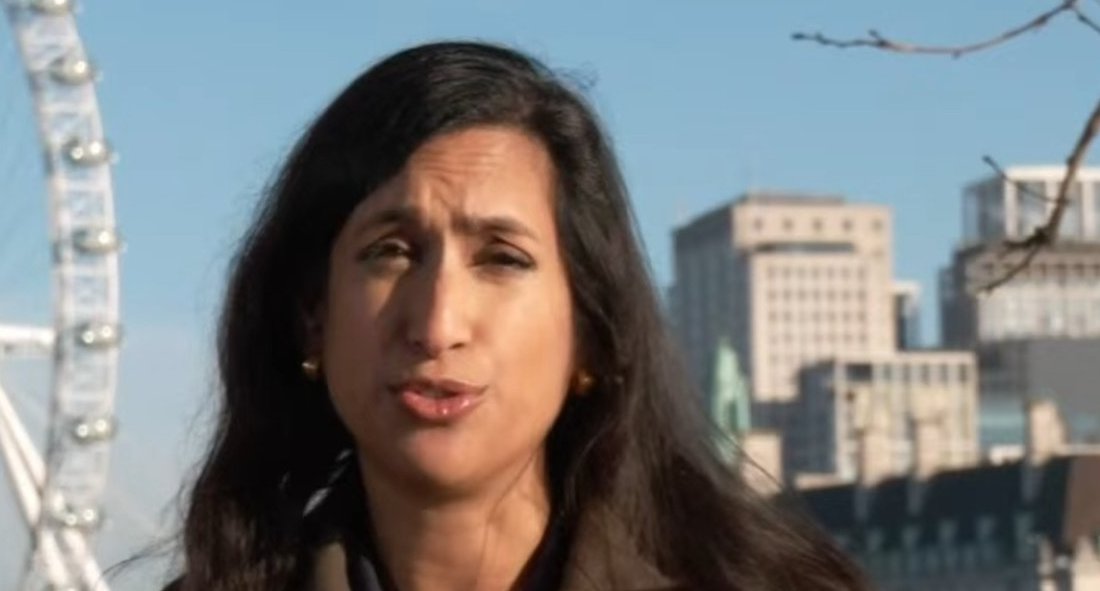
Claire Coutinho criticised Net Zero
|GB NEWS
In her foreword to Cooking on Gas, Ms Coutinho said it is time to “bring energy realism back to the debate”.
She wrote: “The Industrial Revolution was fuelled by our plentiful supply of coal and Mrs Thatcher’s boom years from our oil and gas resources in the North Sea.
“We now stand a quarter through a new century, living with the consequences of a dangerous experiment.
"One which has waged a crusade against necessary parts of our energy system, which has chosen a system that needs to build ever more capacity for less productivity and which has distorted the market to benefit energy developers over consumers.
LATEST DEVELOPMENTS
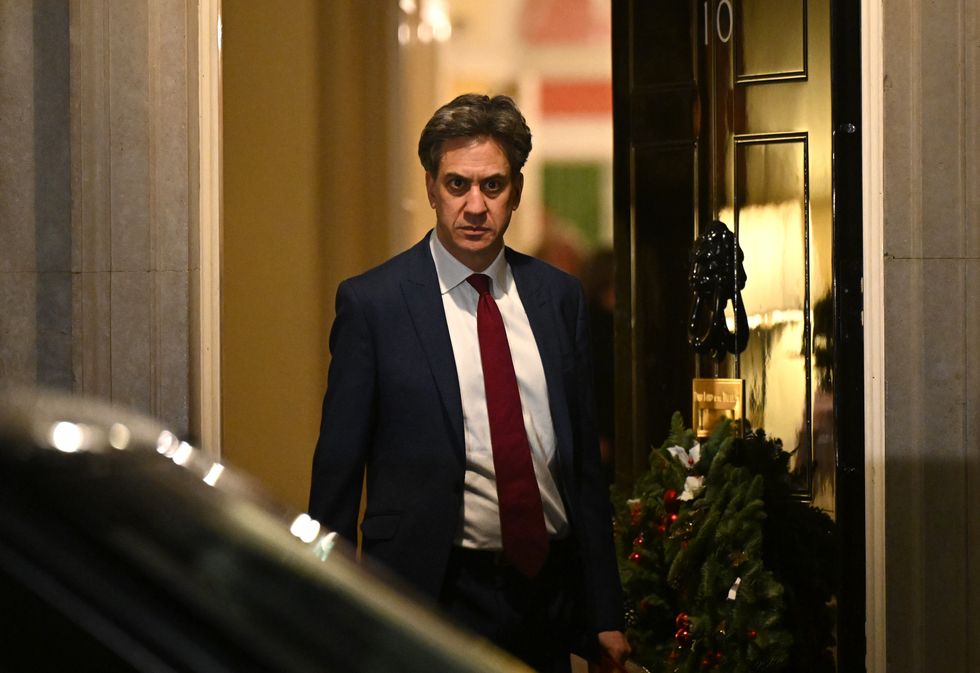
Ed Milliband has come under fire
| GETTY“As the energy-hungry growth opportunities of AI and an increasingly dangerous world zooms into closer focus, it is time for us to bring energy realism back to the debate.”
She said this was most obvious in the UK’s electricity policy that has led to some of the highest industrial charges in the developed world.
Electricity prices are often set by gas prices, because it is so frequently the marginal, or last, generator called on to power the grid.
The Government says that this reliance on gas pushes up bills and maintains moving away from fossil fuels would lower costs in the long term.
But Onward’s report suggests 30 per cent of consumer bills are comprised of taxes, levies and renewable subsidies.
Ms Coutinho went on: “There is a wider question at hand.
"The UK is responsible for just 1 per cent of global emissions.
"If a fanatical approach to net zero leaves us poorer, more reliant on imports, with higher energy costs and fewer jobs, which of the countries that make up the 99 per cent of emissions – still rising around the world – will want to follow our lead?
“The UK has done more than any other major economy to cut emissions, but we have become a warning rather than an example to the rest of the world.
"For the UK to have any impact at all, ministers must prioritise the cheap electricity and energy resilience we need for industry to succeed and to improve living standards.
“Axing the carbon tax, backing the North Sea, streamlining nuclear regulations that put the needs of newts over our need for reliable, land-dense energy, and being honest about the true cost of renewables would be a start.”
Responding to the report, a Department of Energy Security and Net Zero spokesman said: “Tackling the affordability crisis is the Government’s number one priority... That is why we are acting to bring bills down now and for the long term.
“We’ve taken an average of £150 of costs off energy bills from April and our mission for clean power by 2030 will get us off the rollercoaster of fossil fuel prices, to cut bills for businesses and households for good.”
Our Standards: The GB News Editorial Charter
More From GB News