







Labour has vowed to "double down" on Net Zero, claiming it is the only way Britain can shield itself from future energy shocks after the Iran crisis sent global prices surging.
Business Secretary Peter Kyle argued accelerating the rollout of renewables such as wind and solar would reduce the UK’s reliance on oil and gas from "parts of the world which are fundamentally unstable".
His comments follow a sharp jump in energy markets, with European gas prices rising by 80 per cent and oil climbing by nearly 20 per cent after Iranian strikes on Gulf production facilities unsettled traders and raised fears of a supply crunch.
Analysts have warned if the spike persists, households and motorists could face bill increases on a scale similar to those seen after Vladimir Putin’s invasion of Ukraine in 2022.
TRENDING
Stories
Videos
Your Say
Speaking on Tuesday, Mr Kyle said: "Doubling down on renewables is, yes, right for climate change, it’s, yes, right for jobs, it is also essential because we keep on seeing these lived examples of how instability, through regional instability, is creeping into our energy prices, for which the British Government has no agency."
He added the shift to green energy was fundamentally "about sovereignty".
Ministers have repeatedly blamed volatile gas markets for Britain’s high energy costs, which remain among the highest in the developed world.
However, energy suppliers have recently cautioned that the most significant upward pressure on bills in the coming years will stem from green levies and network charges linked to the Government’s Net Zero agenda.
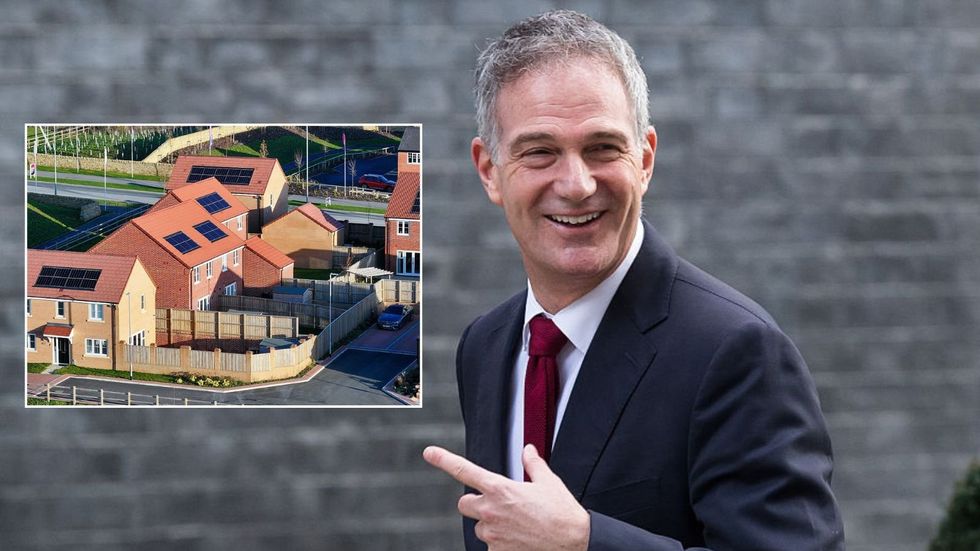
Mr Kyle says Iran crisis shows UK must accelerate net zero
|GETTY
These costs include subsidies for renewable generation and the expense of upgrading the electricity grid to manage increasing volumes of clean power.
At the same time, Labour has faced criticism over its position on the North Sea, with opponents arguing that the ban on new oil and gas licences and the continuation of the windfall tax are accelerating the basin’s decline.
Donald Trump, as well as the Tony Blair Institute for Global Change, have urged Keir Starmer to expand domestic production to strengthen energy security, while the Conservatives and Reform UK have also called for a policy rethink.
Mr Kyle rejected calls to increase extraction in the short term, arguing the North Sea could "never sustain the whole market in the UK" and relying more heavily on domestic output would "exacerbate the exposure we have at times like this".
LATEST DEVELOPMENTS
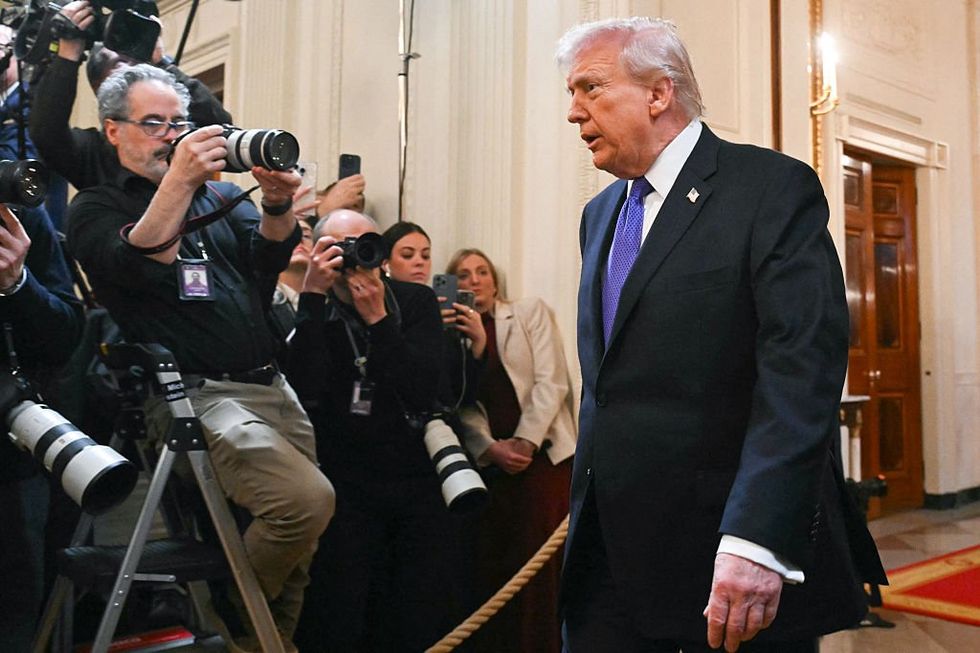
Mr Trump slammed the Prime Minister
|GETTY
His remarks came amid speculation ministers could lift the energy profits levy, which currently places the effective tax rate on North Sea producers at 78 per cent.
Documents published by the Office for Budget Responsibility (OBR) show the windfall tax is projected to end earlier than planned, in mid-2027 rather than 2030, because lower oil and gas price forecasts are expected to activate its automatic floor mechanism.
The OBR projection was based on earlier price assumptions and may now require revision following this week’s surge in global energy markets.
After Rachel Reeves delivered her Spring Statement, shadow chancellor Mel Stride said scrapping taxes on North Sea production should be her "top priority".
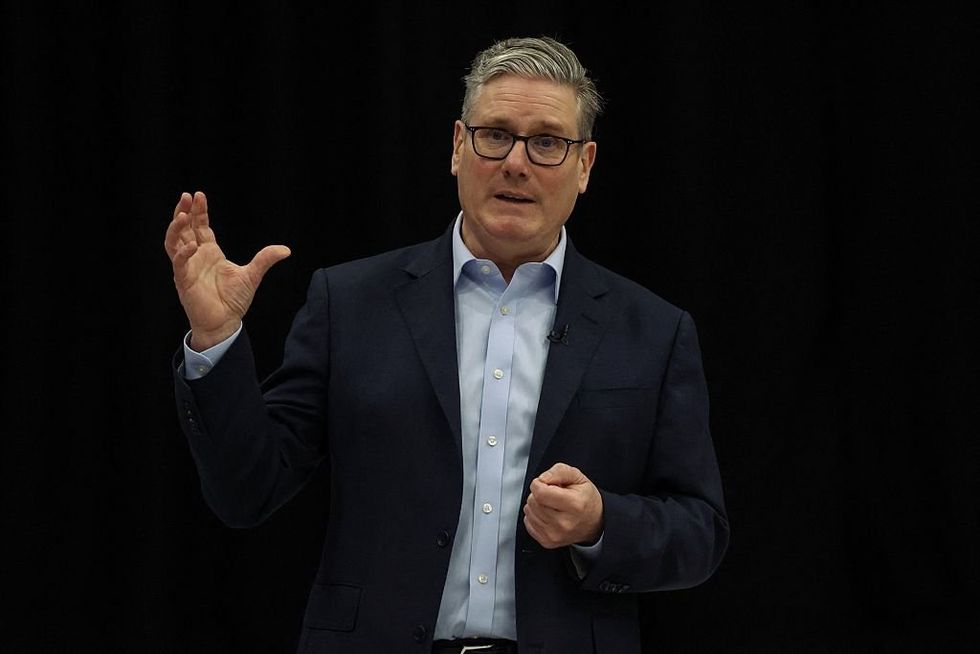
Mr Starmer has been told to produce more domestic energy
|GETTY
Forecasts from the North Sea Transition Authority indicate that even under net zero policies, Britain will require at least 14.6 million barrels of oil a year by 2050, compared with 68.8 million today.
Gas demand is projected to fall from 62 billion cubic metres to 14.6 billion cubic metres over the same period, with imports expected to account for the majority of supply by the late 2030s as domestic reserves decline.
Mr Kyle was speaking at Make UK’s annual conference, where manufacturers warned that "hideously high energy costs" had become "an existential threat" to British industry.
He said the Government recognised the need to address structural problems in the energy market and pointed to measures such as the British Industrial Competitiveness Scheme, which aims to reduce electricity costs for factories from next year.
More From GB News