

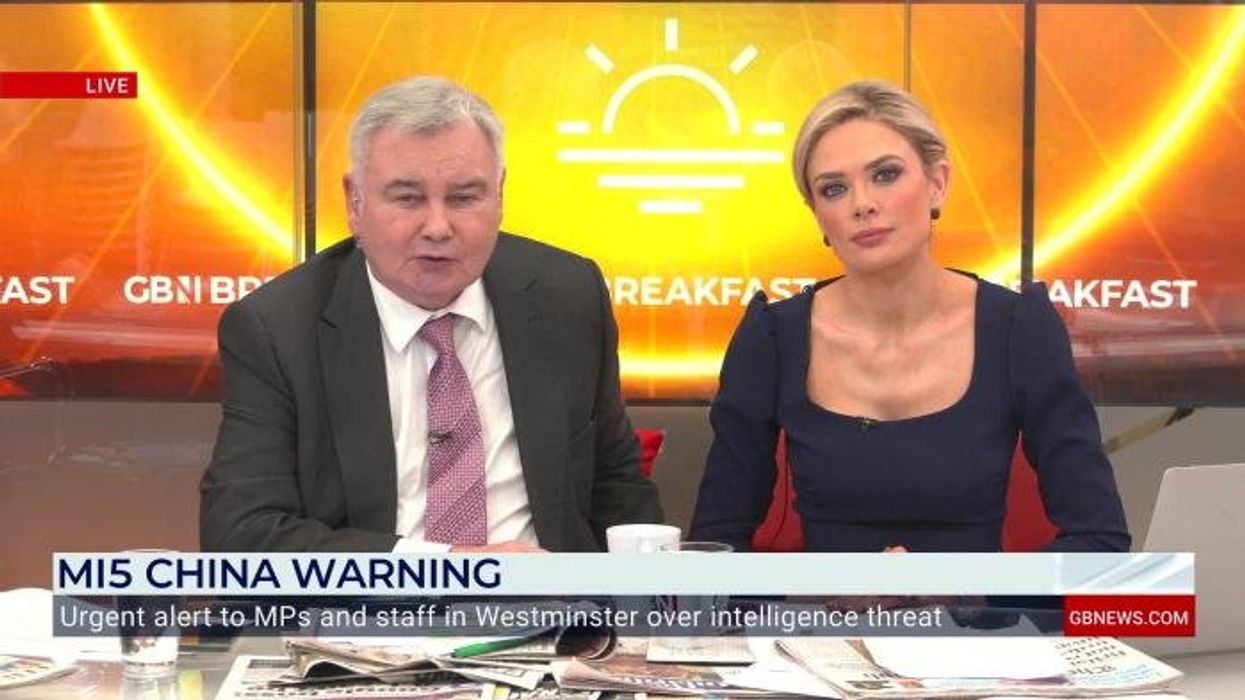







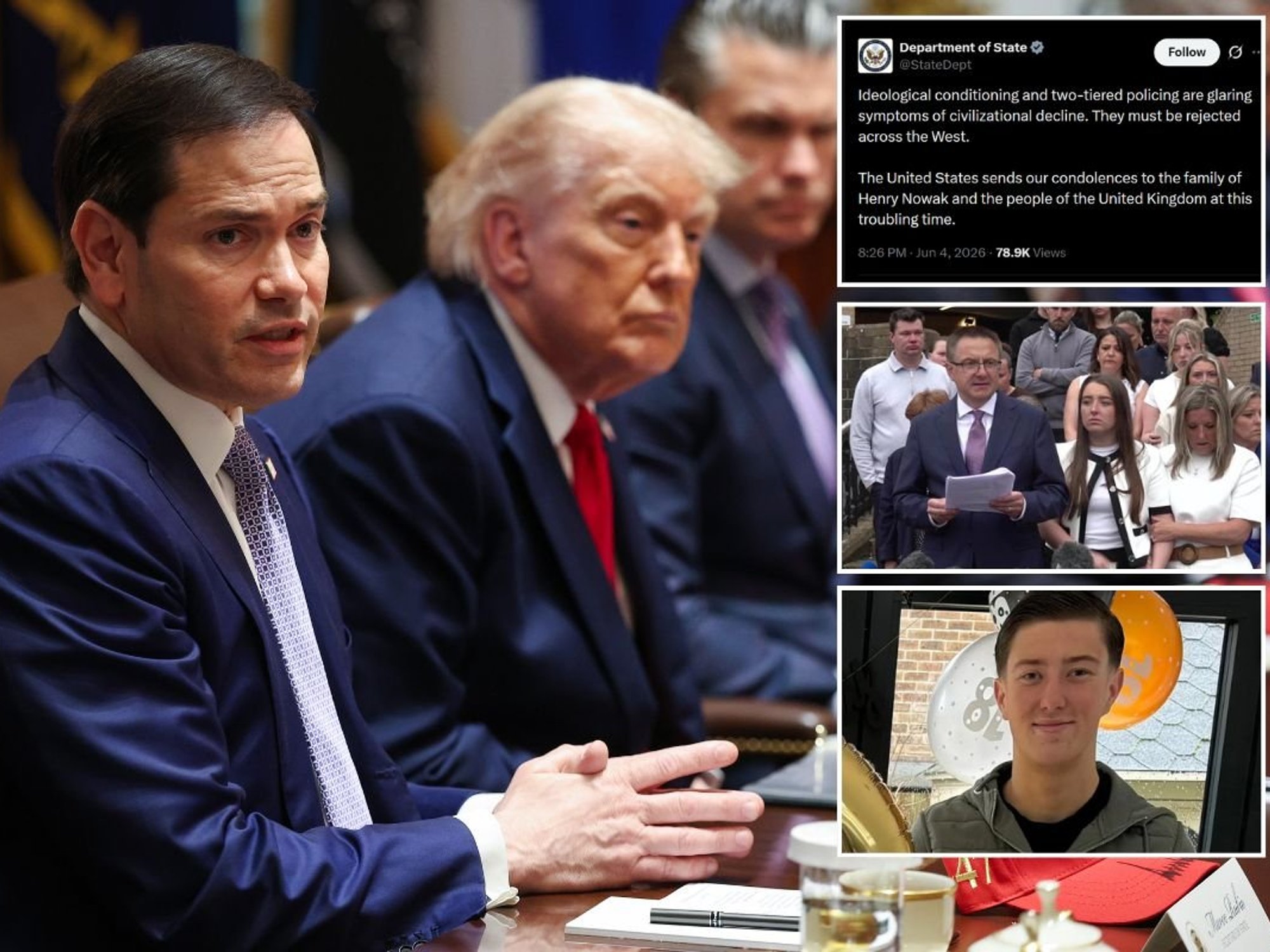
Sir Keir Starmer has been forced to reassure the US the proposed Chinese embassy is safe and that no sensitive data will be transmitted through nearby cables.
The plans for the super-embassy are set to be approved by the Prime Minister ahead of his visit to Beijing later this month.
Neither MI5 nor MI6 raised any serious concerns about the plans.
According to The Times, Britain's embassy in Washington DC briefed the US House Committee on Foreign Affairs to quell concerns about what information China may be able to access.
TRENDING
Stories
Videos
Your Say
The newspaper added that the US had not decided how it would react to permission being granted.
While it was confirmed that no sensitive government information would be transmitted through the cables, financial data as well as messaging information for millions of internet users would be carried, making them some of the UK's most sensitive communications cables.
The US are already said to have warned Downing Street against allowing the plans to go ahead.
Shadow Home Office Minister Alice Kearns raised her concerns about the establishment being built so close to crucial communications cables.

Sir Keir Starmer has been forced to reassure the US that the proposed Chinese embassy is safe and that no sensitive data will be transmitted through nearby cables
|GETTY
"Cables on which our economy is dependent," she told MPs. "Cables carrying millions of British people’s emails and financial data, and access that would give the Chinese Communist Party a launch-pad for economic warfare against our nation."
According to documents seen by The Telegraph, the plans suggest the embassy is to demolish and rebuild the outer basement of the building, 49–51 Portland Place, directly beside the crucial cables.
Additionally, the drawings seen by the newspaper include a "secret chamber", which would be part of a network of 208 underground rooms.
Ms Kearns said: "The Home Office and the Foreign Office say security concerns have been addressed. So I put to the minister, had any minister seen these unredacted plans before the Telegraph uncovered them, and if not, why not?"
LATEST DEVELOPMENTS:
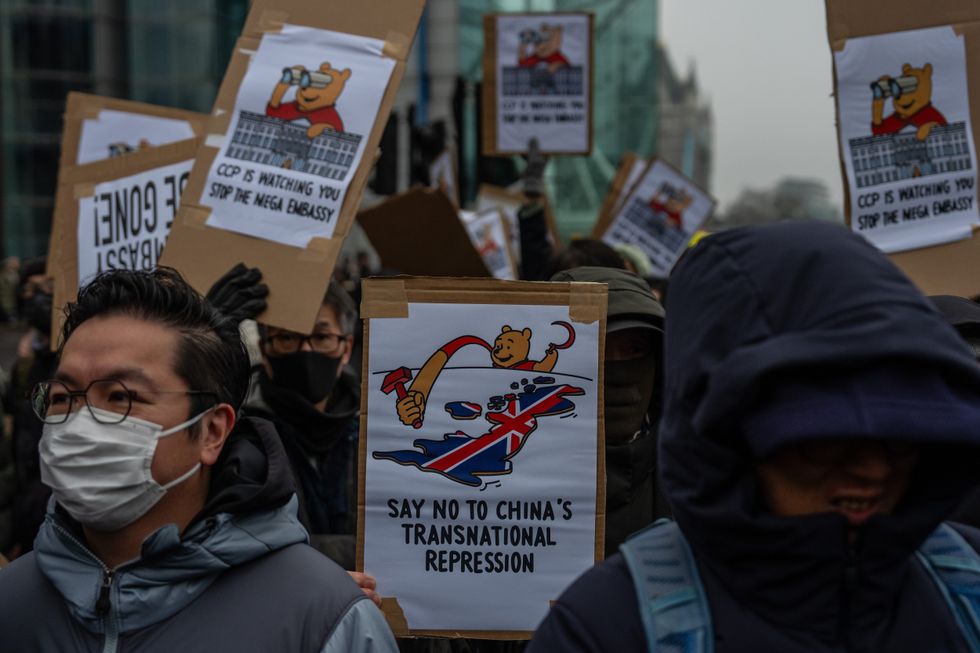
Protests have been seen outside the Chinese embassy in London
|GETTY
She added: "The Government can claim today that they had no idea about these secret rooms, and we will take them at that word. But they cannot now say they have no power to protect us.
"Protect our economy, protect the British people, deny the Chinese Communist Party their embassy."
Shadow Home Secretary Priti Patel told GB News on Wednesday: "The major concerns are, of course, the national security of our country. That is something that no government should ever, ever compromise, and that is exactly what Keir Starmer's government is doing.
"They can't be trusted with our national security - they're too busy kowtowing to China."
She added there had been a "cover-up" and that it was "misleading" that some areas, namely the 208 basement rooms, had not been disclosed to the planning inspector.
However, Matthew Pennycook, the Planning Minister, said it would be inappropriate for him to comment on a live case.
"The Government does not provide a running commentary on planning casework decisions … and it would be particularly inappropriate to make any comment on material which has been received," he said.
He added: "Ministers will take all material planning considerations into account when the final decision is made, and ministers will inform the House of the decision accordingly."
The Government said: "National security is the first duty of this Government and has been the core priority throughout this process.
That is why the Home Office and Foreign Office worked closely across Government, with policing, and other relevant partners, to ensure that any potential national security issues associated with this planning application have been considered and addressed."
Our Standards: The GB News Editorial Charter
More From GB News