










The only way is not Essex, especially when it comes to policing.
I’m sure you’ll remember the shenanigans surrounding The Bell Hotel in Epping, when locals reared up in protest against migrants being housed there, particularly after Hadush Gerberslasie Kebatu, an Ethiopian asylum seeker who was staying at that hotel, went on to sexually assault a 14-year-old schoolgirl and a woman.
Well, there were some very questionable policing tactics deployed at the time, and many people were unsure exactly whose side the police were on. I particularly recall seeing the Chief Constable of Essex Police, Ben-Julian Harrington (Known as BJ to his mates), holding a dreadful press conference during which he tried to defend the indefensible, and was therefore rightfully rinsed by the redoubtable GB News attack hound, Charlie Peters.
By the way, Kebatu was sentenced to 12 months' imprisonment for his crimes back in September 2025. I wonder whatever became of him? Early release? Deportation? A life on benefits somewhere else in Great Britain?
Essex Police found themselves in the headlines once again this week, and not for the right reasons.
Any keen observer of policing news will know very well that two police forces have been absolute trailblazers when it comes to the development and deployment of Facial Recognition Technology.
They are The Metropolitan Police and the South Wales Police. I like to give credit where credit is due, and whilst both of these forces are far from perfect, in this particular area of policing, they have courageously led the way.
Parliament has been utterly negligent for many years in failing to create any form of legislation around this technology, so in the absence of a regulatory framework, both The Met and South Wales Police grabbed the bull by the horns and ploughed ahead with trialling, improving and then deploying this crucial technology.
There were many bumps in the road. In the early days, there were racial bias glitches, which led to misidentifications, and one man being wrongfully detained.
The civil rights bandwagon gathered speed, hotly pursued by greedy lawyers and women with purple hair, who screamed when they were interviewed on the telly.
Undeterred, the Met and their Welsh colleagues ploughed onwards and upwards, and they deserve considerable praise for doing so.
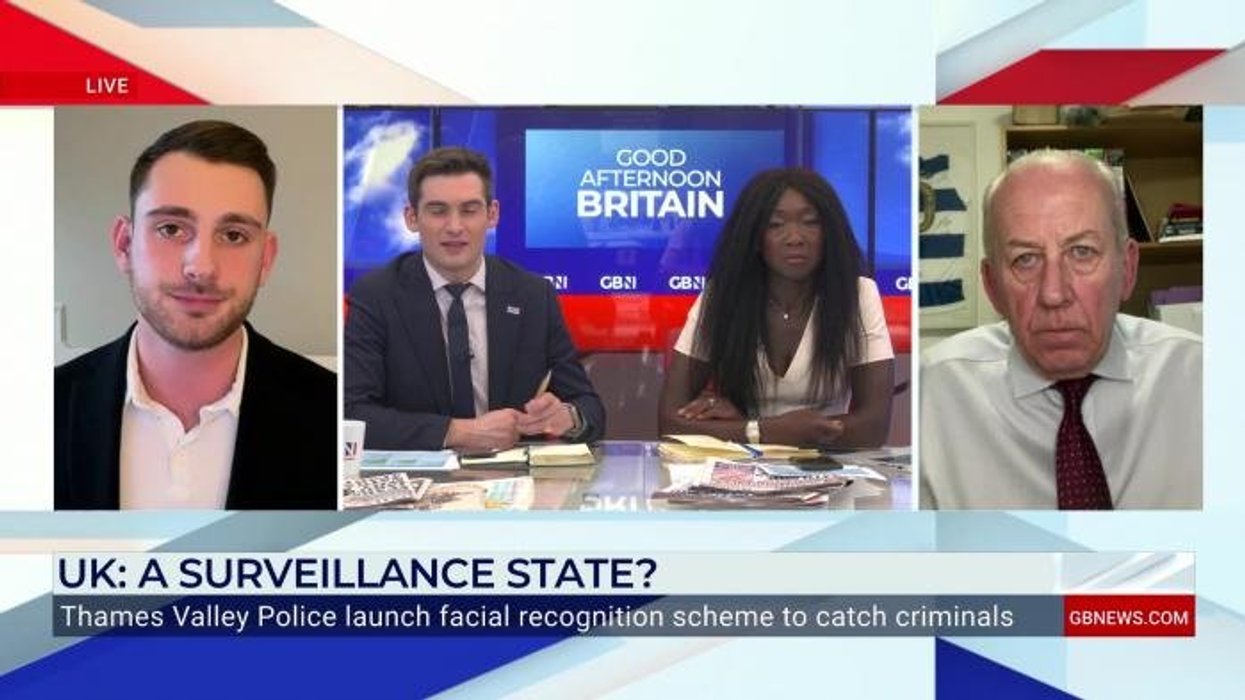
 Pausing facial recognition over racial bias concerns exposes the flaw in modern policing - Peter Bleksley |
 PA
Working in harmony with the tech companies, the equipment has improved significantly, and deployments of facial recognition cameras have become more commonplace.
Suspects for murder, rapists, and other sex offenders have been among the 1,300 wrong ‘uns captured by The Met as a result of this work.
Put simply, this vital technology is not going away, and finally, the penny dropped for the politicians. Parliament is now looking to create laws around its future use.
A number of police forces with far less courage than The Met and South Wales finally thought they'd better do something about this tech, and this included Essex Police.
One might have thought that they would simply catch a bus or a tube train into Central London, after all, it’s only a short journey, and have a chat with their colleagues from the capital.
Maybe they could even get the phone number of those tech companies that had worked so tirelessly in developing, improving and producing the equipment, but it appears that BJ’s force chose not to do that, and to unnecessarily look elsewhere for their research and kit.
I know, you’ve guessed the rest, and you’re right, they made an embarrassing pig’s ear of the whole process because they commissioned their own cameras, which went on to have some of the flaws, and consequently made some of the mistakes that the Met and South Wales had experienced many years ago, but had learned from.
This is what happens when you have 43 individual police forces, as we do in England and Wales; they all want to do it their way.
I suspect a considerable sum of our public money has now been needlessly wasted. I look forward to the day when empires are dismantled, many chief constables are put out to pasture, and the 43 forces are reduced to say, 12.
Our Standards: The GB News Editorial Charter