










Vladimir Putin has instructed vessels and aircrafts to steer clear of substantial portions of the Barents Sea in the Arctic, with authorities labelling these zones as areas where Russian missiles will land.
These restricted areas are positioned off Norway's northern coastline, in close proximity to Nato borders.
The safety notice extends until April 30, representing an unusually lengthy restriction period for this region.
Despite the concerning terminology, the reference to missiles appears to be standard Russian language for space launches, where rocket components that fall back to Earth are officially categorised as descending missile elements.
TRENDING
Stories
Videos
Your Say
The warning is connected to a Soyuz-2-1b rocket scheduled to lift off from Plesetsk Cosmodrome, with the launch anticipated around April 23.
During the rocket's ascent, large metallic structures called payload fairings will be released and tumble back towards Earth.
Two of these components are projected to land in the specified maritime zones.
The mission is also set to deploy a batch of Rassvet broadband satellites into orbit.
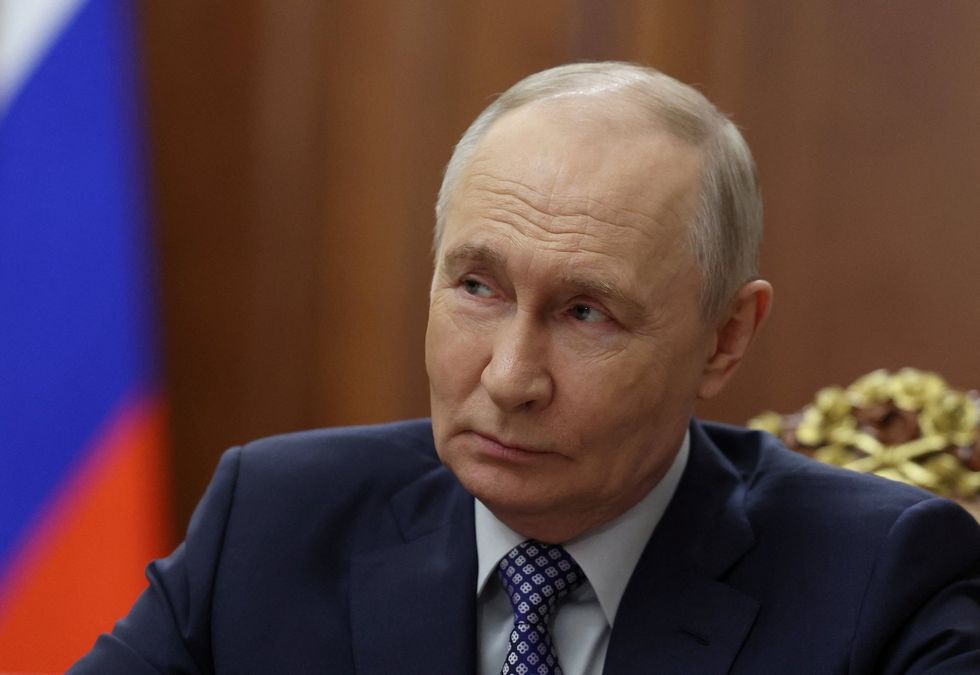
Moscow has been accelerating its efforts to develop an independent satellite communications system that could match the capabilities of existing Western infrastructure
| REUTERSBoth aviation and maritime safety channels have been used to broadcast the alerts, urging those at sea to avoid the designated areas throughout the restriction window.
The Barents Sea ranks among the planet's most productive fishing grounds and partially falls within Norwegian territorial waters.
Therefore, such prolonged exclusion zones are particularly significant for commercial shipping and fishing operations.
Moscow has been accelerating its efforts to develop an independent satellite communications system that could match the capabilities of existing Western infrastructure.
LATEST WORLD NEWS

Vessels and aircrafts must steer clear of substantial portions of the Barents Sea in the Arctic
|WORLD ATLAS
The launch forms part of Russia's broader ambition to establish a low-orbit internet constellation capable of competing with Western alternatives, such as Elon Musk's Starlink network.
Starlink has proven particularly significant during the ongoing conflict in Ukraine, where it has served as a crucial tool for maintaining military communications on the battlefield.
Mr Musk has faced scrutiny over his involvement with Starlink during the Ukrainian conflict, with reports suggesting he directly intervened in the system's operation at a pivotal moment.
According to three individuals familiar with the decision, Mr Musk issued an order that resulted in a communications blackout during a Ukrainian attempt to recapture Kherson in September 2022.
Staff at the American technology company reportedly deactivated at least 100 Starlink terminals following instructions from the billionaire.
One source familiar with the command said it shocked employees because it allowed Mr Musk to "take the outcome of a war into his own hands."
Ukraine eventually reclaimed Kherson in November 2022.