









A secret Government assessment has warned Britain could face shortages of chicken, pork and supermarket staples this summer if the Iran conflict continues.
Senior officials from Downing Street, the Treasury and the Ministry of Defence have carried out confidential planning exercises examining the impact of a prolonged closure of the Strait of Hormuz.
The assessment - codenamed “Exercise Turnstone” - was coordinated through Cobra, the Government’s emergency response committee, according to The Times.
Officials modelled a “reasonable worst-case scenario” set in June 2026, assuming the key shipping route remains blocked with no lasting peace deal in place.
TRENDING
Stories
Videos
Your Say
At the centre of the concerns is a potential shortage of carbon dioxide - a gas critical to food production and preservation.
Under the worst-case scenario, CO2 supplies could fall to just 18 per cent of current levels, triggering major disruption across the food industry.
The projections assume a major UK production site suffers a breakdown while high gas prices simultaneously hit ammonia and fertiliser production across Europe - both key sources of CO2.
The gas is essential for extending the shelf life of packaged foods including meat, salads and baked goods.
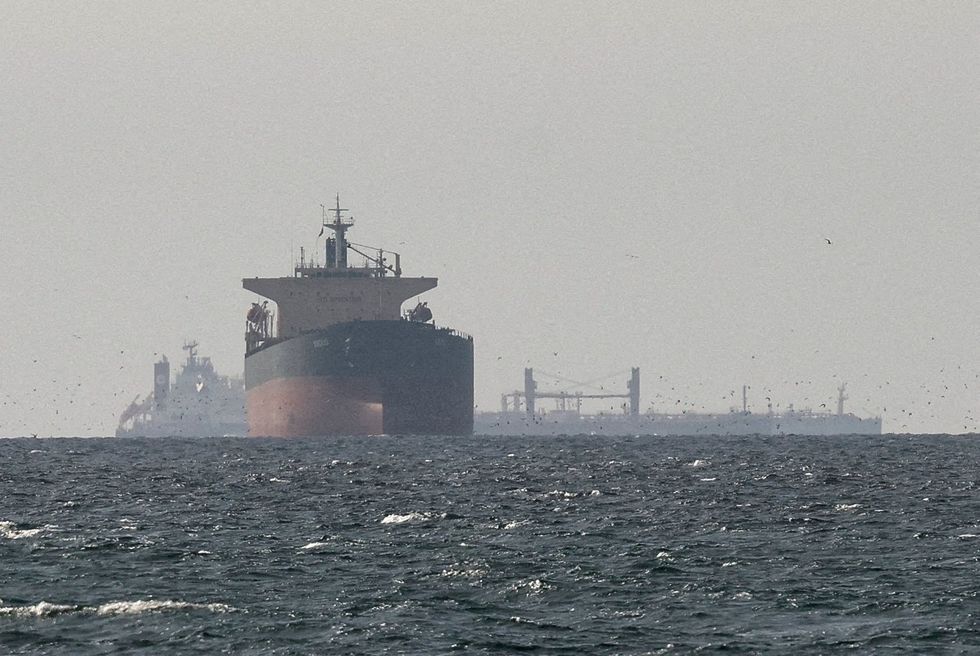
Officials have carried out planning exercises examining the impact of a long-term closure of the Strait of Hormuz
| REUTERSCrucially, it is also used in the slaughter of almost all pigs and more than two-thirds of chickens in Britain.
Industry sources say the meat sector has little surplus stock, while Government reserves would not provide a long-term solution.
Agriculture and hospitality are expected to be hit first, while the brewing sector could also face disruption given CO2 is vital for carbonation.
Officials are particularly concerned shortages could coincide with the FIFA World Cup, which begins on June 11.
IRAN WAR - READ THE LATEST:
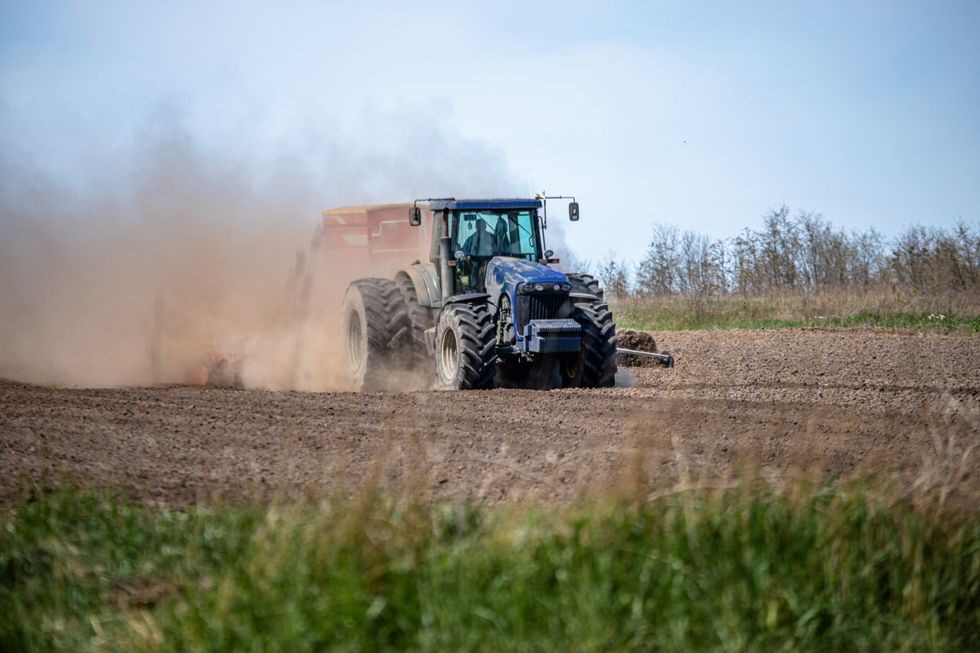
The agriculture and hospitality sectors are expected to be hit first
|GETTY
While widespread food shortages are not expected, consumers could see reduced choice on supermarket shelves.
Ministers also fear visible disruption could undermine public confidence in wider supply chains.
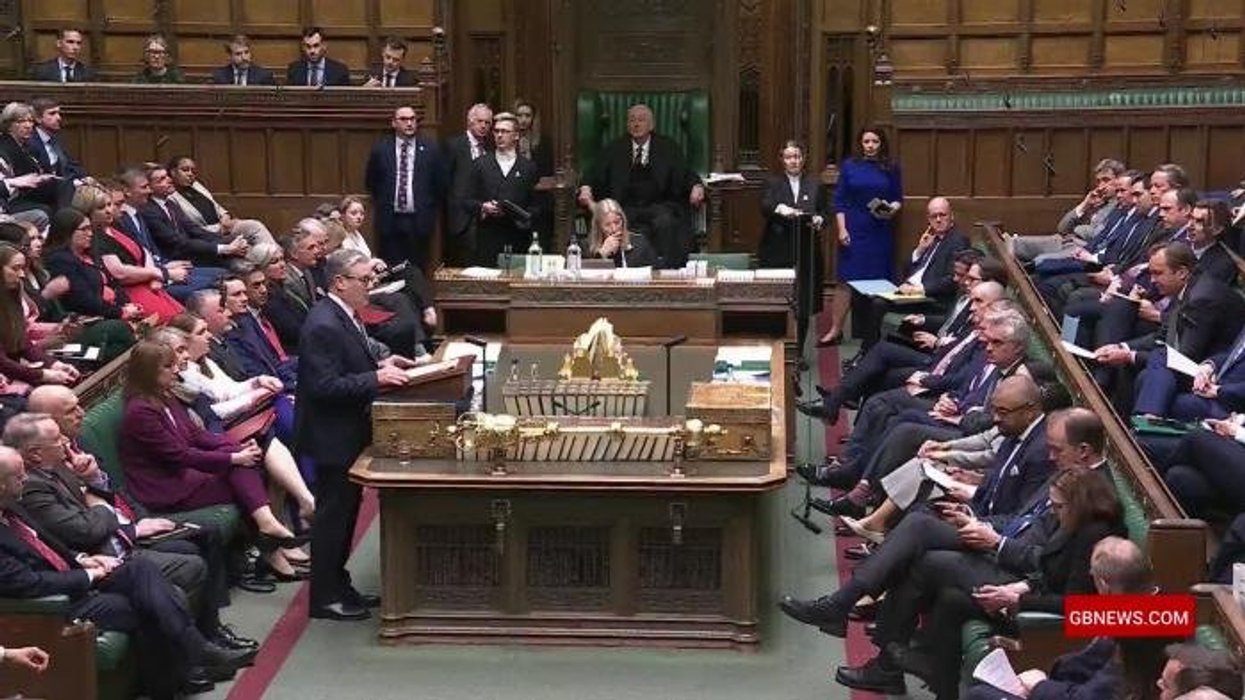
Sir Keir Starmer ordered the Cobra assessment, with officials from health, defence, business, energy and the Food Standards Agency all involved.
Healthcare has been identified as the top priority, with warnings that a collapse in CO2 supply could pose risks to life.

While widespread food shortages are not expected, consumers could see reduced choice on supermarket shelves
|GETTY
Dry ice - made from carbon dioxide - is essential for cooling blood supplies, transplant organs and vaccines.
Disruption could also affect electricity generation, including nuclear power.
Government lawyers have been asked to prepare for the potential use of the Civil Contingencies Act, which would grant ministers sweeping emergency powers.
Plans have also been discussed to force factories to prioritise CO2 production, with emergency legislation potentially passed within days.
Competition rules could be relaxed to ensure limited supplies are directed towards critical sectors such as healthcare.
Compensation for firms required to halt normal operations and switch to CO2 production could run into tens of millions of pounds.
Ministers have already announced the Ensus bioethanol plant in Teesside will restart operations for three months to help boost supply.
The Prime Minister is also co-hosting a summit with more than 40 countries aimed at reopening the Strait of Hormuz, which Mr Trump has sought to blockade in response to Iranian actions.
The current ceasefire between Washington and Tehran is due to expire on Tuesday, though White House officials have said talks remain “productive and ongoing”.
A Government spokesman said: “We took decisive action last month to shore up the UK’s critical supplies of CO2 by temporarily restarting the Ensus bioethanol plant in Teesside and are continuing to work closely with business groups to tackle the impacts of events in the Middle East.
“Reasonable worst case scenarios are a planning tool used by experts and are not a prediction of future events.”
Our Standards: The GB News Editorial Charter