







A Spanish hospital has achieved a medical milestone by carrying out the first facial transplant in history using tissue donated by a woman who ended her life through assisted dying.
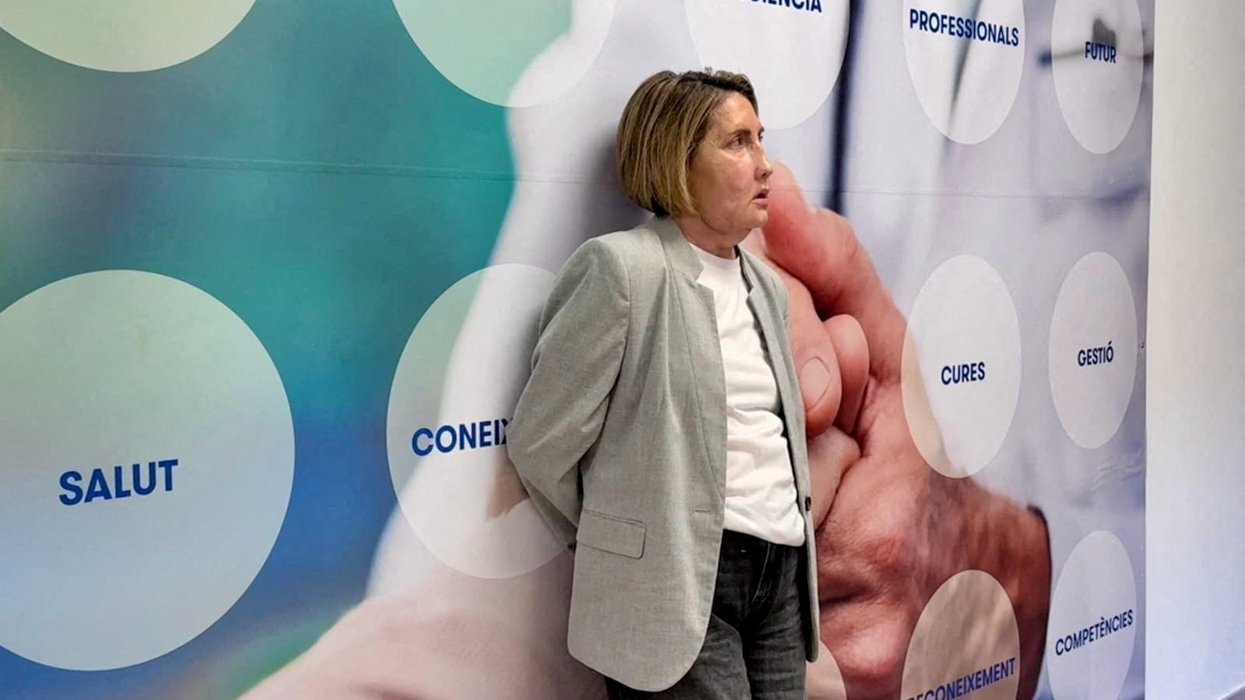
Carme, the recipient who has been identified only by her first name, appeared at a press conference in Barcelona on Monday to show her restored face to the world.
The groundbreaking procedure at Vall d'Hebron hospital saw the central portion of Carme's face reconstructed using tissue from a donor who had explicitly consented to the donation before her planned death.
"With the transplant everything has gone very well, although I'm still recovering," Carme told journalists at the hospital where the operation was performed.
Carme's ordeal began when she was bitten by an insect during a holiday in the Canary Islands, triggering a devastating bacterial infection.
The flesh-eating disease caused severe necrosis that destroyed much of her facial tissue, leaving her unable to open her mouth to eat and missing half her nose.
"Catching the bacteria meant disappearing from the world," she explained. "They put me into a coma and I was in three different emergency units. The necrosis had eaten away at my face."
For two months prior to the transplant, she battled to survive while struggling with basic functions including eating, speaking and breathing.
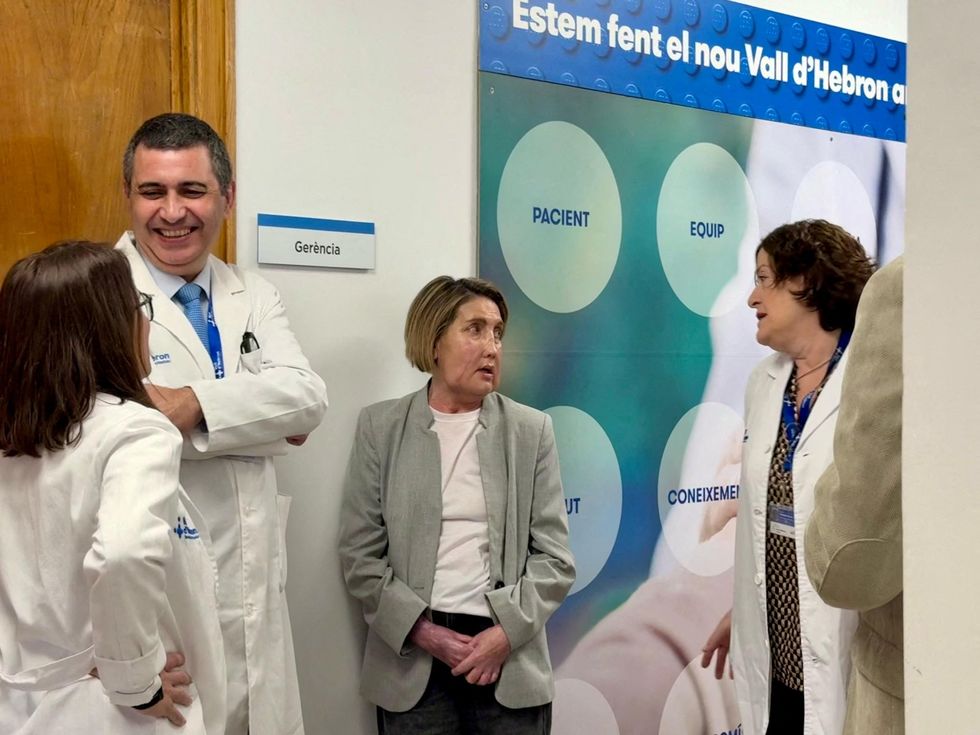
Surgeons transplanted skin, fat, nerves, facial muscles and bone
|REUTERS
The infection had robbed her of any quality of life, with Carme believing she would never regain what she had lost.
The operation demanded an enormous medical team, with approximately 100 specialists participating across disciplines including plastic surgery, transplantation, immunology, psychiatry and intensive care.
Surgeons transplanted skin, fat, nerves, facial muscles and bone, employing microvascular techniques to restore both function and sensation.
The donor, who suffered from a life-limiting condition, had specifically enquired whether donating her face was possible before her assisted death.
LATEST DEVELOPMENTS
Joan-Pere Barret, the hospital's head of plastic surgery and burns, described her decision as "the maximum expression of love and generosity towards others."
Because the death occurred under Spain's legal assisted dying framework, medical teams could match blood types and other characteristics in advance, enabling detailed three-dimensional planning to optimise the reconstruction of Carme's facial bone structures.
Carme said her recovery had progressed sufficiently to resume most everyday activities, describing how she now practises smiling at home, though it still feels "strange" to her.
"When I'm looking in the mirror at home, I'm thinking that I'm starting to look more like myself," she said. "I can talk, I'm starting to eat, I have sensitivity in the transplanted area, I can drink, have a coffee. I don't mind going out into the street and I can live a normal life."
She expressed optimism that within a year she would be "completely fine, fantastic."
Facial transplants remain experimental procedures requiring individual authorisation, with only 54 performed globally to date.
Spain has led the world in organ transplantation for over three decades, having legalised assisted dying in 2021.
More From GB News