

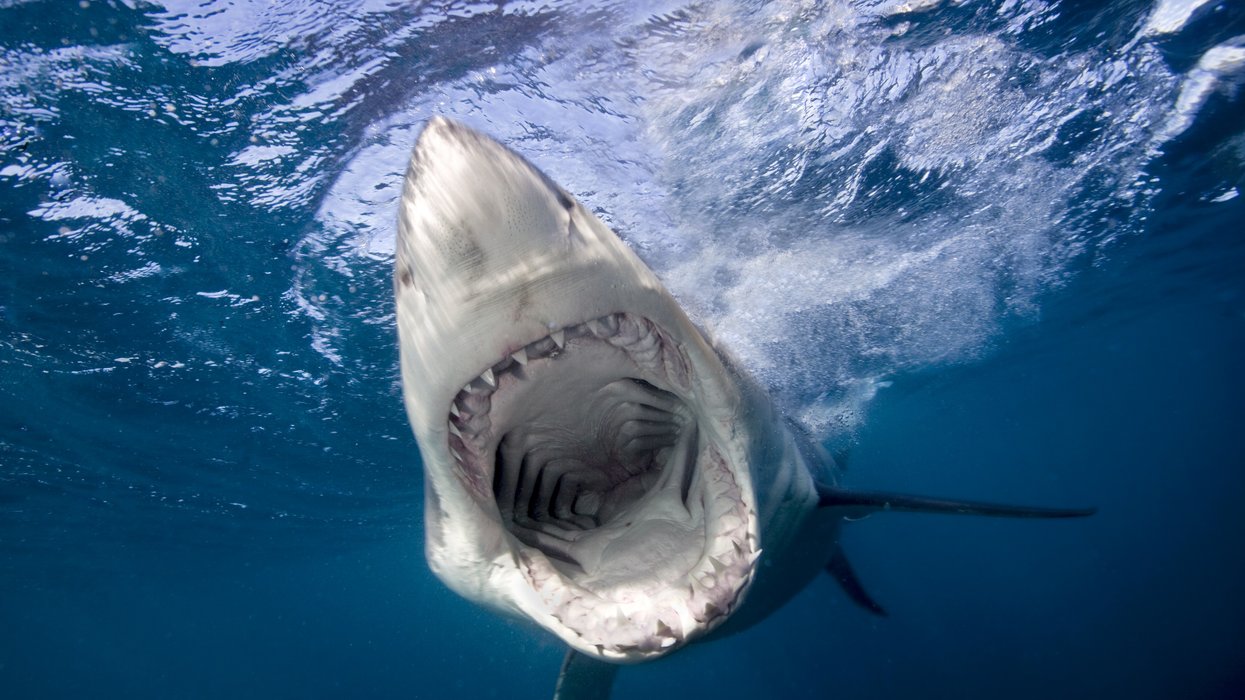









Sharks swimming in waters near one of the world's most popular tourist spots have been found with traces of cocaine, caffeine and common painkillers in their systems, according to new research.
Scientists examining three species of shark around the Bahamas - Caribbean reef sharks, Atlantic nurse sharks and lemon sharks - made the startling discovery after collecting samples near Eleuthera Island.
Out of 85 sharks tested in the study, published in the Environmental Pollution journal, 28 were found to have various substances present in their bodies.
The findings have raised alarm among researchers given the remote nature of the location, suggesting that even the most isolated marine environments are not immune to contamination from human waste.
TRENDING
Stories
Videos
Your Say
Caffeine proved to be the most commonly detected substance, appearing in 27 of the sharks examined.
Cocaine was identified in two of the animals, whilst the anti-inflammatory medication diclofenac showed up in 13 specimens.
Paracetamol was present in four of the sharks tested.
The research represents a significant milestone, marking the first occasion that caffeine and paracetamol have ever been identified in shark populations anywhere on the planet.
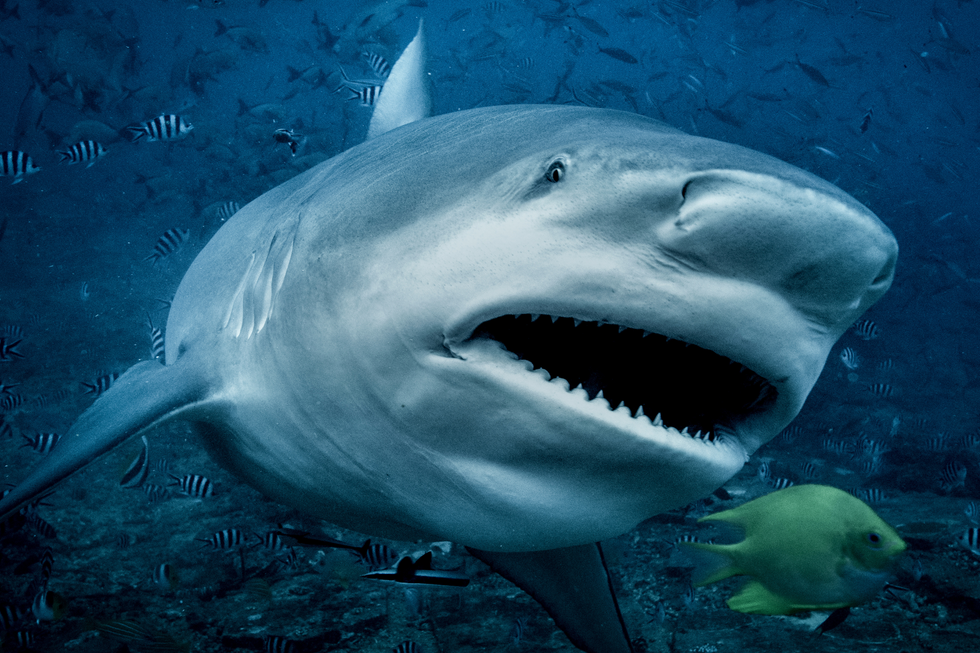 Scientists make shocking discovery as 'cocaine sharks' found near the Bahamas | GETTY
Despite these findings, the researchers observed no immediate behavioural alterations or significant health problems in the sharks during their tests.
However, scientists have expressed concern that cocaine exposure could potentially trigger neurological changes over time, given the drug's known capacity to affect brain function.
Previous research examining caffeine's impact on goldfish indicated the stimulant caused increased energy levels and heightened focus.
Scientists believe sewage discharge and human activity in the waters are the primary culprits behind the contamination.
ANIMAL STORIES
Researchers also suspect that divers visiting the area may contribute to the problem, while inquisitive sharks might have bitten into packages containing cocaine residue.
"We're talking about a very remote island in the Bahamas," biologist Natascha Wosnick, from the Federal University of Paraná in Brazil, told Science News.
"It's mostly because people are going there, peeing in the water and dumping their sewage in the water".
The discovery has troubled experts because Eleuthera Island lacks a significant permanent human population, yet harmful substances are still finding their way into these seemingly pristine waters.
Scientists have warned that the presence of these substances carries broader consequences for marine ecosystems, and could ultimately pose risks to human health.
The contamination may affect the seafood people consume and what beachgoers are exposed to when visiting coastal areas, researchers cautioned.
Caribbean reef sharks can grow up to three metres long and are regarded as potentially dangerous - but only if provoked.
Attacks against humans are pretty rare with only about two dozen bites ever recorded among the sub-species, and have only ever been recorded as attacking a human unprovoked four times
According to the Florida Museum, signs that a Caribbean reef shark might be about to attack includes head swings, sharp and rapid movements or the turns increasing in numbers, arching its back like a cat, and the lowering of one or both pectoral fins, with trailing edges directed to the rear.