






US inflation surged to 3.8 per cent in April, the steepest annual rise since May 2023, as President Donald Trump struggles to address the economic fallout of the US-Iran war.
Bureau of Labor Statistics (BLS) figures released today show consumer prices climbed 0.6 per cent month-on-month, exceeding market forecasts.
The closure of the Strait of Hormuz, through which roughly a fifth of global oil and gas supplies typically flow, remains the primary driver behind escalating costs.
Petrol prices have jumped more than a dollar per gallon compared to twelve months ago, according to AAA data.
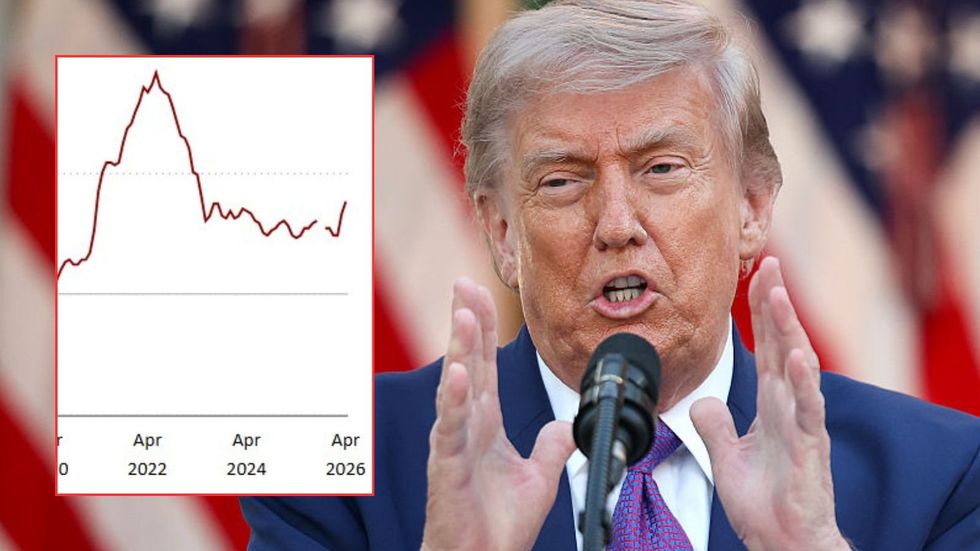
Inflation is on the rise in a blow to Donald Trump
|GETTY / BLS
Oil markets rose further on Monday after Mr Trump dismissed Iran's response to American peace proposals as "totally unacceptable".
Isaac Stell, an investment manager at Wealth Club, noted that energy costs accounted for more than 40 per cent of the overall price increase, with the energy component of the inflation data rising 3.8 per cent in April alone.
He shared: "The oil shock triggered by the Iran conflict shows little sign of easing, and with a counter peace plan rejected, there is no clear end in sight."
Mr Stell warned that persistently elevated crude prices would continue fuelling inflationary pressures, with consumers bearing the brunt at filling stations.
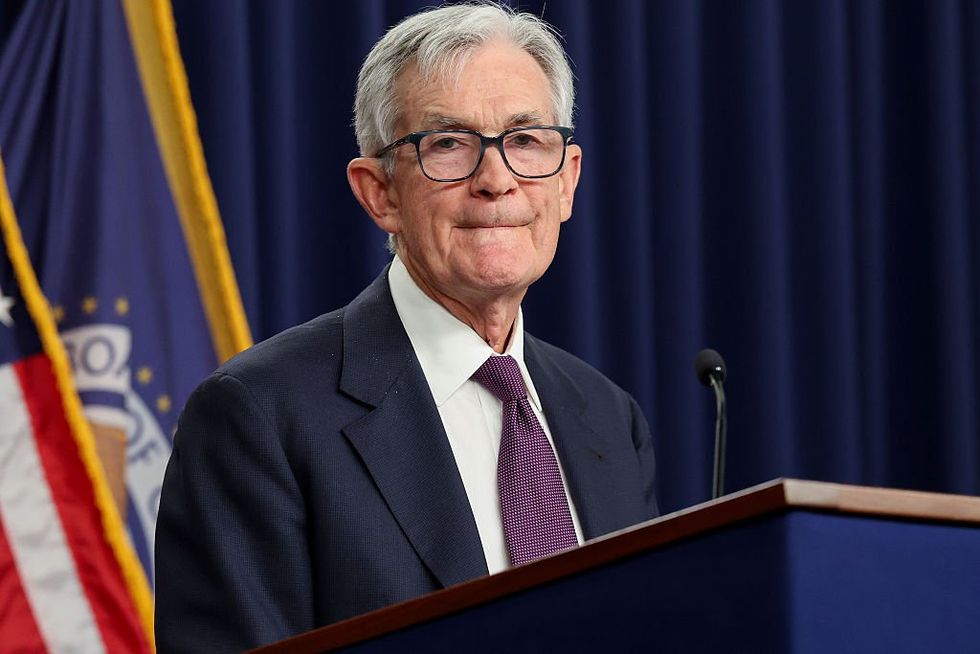
The Federal Reserve is expected to raise interest rates as inflation ticks up
| GETTYLATEST DEVELOPMENTS
The President is having to deal with inflationary pressures
| GETTYHe added: "Against this backdrop, rate rises are now firmly back on the table as policymakers look to contain a price spiral that is starting to take hold."
The prospect of monetary tightening represents a significant shift from earlier expectations of continued interest rate reductions from the Federal Reserve.
Lindsay James, investment strategist at Quilter, highlighted concerns that the energy shock may be spreading into other sectors of the economy.
Core inflation has edged up to 2.8 per cent, with airline fares climbing 20.7 per cent year-on-year, suggesting early signs of broader price pressures beyond fuel costs.
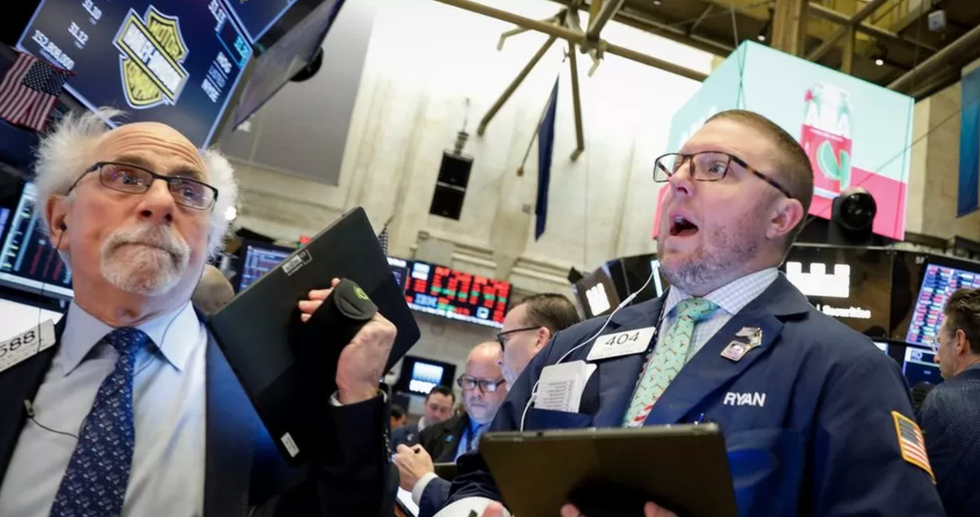 The stock market has been volatile since Trump returned to office | Reuters
She said: "The key question now is whether this shock remains confined to energy, or whether it begins to feed into broader areas such as transport and services."
Against this backdrop, Mr Trump is reportedly weighing an 18.4 cents per gallon reduction to the federal petrol tax ahead of November's midterm elections.
Ms James suggested such a measure would barely dent the roughly one dollar increase in fuel costs since fighting began, whilst potentially draining billions from government coffers monthly.J
Jerome Powell's tenure concludes on Friday, leaving Kevin Warsh to navigate what Ms James described as "something of a fork in the road" with the June policy meeting approaching.