








Ireland's Defence Forces have been deployed to clear heavy vehicles obstructing fuel depots as demonstrations against soaring fuel prices continue for a third consecutive day.
The protests, which commenced on Tuesday with slow-moving convoys on motorways and roadblocks across Dublin and other urban centres, intensified on Wednesday when hauliers and agricultural contractors positioned trucks and tractors at critical fuel infrastructure.
Petrol stations across the country are now depleting their supplies as a direct consequence of the blockades, according to Fuels for Ireland chief executive Kevin McPartland, who described the situation as "profoundly disappointing" given the considerable efforts made to maintain fuel availability since the outbreak of conflict in Iran.
The military has four heavy-lift recovery vehicles ready to assist police in removing the obstructions.
TRENDING
Stories
Videos
Your Say
Justice Minister Jim O'Callaghan issued a stark warning on Thursday morning, saying "the blocking of critical national infrastructure will not be permitted to continue and the assistance of the Defence Forces has been requested".
He cautioned vehicle owners to remove their trucks and tractors immediately, adding they "should not complain later about any damage caused to those vehicles during removal".
Taoiseach Micheal Martin explained the government felt compelled to intervene once demonstrators blocked the Whitegate oil refinery in County Cork and the Foynes fuel terminal in County Limerick.
Defence Minister Helen McEntee, speaking at the Curragh Camp, emphasised that military involvement was "never a first resort".
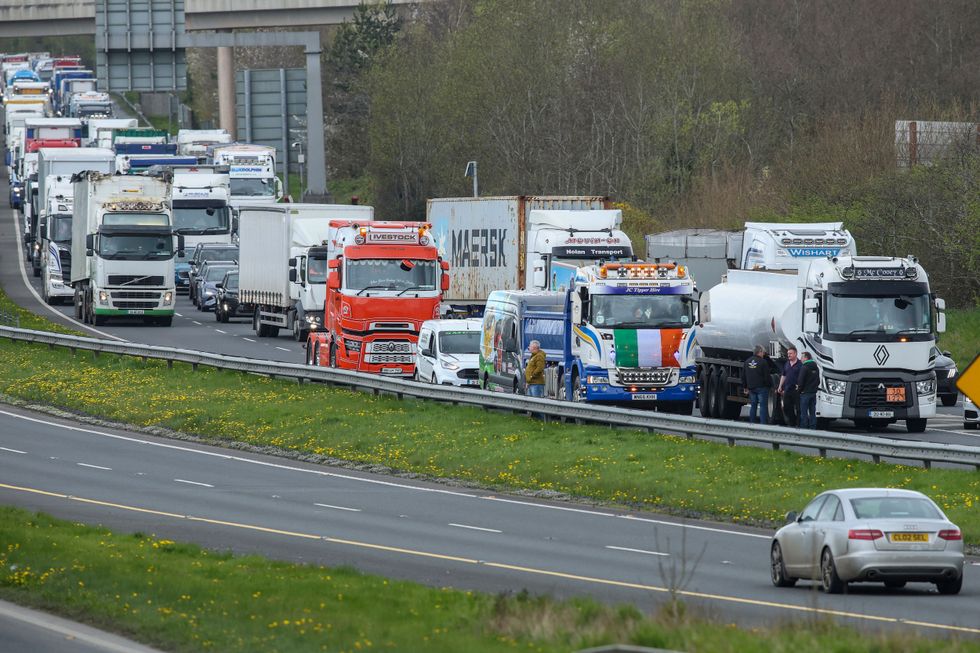
The Irish Defence Forces have been deployed as protests continue in Ireland over rising fuel prices
|GETTY
She insisted the government must "take firm steps" when protesters threaten to shut down businesses, endanger farm animals, and prevent people from reaching hospital appointments.
Deputy Commissioner Shawna Coxon announced at Garda headquarters in Dublin that police are transitioning to "an enforcement phase" unless demonstrators "desist and disperse."
She warned that An Garda Siochana is "advising protesters to immediately cease blockades of such critical national infrastructure or face the full rigours of the law".
Health Minister Jennifer Carroll MacNeill and HSE chief executive Anne O'Connor issued a joint appeal urging protesters to maintain clear access to all medical facilities.
LATEST DEVELOPMENTS:
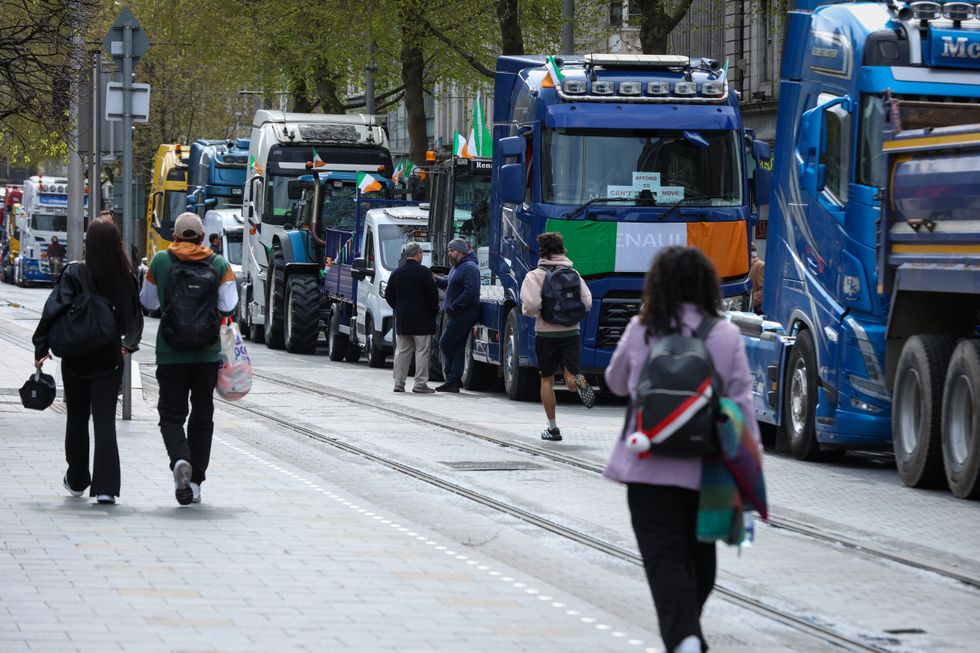
Politicians have issued a firm warning to all those who are participating in the protests
|GETTY
The pair stressed that emergency services, patients with appointments, and healthcare staff must be able to reach hospitals and treatment centres without obstruction.
"Attending hospital or receiving treatment in the community, whether in an emergency situation or for a routine appointment, is a vulnerable time for a patient and their family," they said.
The coordinated demonstrations emerged in response to dramatically increased fuel costs triggered by the conflict in the Middle East, which has disrupted supplies through the Strait of Hormuz.
Agriculture Minister Martin Heydon acknowledged the frustration stemming from "the very high energy shock as a result of the war that has broken out between America, Israel and Iran".
Approximately two weeks prior to the protests, the ruling coalition introduced measures aimed at easing the burden on motorists and businesses, including temporary excise duty cuts and an expanded diesel rebate scheme for hauliers and bus operators.
These interventions delivered reductions of 17 cents per litre for petrol, 22 cents for diesel, and five cents for green diesel.
However, the ongoing conflict largely negated these savings as prices continued climbing.