










Experts have praised Labour's decision to introduce new MOT changes for thousands of drivers across the UK that are set to launch within days.
From June 1, 2026, new electric vans weighing between 3.5 and 4.25 tonnes will be moved from heavy vehicle testing requirements to Class 7 MOT rules.
This will enable vehicle owners and fleets to avoid lengthy MOT test procedures, greater flexibility and impressive savings of up to 60 per cent on MOTs.
Next week, these vehicles will only need their first MOT three years after registration, rather than after the first year.
This is being done to cut red tape for businesses using electric vans as the Government pushes for people to ditch petrol and diesel vehicles as part of net zero measures.
Electric vans are heavier than petrol and diesel vans because of the large van, and have previously been forced to undergo strict requirements.
However, the new rules, which have been backed by industry experts, will now bring electric vans in line with petrol and diesel vehicles for the first time.
Lee O'Neill, operations director at Venson Automotive Solutions, described the law changes as an "extremely positive development" for fleet operators.
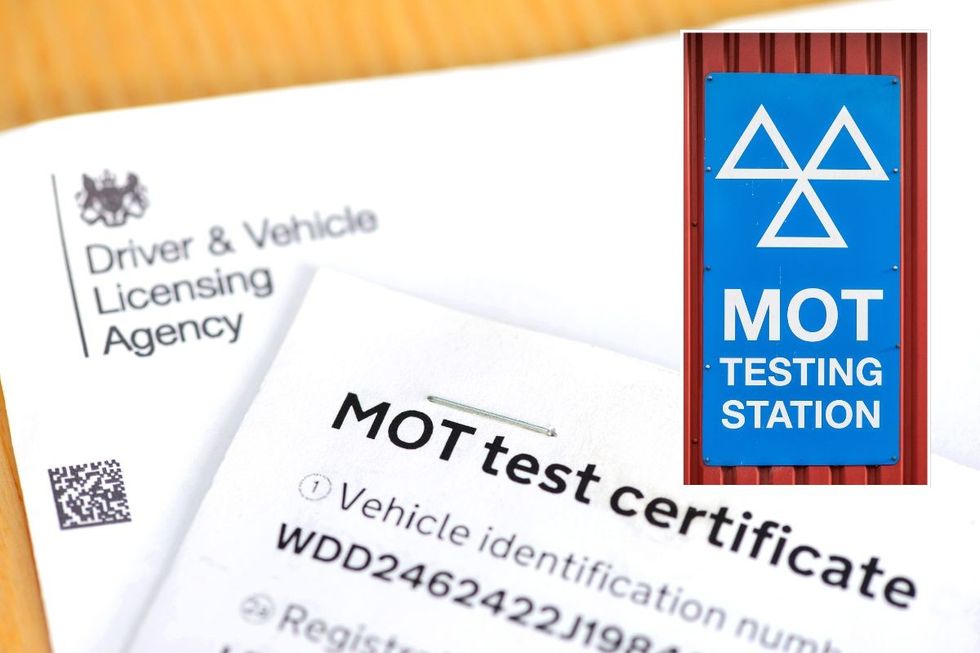 New MOT test rules will launch at the start of June for electric vans | GETTY
He noted that Venson had supported these measures in the Zero Emission Van Plan, which was led by the British Vehicle Rental and Leasing Association.
The Plan, which was developed alongside Logistics UK, Recharge UK, The Association of Fleet Professionals, and The EV Café, aimed to reduce financial burdens for businesses.
It emphasised how the only difference between electric, petrol and diesel vans was the weight of the battery, prompting calls for the change to be introduced.
Mr O'Neill said: "Bringing 3.5 to 4.25-tonne electric vans into the Class 7 MOT system removes a major obstacle to adoption and sends a strong signal that Government is listening to the practical challenges businesses face when transitioning to zero-emission fleets.
LATEST DEVELOPMENTS
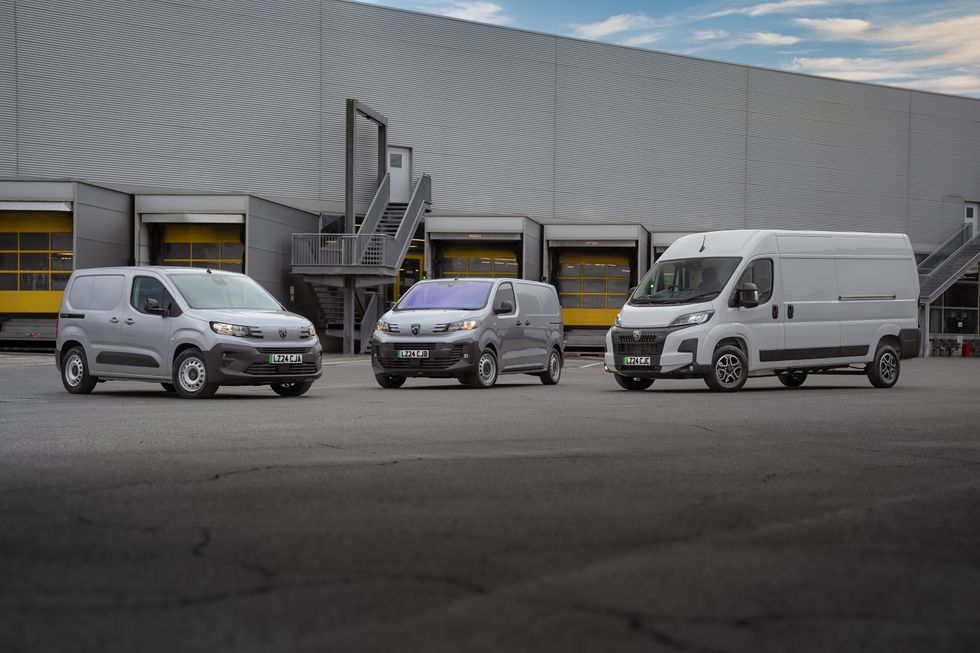 The Government recently announced new grants to help with the rollout of more electric vans | PEUGEOT
"For many businesses, downtime is one of the biggest operational and financial pressures.
"Expanding access to testing centres and reducing reliance on limited heavy vehicle testing slots will make a tangible difference to fleet efficiency and business continuity."
He also highlighted the benefits of not compromising on safety following support from the industry in the Government consultation, backed by "widespread confidence".
Labour has introduced a number of measures for businesses and individual drivers to get behind the wheel of an electric van, including the extension of the Plug-in Vehicle Grant.
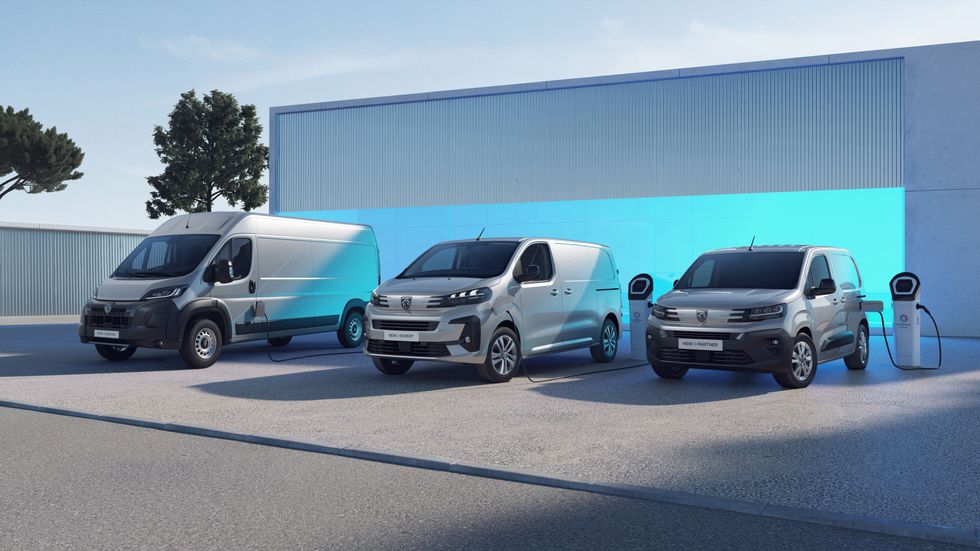
Three Peugeot electric vans are included in the Plug-in Van Grant
| PEUGEOTIncentives allow people to save up to £5,000 off a new zero emission van and a staggering £81,000 discount off the heaviest electric trucks.
Many of the most popular electric vans are already part of the grant scheme, including the Citroen e-Berlingo, the Nissan Townstar, the Vauxhall Combo-e, and the Volkswagen ID. Buzz.
Mr O'Neill concluded: "Reducing MOT costs, administrative complexity and downtime makes electric vans a more attractive proposition for operators of all sizes. It may also strengthen the used electric van market by improving residual values and buyer confidence.
"Ultimately, the reforms represent a welcome example of practical policymaking that supports both sustainability goals and the operational realities facing UK fleet operators."