








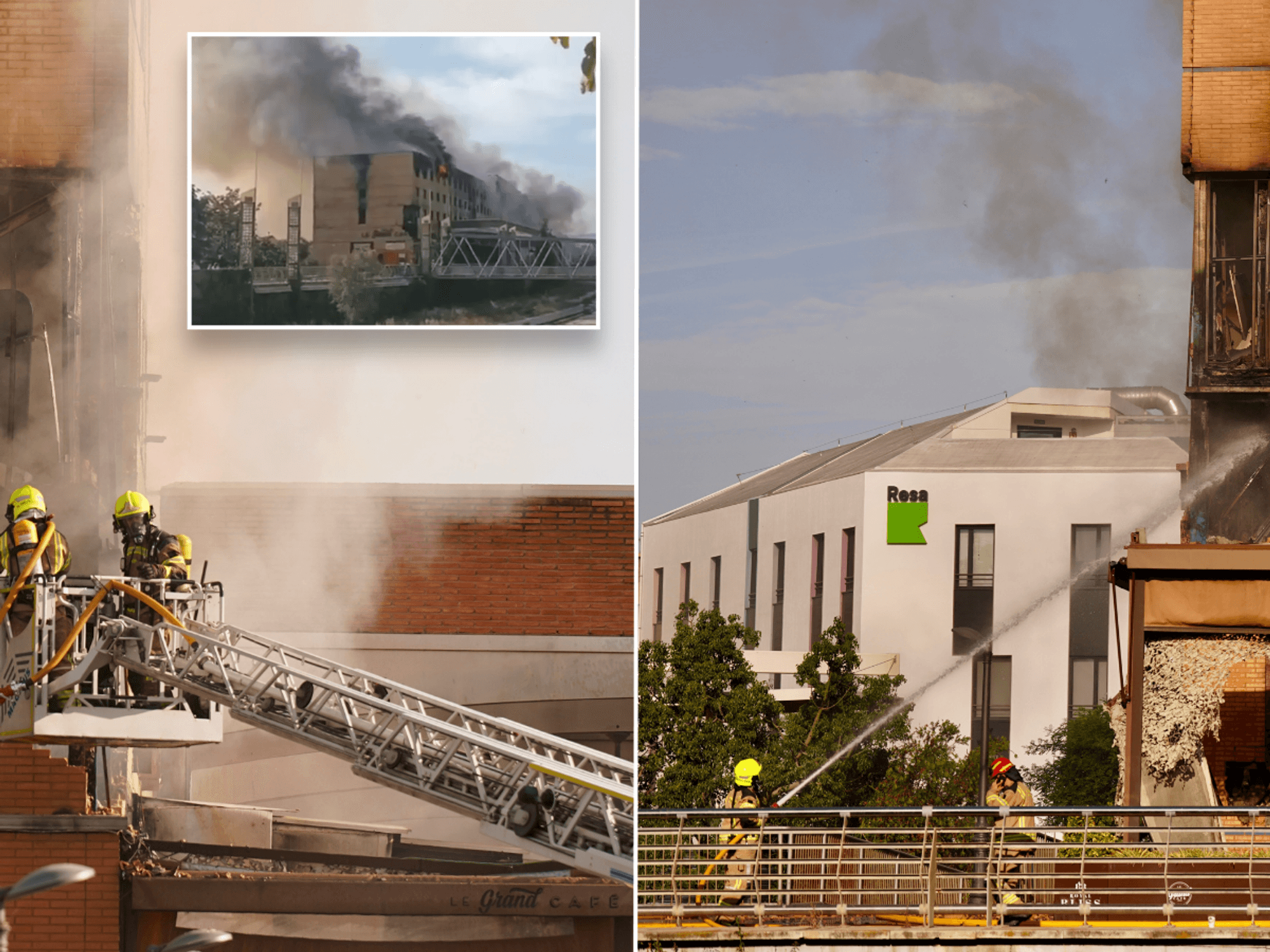


Global temperatures eased in 2025, falling back from the record-breaking highs of last year, according to new figures from Europe’s Copernicus climate service and the Met Office.
The dip has been attributed to the return of the natural La Niña weather pattern in the Pacific, which typically has a cooling effect on global temperatures.
However, despite the year-on-year fall, scientists say recent temperatures remain historically high.
The past three years are still the warmest ever recorded worldwide, keeping the planet close to internationally agreed climate thresholds.
Additionally, the previous 10 years make up the top 10 hottest years on record.
Even with La Niña in place, 2025 was significantly warmer than the same period a decade ago, reflecting what researchers describe as the long-term impact of rising carbon emissions.
Scientists have stressed that individual years can fluctuate due to natural variability, particularly the cycle between El Niño and La Niña.
El Niño conditions helped drive the record heat of 2024 and contributed to high temperatures in 2023, while La Niña is thought to have kept a lid on temperatures in 2025.
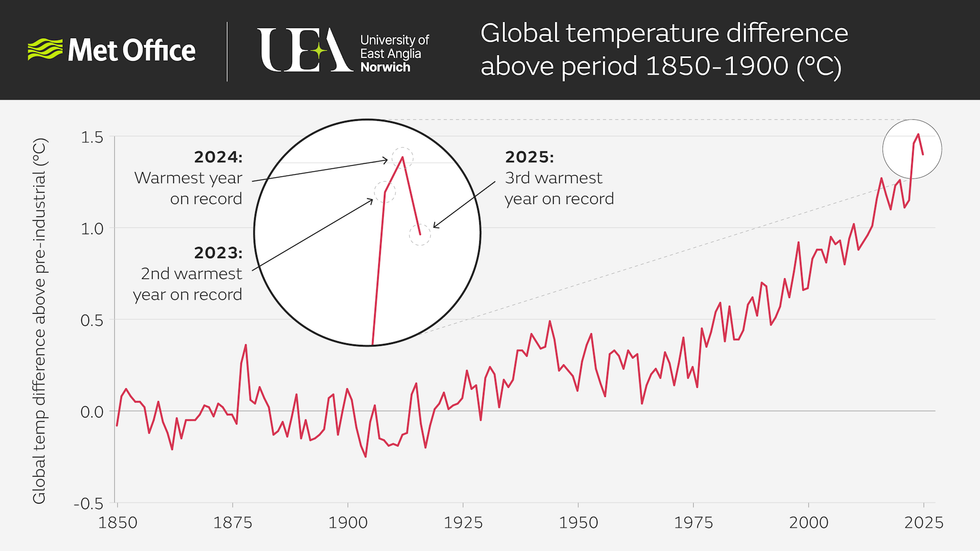
Global temperatures eased in 2025, falling back from the record-breaking highs of last year, according to new figures from Europe’s Copernicus climate service and the Met Office
|MET OFFICE
However, with global temperatures generally rising, Dr Zeke Hausfather of Berkeley Earth said it was “a little worrying”.
Recent years have seen temperature records broken month after month, with the sharp rise in 2023 surprising many scientists and prompting debate over possible contributing factors, including changes in cloud cover and atmospheric particles that reflect sunlight.
“There may still be aspects of what’s driving this warmth that we don’t fully understand,” Dr Hausfather said.
Experts warn that without substantial reductions in greenhouse gases, further temperature records — along with more extreme weather — are likely in the years ahead.
LATEST DEVELOPMENTS
Looking back from the future, today’s figures may not seem remarkable at all.
“If we go twenty years ahead and look back at the mid-2020s, we will probably see these years as relatively cool,” said Dr Samantha Burgess, deputy director of Copernicus.
Data from Copernicus and the Met Office shows the global average temperature in 2025 was around than 1.4C above so-called pre-industrial levels from the late 1800s, before large-scale fossil fuel use began.
While precise measurements vary slightly between climate organisations — largely due to differences in how pre-industrial temperatures are calculated — scientists say there is broad agreement on the long-term warming trend.
Prof Rowan Sutton, director of the Met Office Hadley Centre, said: “If we continue to pump greenhouse gases into the atmosphere, concentrations rise and the planet responds by warming.”
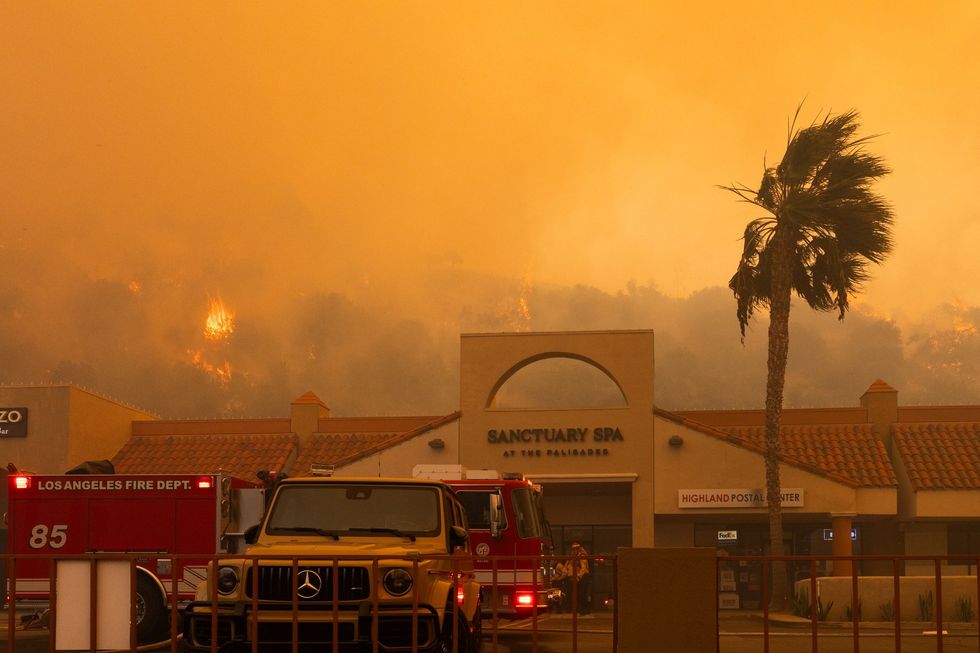
The Los Angeles wildfires in 2025 have been partly attributed to growing global temperatures
|GETTY
Although 2025 did not surpass the previous year’s global temperature record, extreme weather events linked to climate change continued.
Scientists say events such as the Los Angeles wildfires in January and Hurricane Melissa in October were likely influenced, at least in part, by warmer global conditions.
The sustained warmth brings the world closer to breaching the international target of limiting global temperature rises to 1.5C above pre-industrial levels — an agreement signed by nearly 200 countries in 2015 to avoid the most severe impacts of climate change.
Based on current trends, Dr Burgess warned that this threshold could be crossed by the end of the decade.
Despite expectations of further records, scientists insist the future is not fixed.
“We can strongly influence what happens next,” said Prof Sutton, pointing to both cutting emissions and improving resilience as key ways to shape the outcome.
Our Standards: The GB News Editorial Charter