

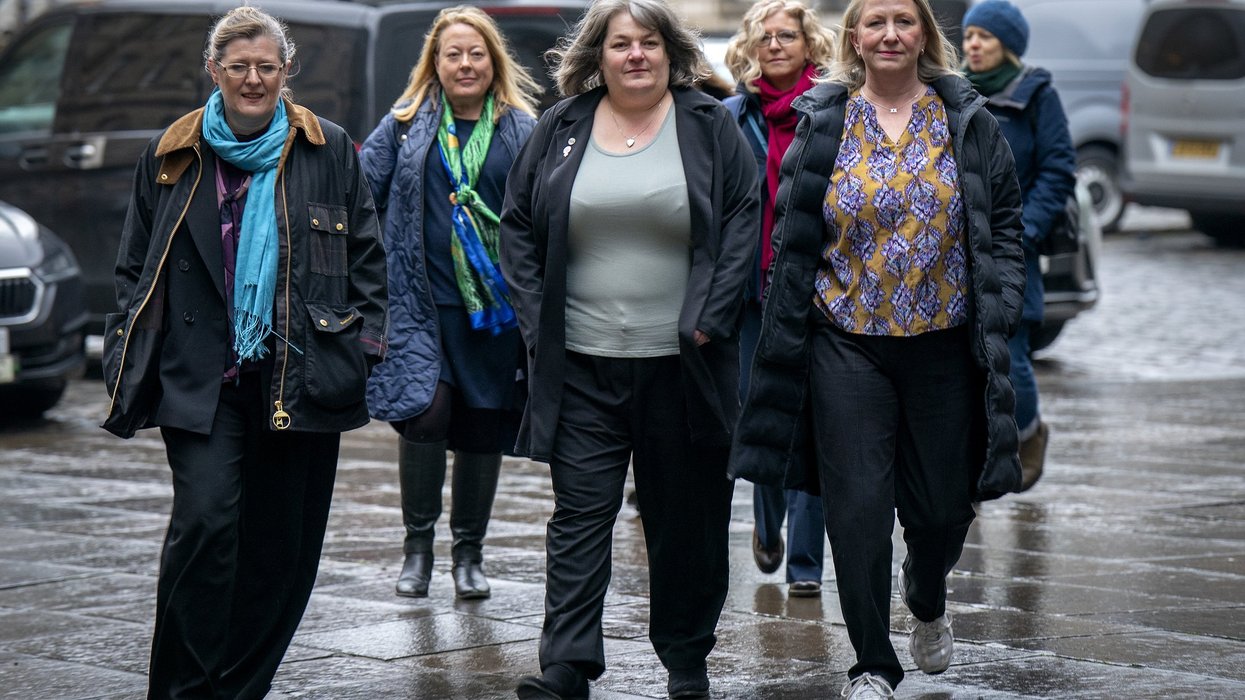








A court room grudge match between the Scottish Government and For Women Scotland has begun in Edinburgh over the continued housing of transgender inmates in Scottish prisons.
The women’s rights group launched a judicial review into the Government’s continued housing of biologically-male prisoners in female prisons despite the unanimous Supreme Court decision in April last year defining gender by biological sex within the framework of the Equality Act 2010.
In Edinburgh’s Court of Session, the Scottish Government is arguing that a “blanket rule” to house transgender convicts in prisons according to their biological sex “would violate the rights of some prisoners”.
Lawyers acting on behalf of the Scottish Government have cited conflicts with the Human Rights Act to explain why some prisoners may require incarceration in a facility contrary to their biological sex.
TRENDING
Stories
Videos
Your Say
For Women Scotland (FWS) pushed back: “The Scottish Government’s argument makes a great deal about the supposed human right of male prisoners to be placed in the female estate but, apparently, they have not considered that women also have rights.”
The judicial review comes three years after the public outcry surrounding transgender double-rapist Isla Bryson - previously Adam Graham - being initially incarcerated at HMP Cornton Vale women’s prison, before being housed permanently in a male prison.
In December of that year, the Scottish Prison Service updated its guidelines to ensure only “exceptional” circumstances would prevent a trans woman convicted of hurting women or girls from being sent to a men’s jail.
During Tuesday’s hearing, Judge Lady Ross readily tested the petition from For Women Scotland.
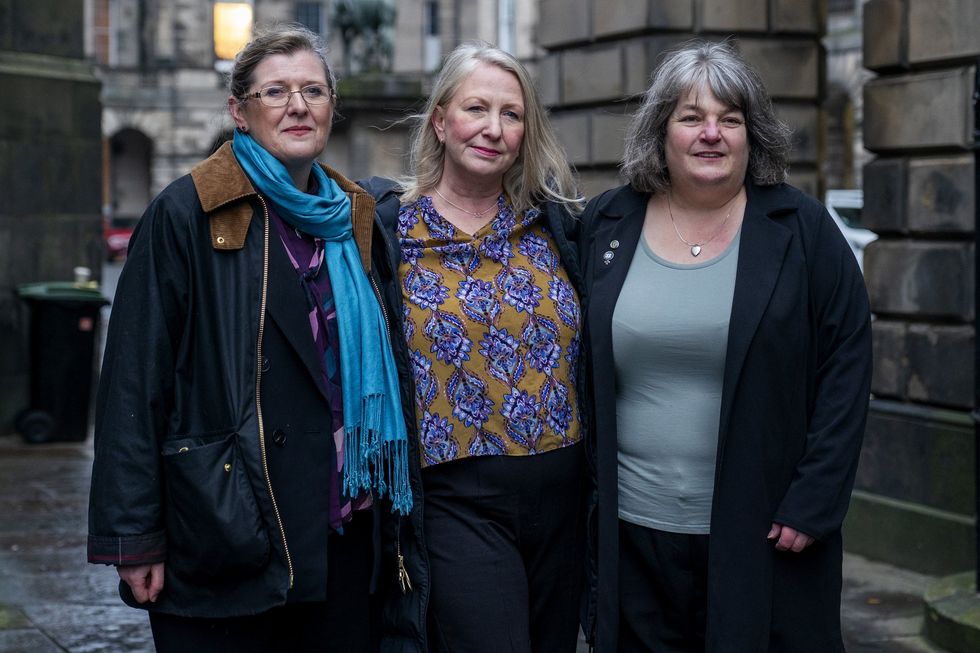
For Women Scotland claims the Scottish Government 'has not considered that women also have rights'
|PA
Speaking for the group, barrister Aidan O’Neill KC told Lady Ross the Government’s response “lacks legal substance”.
He said it was “of the utmost significance” the Government’s concerns of impinging on the human rights of transgender prisoners was not supported by any Strasbourg case law.
“We have three days of legal argument,” he said, “so surely they must have a case to argue?
“But there is no Strasbourg law to argue. So what is their case? Who knows.”
In a later reference to the lack of human rights case law, he told Lady Ross, “Scottish Ministers can’t challenge a policy by reference to hypotheticals”.
LATEST DEVELOPMENTS:
Conversely, the KC relayed the case made by For Women Scotland was “entirely straightforward” and argued Scottish Ministers were “statutorily obliged to provide specific and separate prison accommodation for women”.
Aidan O’Neill KC continued characterising Scottish Government policy as giving tremendous sensitivity to the rights of self-identifying transgender females while “highlighting the lack of consideration for women’s rights”.
Lady Ross took several opportunities to flip the tables on the KC’s reasoning for preventing violent biological male prisoners from being housed in female prisons.
“What about a non-violent [biological female] prisoner at risk in a male prison?” she asked.
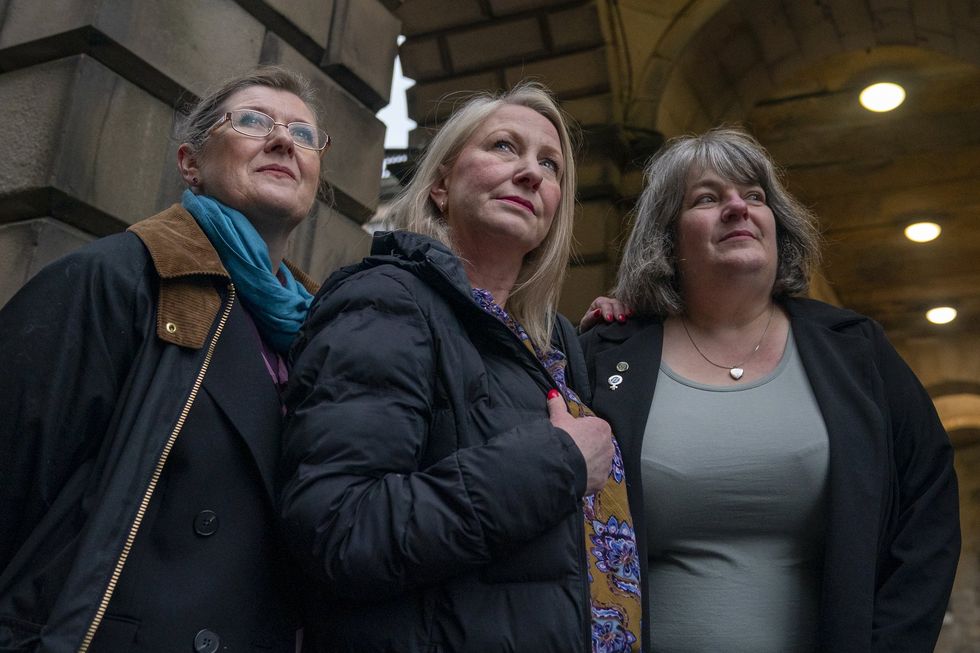
Speaking for the group, barrister Aidan O’Neill KC said Government’s response 'lacks legal substance'
|PA
Mr O’Neill suggested that 80 per cent of trans-male prisoners being incarcerated in male facilities evidences that “the Scottish Prison Service must have decided that putting men in the men’s estate is not a breach of human rights”, despite the ministerial argument focusing on protecting those rights.
In response to Lady Ross further quizzing the KC to apply his argument to transmen being imprisoned in female prisons, Mr O’Neill claimed that a “woman identifying as transgender is not as dangerous, big, threatening and dominating as a man identifying as transgender.
“It’s not the same.”
With biological males in female prisons being FWS’s chief concern, the KC raised the controversial prospect of a “third space”, specifically for transgender female prisoners.
Describing the exchange with Lady Ross as “rather far into hypotheticals”, the barrister reiterated that the petitioners’ case was about protecting the female prison estate and later clarified his position that the circumstances surrounding trans-male and trans-female prisoners were “not symmetrical”.
“The hypothetical of a woman that is a danger - whether they are transgender or not - is a management issue for the Scottish Prison Service.”
The Scottish Government maintains that biological men in women’s prisons “has not given rise to any significant operational issue in the prisons in which they have been detained”.
Submissions from Scottish Ministers reference some individual transgender inmates, including some who have obtained a gender recognition certificate, lived in their assumed gender “for decades” and a trans-male with a masculine appearance.
Ministers say their rebuttal to For Women Scotland’s judicial review petition is “informed by evidence”.
The Scottish Government has defended its “well-founded concern that being required to adopt a policy that a gender prisoner can never be held in a prison for the opposite biological sex could give rise to an unacceptable risk of harm”.
Aggrieved at the Government’s slow response to the Supreme Court ruling on the definition of a woman, For Women Scotland has said: “Rather than admit they were wrong and accept the Supreme Court ruling, Scottish ministers prefer to play dangerous games with women’s lives and safety.”
For Women Scotland’s judicial review petition is expected to be heard over three consecutive days at the Court of Session.
More From GB News