





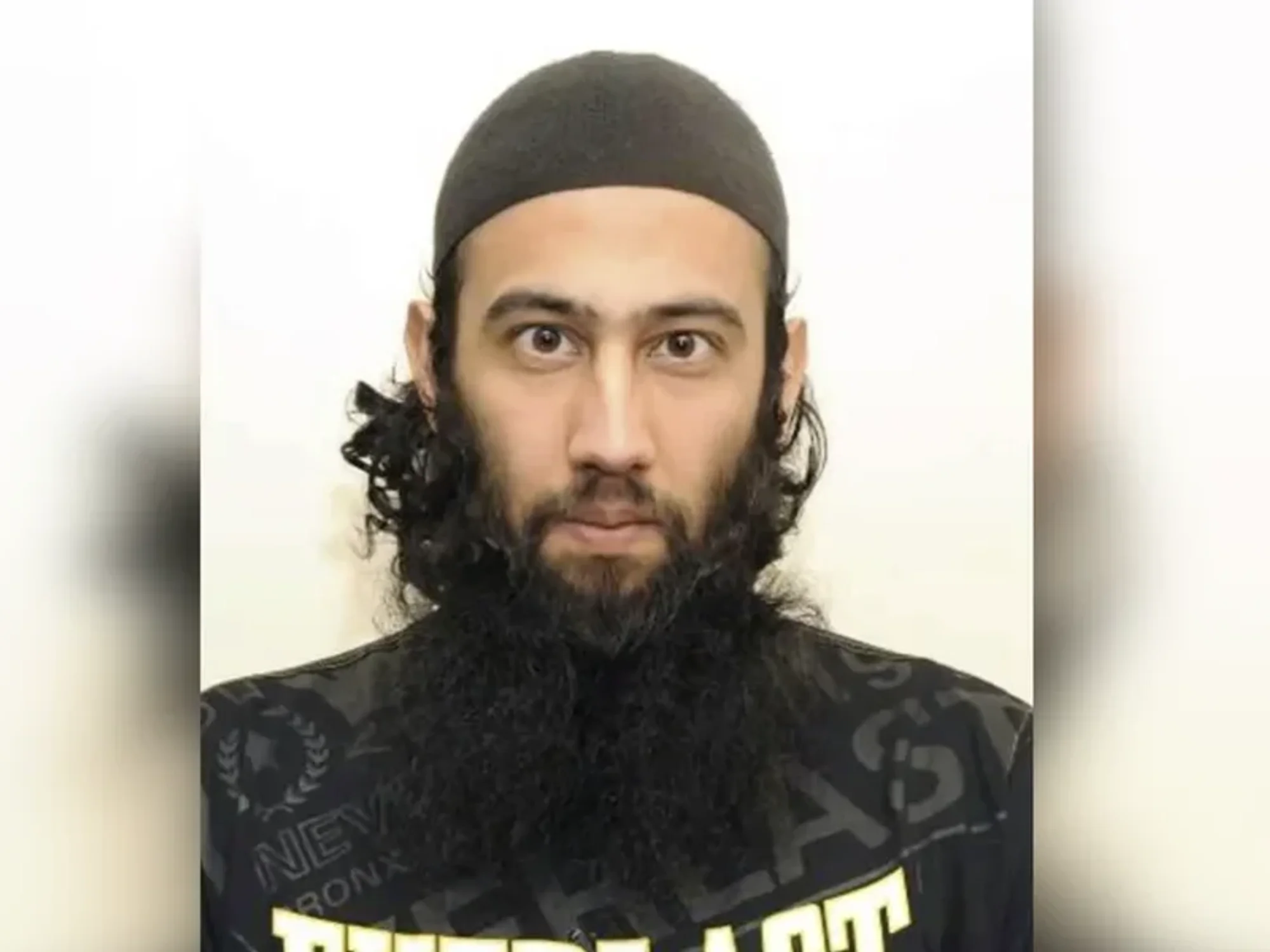

A former Royal Navy officer is leading a campaign to have the veteran status of former service personnel recognised as a protected characteristic.
Stuart Fawcett has launched a petition, hoping to press the Government to take action and prevent the continued “discrimination and disadvantage” faced by Britain’s veterans.
Mr Fawcett joined the Navy at age 18 and became one of the service’s youngest commissioned officers. However, a serious injury meant he was medically discharged in his early 20s.
“I faced a lot of disadvantages because of my service,” he told GB News, adding, “I see it across our society.”
TRENDING
Stories
Videos
Your Say
Since his own difficult experiences of returning to civilian life, Mr Fawcett has become an advocate for his fellow veterans, which led him to his current campaign.
Under the Equality Act 2010, a protected characteristic is a personal attribute that the law specifically protects from discrimination, harassment and victimisation in areas such as employment, education, housing and the provision of goods and services.
Traits currently falling under this umbrella are age, race, sex, disability, religion, marriage, pregnancy, sexual orientation and gender reassignment.
Currently, the Armed Forces Covenant (AFC) exists to ensure that members of the Armed Forces community are treated fairly and have fair access to public and commercial services, with special consideration where appropriate.
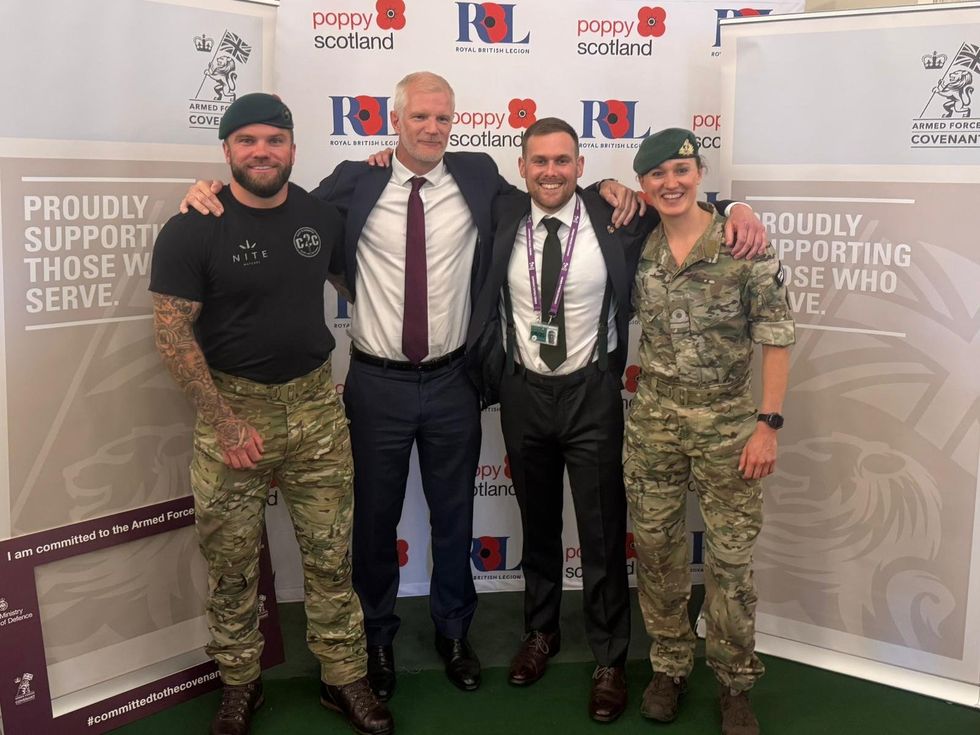
Former Navy officer Stuart Fawcett, second from right, has launched a campaign to protect veterans from discrimination
|STUART FAWCETT
However, Mr Fawcett argued that the Covenant failed in practice as it is a moral obligation, not legally binding.
“The Armed Forces covenant is all about preventing that by creating equity, essentially, and that's what it's supposed to do. However, it can just be disregarded,” he explained.
“Many times, especially in health and social care, where I'd speak to them about the Armed Forces Covenant, and they just didn't act on it, even though they signed it… because it was voluntary."
The former Navy man also saw this when he had his own brush with homelessness, where his service meant very little in trying to secure accommodation.
LATEST DEVELOPMENTS
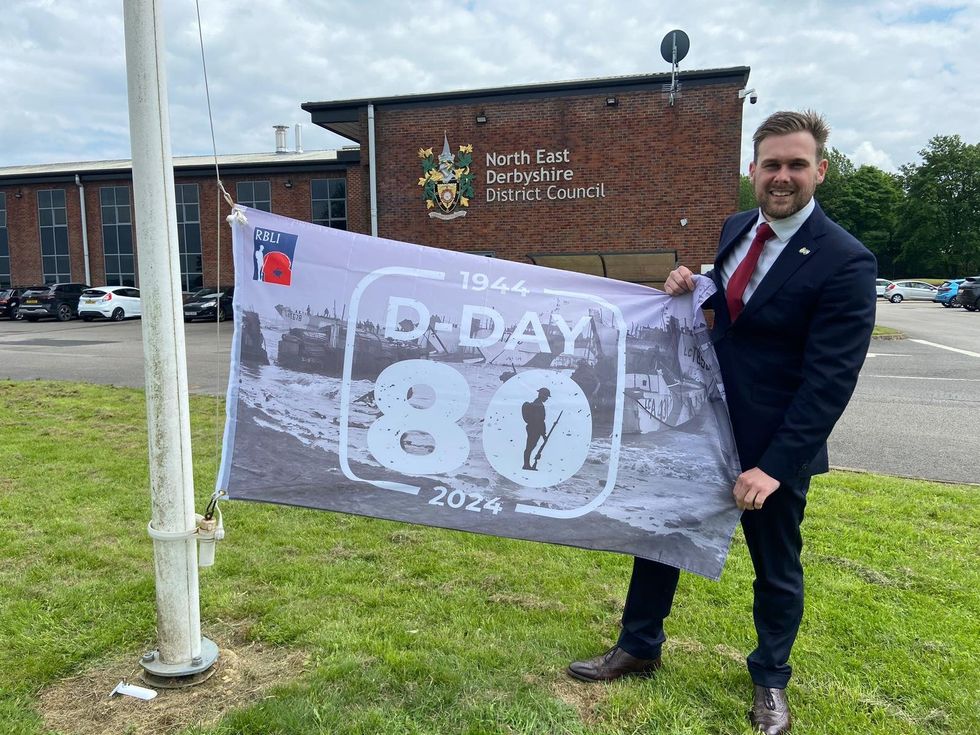
The former Royal Navy officer is seeking to have the veteran status recognised as a protected characteristic under The Equality Act 2010
|STUART FAWCETT
“There was no, and I don't think there's ever going to be any recourse. Whereas, if you have a similar thing with race, gender, ethnicity, or anything like that, marriage, or all those other things in an applicable situation, there is recourse because you breach somebody's rights under the Equality Act,” Mr Fawcett explained.
If the petition was successful and the Government followed its recommendations, this recourse would exist through mandating a legal obligation for public and private organisations to protect veterans.
Beyond any moral obligation, Mr Fawcett stressed that veterans were hugely valuable members of society when properly embraced.
“If we prevent the disadvantage, they can contribute to our society a lot better. Anyone trained by the military has had so much money spent on them. They've got incredible skills. We don't want to see them falling by the wayside,” he declared.
Delving in deeper, Mr Fawcett detailed that a person’s experience in the armed forces was so fundamental that it was akin to the traits already protected under the 2010 Act.
“When you go through military training and military service, it affects your character and your lifestyle.
"So the way you approach things in life... I'm hesitant to use the word institutionalisation, but it has a cultural impact on the way you operate and also how you access ordinary life.
“For example, a lot of people have moved around a lot in military service, or they're very used to having an organised structure and infrastructure around them, which isn't really there in civilian life.
"So you're used to a completely different operating within a completely different operating system... And that's a big adjustment challenge for everybody.
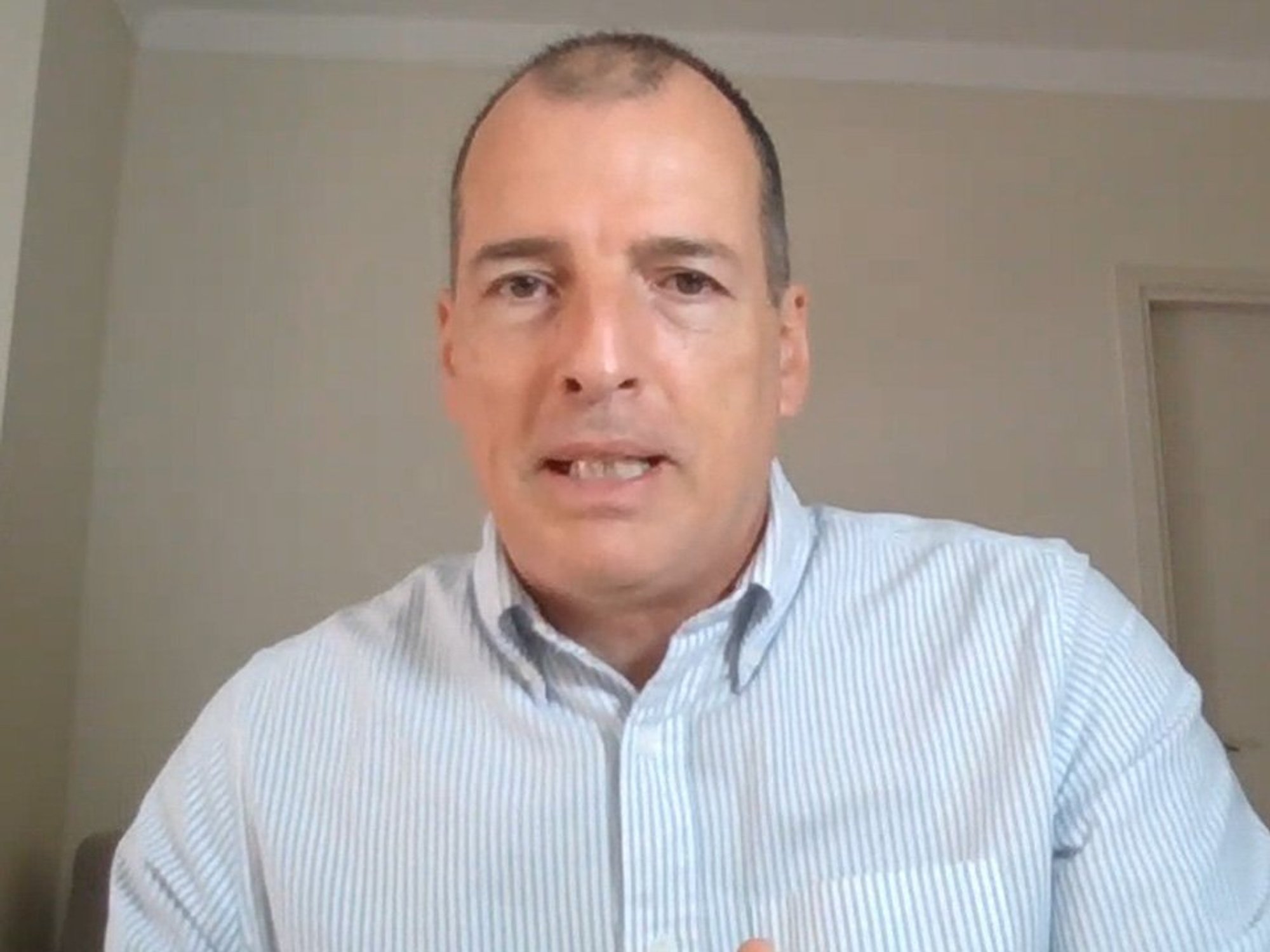
“If I meet someone and I get the feeling they've been in the military, there's an automatic recognition there. We all carry it, doesn't matter what service you're in,” he told The People’s Channel.
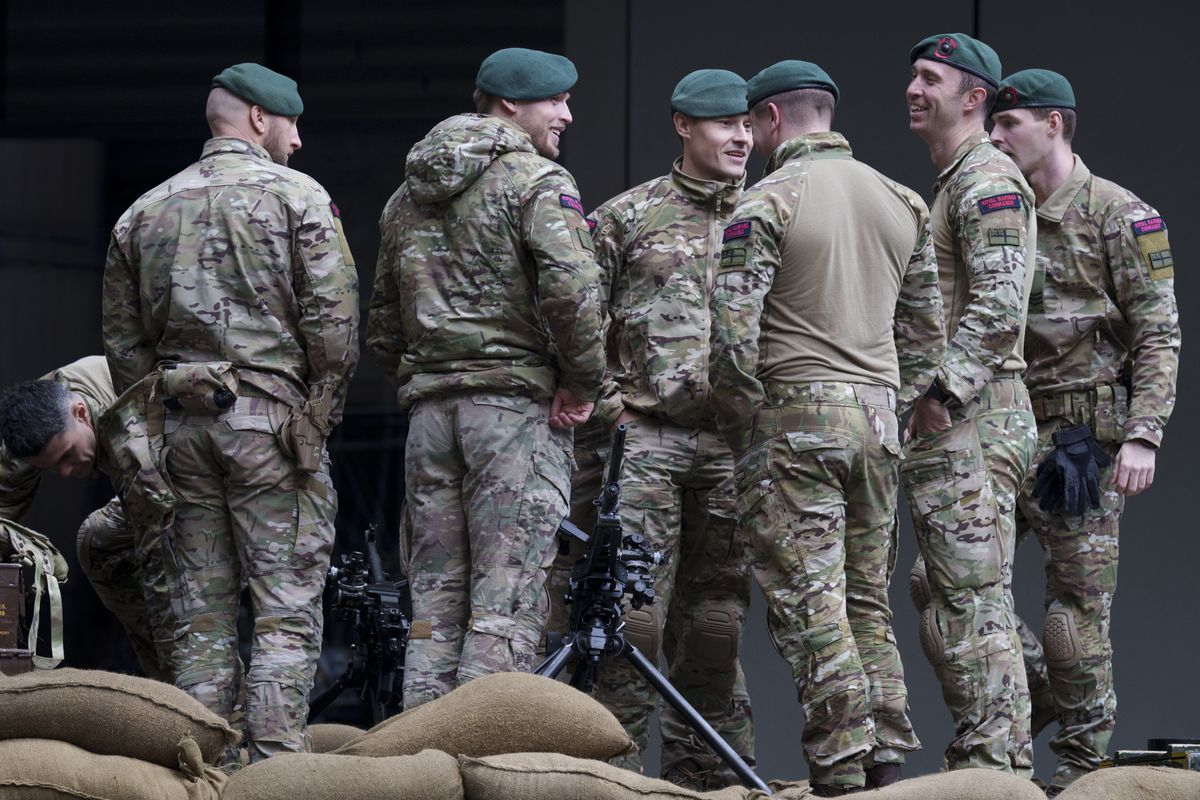
Mr Fawcett explained that adjusting to civilian life can be very difficult for some service personnel
|GETTY
This difficulty in adjustment for some can lead to brushes with the law, with Mr Fawcett estimating that as much as five per cent of the British prison population were ex-service personnel.
Working with the charity Care after Combat, Mr Fawcett speaks with veterans in the justice system.
“When you speak to them, when I hear their life stories, I can pinpoint the moment where you go, if only there had been intervention, then perhaps we wouldn't be here now, because for the vast majority of those guys, they've done one wrong thing,” he said.
In some prisons, inmates are recognised as veterans, but like the obligations of the AFC, it appears to make little or no change.
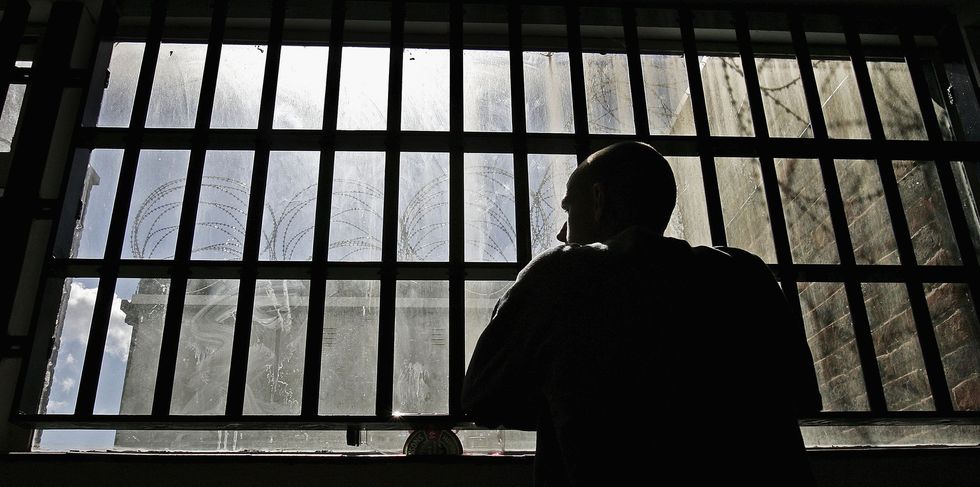
Mr Fawcett also focused on veterans who had become imprisoned after serving
|GETTY
Mr Fawcett stressed he was “not about making excuses” for criminality but added: “I often think if the Armed Forces Covenant could have made some sort of intervention... they wouldn't be here now.”
“We don't want (veterans) in the justice system. We want to contribute to society, not costing us money, and realising the investment for a lifetime in them,” he added.
Mr Fawcett explained that the timing of his campaign was critical ahead of this year’s Armed Forces Bill.
In June 2025, Prime Minister Keir Starmer announced that legislation to expand the Armed Forces Covenant Duty to central government and the devolved administrations would be included in the new bill.
Our Standards: The GB News Editorial Charter
More From GB News