








A federal judge in Minneapolis has issued a ruling that curtails the methods immigration enforcement officers can employ when dealing with peaceful demonstrators in the city.
The decision bars Immigration and Customs Enforcement (Ice) agents from holding drivers or passengers in vehicles unless officers possess reasonable suspicion that those individuals are obstructing or interfering with official operations.
According to the ruling, merely following agents "at an appropriate distance does not, by itself, create reasonable suspicion to justify a vehicle stop".
Judge Menendez determined that officers cannot take people into custody without probable cause or reasonable suspicion an individual has committed an offence or was impeding law enforcement activities.
TRENDING
Stories
Videos
Your Say
Legal representatives for the government contended Ice officers had been operating within their lawful powers to enforce immigration legislation and ensure their own safety amid clashes with local demonstrators.
The case centres on allegations that federal agents have been overstepping their authority when confronting residents who protest against immigration enforcement operations in the Twin Cities area.
The ruling establishes clearer boundaries for what constitutes lawful grounds for detention during such encounters, offering greater protection to those exercising their right to protest.
The American Civil Liberties Union of Minnesota acted on behalf of the activists at the heart of the legal challenge, asserting that government officers have been breaching the constitutional rights of Twin Cities residents.
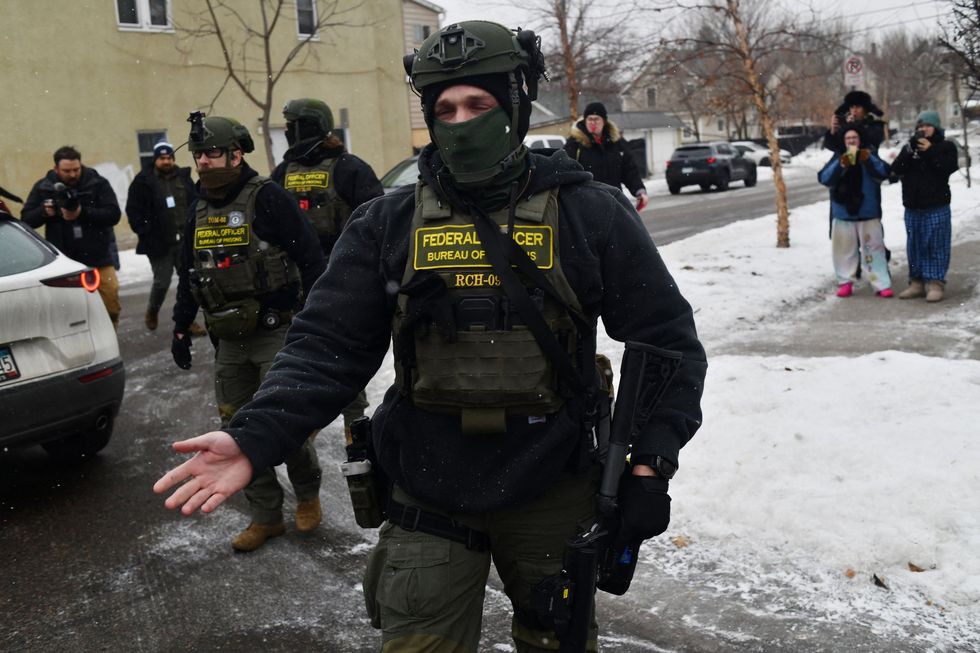
Ice agents cannot take people into custody without probable cause or reasonable suspicion an individual has committed an offence under the court ruling
|GETTY
The ruling comes nearly two weeks after the Trump administration announced the deployment of 2,000 immigration agents to the city of Minneapolis in the state.
The surge in heavily armed officers from Ice has since grown to nearly 3,000, dwarfing the ranks of local police officers in the area.
Tensions over the deployment have mounted considerably since an Ice agent fatally shot 37-year-old Renee Good, behind the wheel of her car.
At the time, the mother of three was taking part in one of numerous neighbourhood patrols organised by local activists to track and monitor Ice activities.
The White House has defended the actions of the Ice officer and said they used their fire arm in self-defence.
President Donald Trump described Ms Good as a "professional agitator" who was "very violent" and "very radical".
MORE ON DONALD TRUMP'S AMERICA
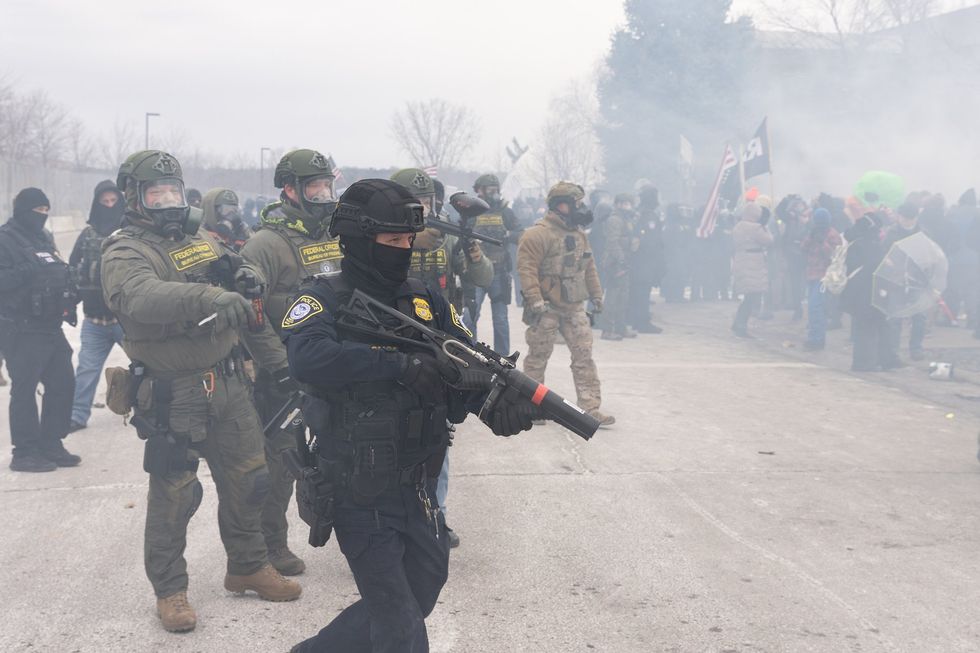
Ice officers have used tear gas in Minnesota in a bid to disperse some protesters they have seen as interfering with their job
|GETTY
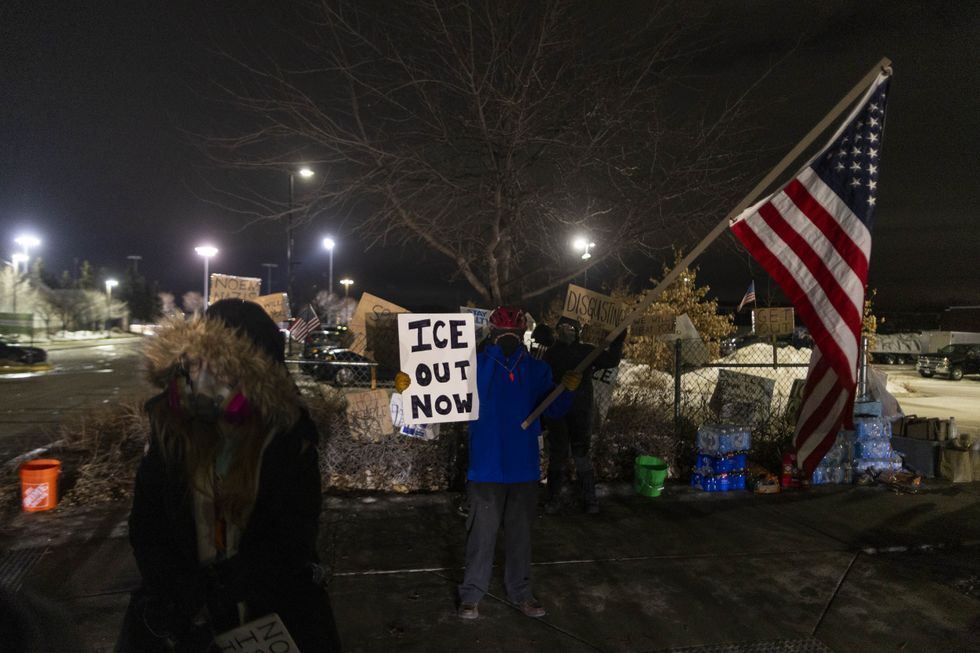
Minnesota pro-immigration protesters have demonstrated against the deployment of Ice to the state
|GETTY
Judge Menendez is simultaneously overseeing a separate legal action brought forward on Monday by Minnesota state authorities alongside the cities of Minneapolis and St Paul, which seeks to halt the enforcement crackdown.
Several legal questions overlap between the two cases. However, the judge declined during a Wednesday hearing to grant an immediate temporary restraining order that state officials had requested.
State Assistant Attorney General Brian Carter told the court: "What we need most of all right now is a pause.
"The temperature needs to be lowered."

President Donald Trump described Renee Good as a "professional agitator" who was "very violent" and "very radical"
|REUTERS
The judge acknowledged the matters raised by state and city authorities are "enormously important" but noted they involve significant constitutional and other legal complexities.
She observed that certain issues before the court lack substantial precedent to guide decision-making.
Judge Menendez has directed both parties to submit further legal briefs during the coming week.
The decision allows for more thorough examination of the weighty questions at stake before proceeding further with the state's case.
More From GB News