







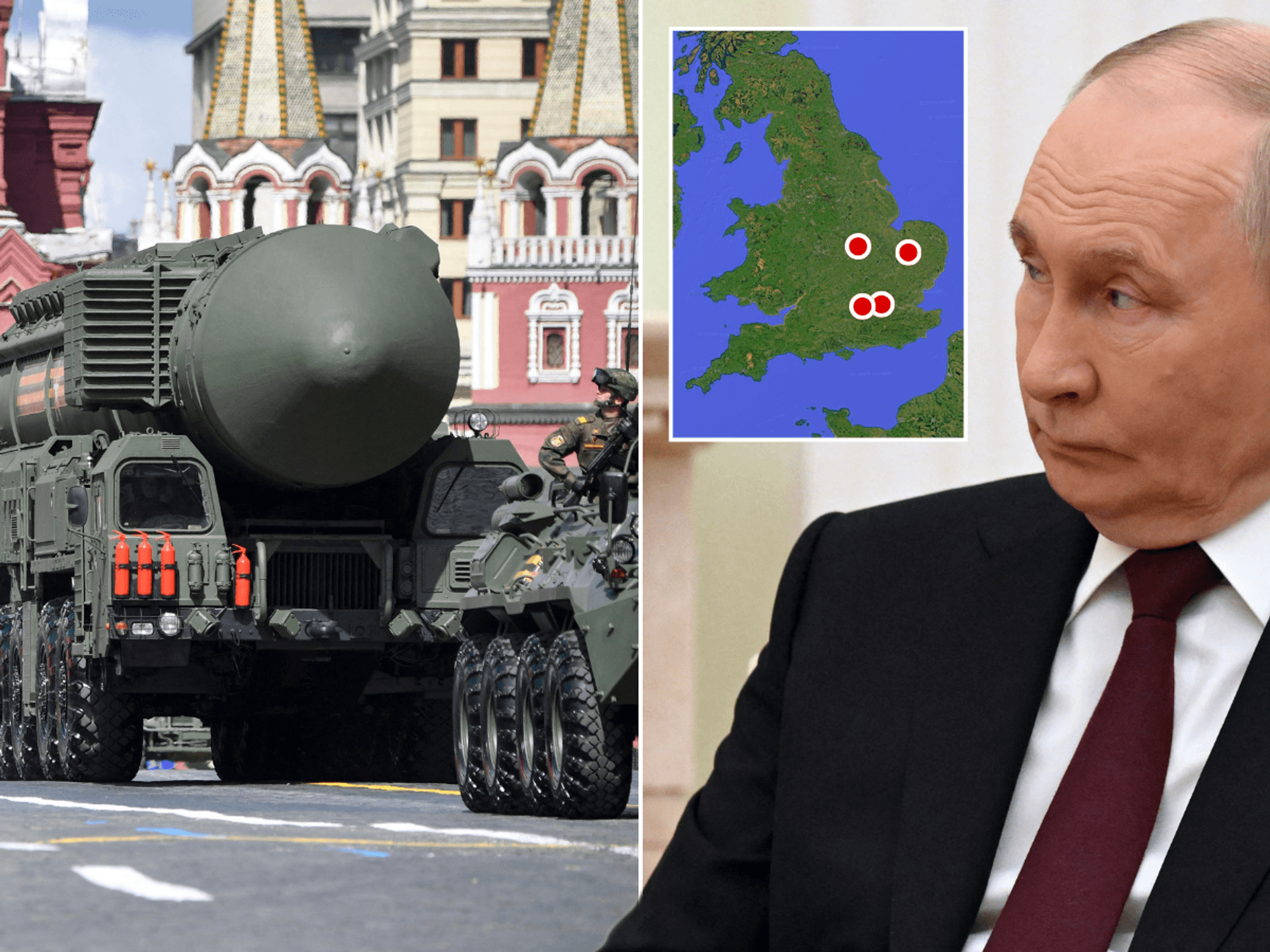

Ministers are set to unveil legislation that would enable the rapid deployment of tens of thousands of ex-military personnel in preparation for potential conflict.
The proposed changes would extend the period during which former service members can be summoned back to duty by a full decade.
Under the new framework, the upper age limit for the strategic reserve—comprising former armed forces personnel rather than civilian volunteers—would rise from 55 to 65.
Additionally, the Government plans to lower the conditions required to call up these reservists.
Present regulations permit mobilisation only when facing "national danger, great emergency or attack in the UK," but the revised threshold would be "warlike preparations."
Parliament will receive the armed forces legislation later today.
These measures come as the Government faces mounting pressure on multiple fronts to bolster Britain's military preparedness.
Russia's ongoing war in Ukraine represents the most immediate catalyst, while Donald Trump's return to the White House has intensified concerns about the reliability of American security guarantees.
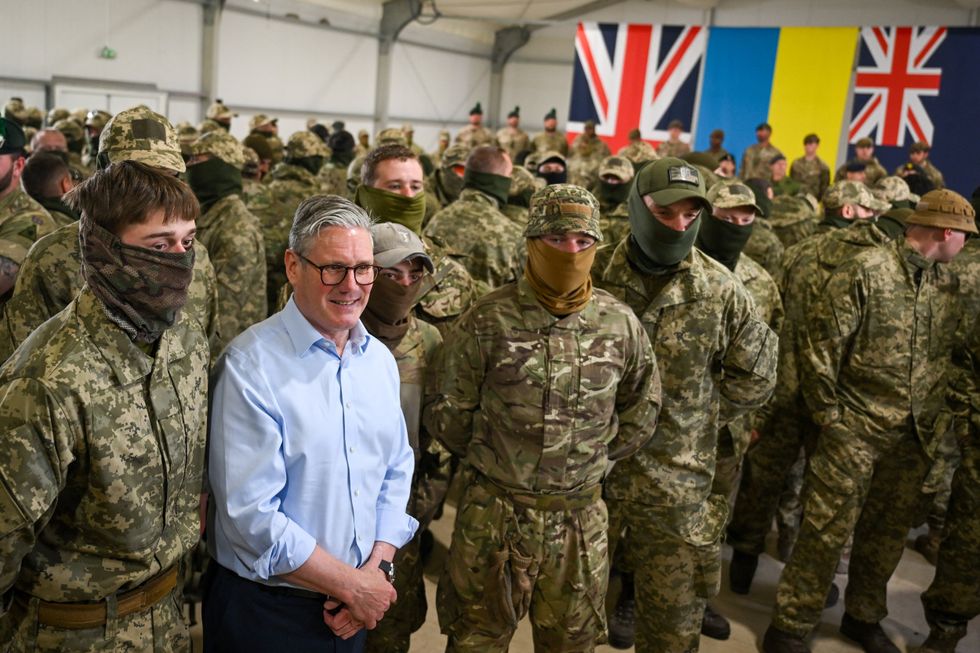
A new framework will be set out by the Government
|PA
The Government has not disputed reports that Chief of the Defence Staff Sir Richard cautioned both the Prime Minister and Chancellor about a projected £28bn gap in defence spending plans shortly before Christmas.
Ministers regard elements of the forthcoming legislation as essential to broader discussions about the nation's readiness for conflict.
The Strategic Defence Review last year urged the government to strengthen its ties with the strategic reserves, a force estimated at approximately 95,000 personnel.
Speaking in parliament alongside the publication of a new national security strategy, Cabinet Office minister Pat McFadden warned that Britain must "actively prepare for the possibility of the UK coming under direct threat, potentially in a wartime scenario."
LATEST DEVELOPMENTS
McFadden told MPs the country had entered "an era in which we face confrontation with those who are threatening security," identifying Russia's assault on Ukraine as "the most obvious and pressing example of this."
The strategy document highlighted additional threats facing the nation.
Iranian hostile activity on British soil was cited as a concern, alongside warnings about adversaries seeking ways to disrupt the country's energy infrastructure and supply chains.
Labour has committed to raising overall defence expenditure from 2.3 per cent to 2.5 per cent of national income by 2027, an increase that would cost an extra £6bn annually.
The party has also pledged that spending will reach 3.5 per cent by 2035.
Trump's threats to withdraw American protection from NATO member states have prompted further commitments from Downing Street.
Prime Minister Sir Keir Starmer has pledged to meet a new NATO target requiring five per cent of the UK's GDP to be allocated to national security by 2035.
The legislative changes affecting reservists, which include technical provisions requiring periodic government renewal, would take effect next year subject to parliamentary approval.
More From GB News