










While statins are considered the cornerstone of cholesterol treatment, those hesitant to take pills may want to take a closer look at what's on their plate.
Dr Eve Elizabeth Pennie, MD, says reducing cholesterol levels within a matter of weeks is entirely achievable without pharmaceutical intervention when the elevated cholesterol stems from dietary factors.
The physician explained to GB News that targeted lifestyle modifications can yield meaningful results in as little as four weeks, but cautioned that expectations must remain grounded in reality.
"A reduction of approximately five to15 per cent is a reasonable short-term goal, with larger changes more likely with several months of consistent adherence," Dr Pennie stated.

Boosting soluble fibre intake should be made a top priority for lowering cholesterol
|GETTY
The extent of improvement varies according to an individual's starting cholesterol readings, genetic makeup, body weight, and commitment to behavioural changes.
When it comes to dietary adjustments, the evidence strongly supports their effectiveness in swiftly bringing down LDL cholesterol, Dr Pennie noted.
Cutting back on saturated fats found in red meat, full-fat dairy products, butter, and processed foods should be a priority, as these items directly elevate harmful cholesterol levels. In addition, boosting one's intake of soluble fibre should be made a top priority.
"Foods such as oats, barley, beans, lentils, apples, and psyllium can produce measurable reductions in LDL cholesterol within weeks," the doctor explained.
This fibre works by binding to bile acids within the digestive system, thereby encouraging the body to excrete excess cholesterol.
Swapping saturated fats for unsaturated alternatives represents another effective strategy for improving one's lipid profile.
Dr Pennie recommended incorporating olive oil, nuts, seeds, and oily fish into one's regular diet to support healthier cholesterol readings.
LATEST DEVELOPMENTS
"Plant sterols and stanols found in fortified foods can further lower LDL by reducing intestinal cholesterol absorption," she added.
The physician also advised steering clear of processed carbohydrates and foods laden with added sugars.
These items not only contribute to unwanted weight gain but also negatively affect lipid levels, making them counterproductive for anyone seeking to manage their cholesterol through dietary means alone.
Beyond dietary modifications, other lifestyle changes can meaningfully influence cholesterol readings within a relatively brief period.
Physical activity plays a crucial role, with Dr Pennie recommending at least 150 minutes of moderate-intensity aerobic exercise weekly, such as brisk walking or cycling, to enhance lipid metabolism.
Please write at least 4 paragraphs
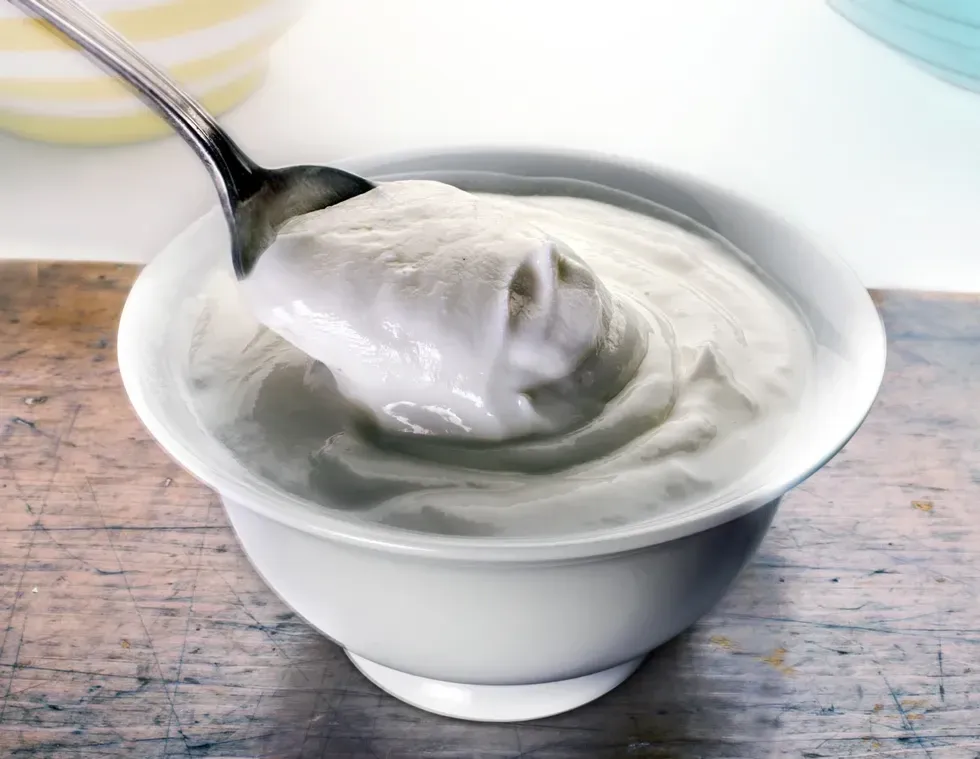
Plant sterols and stanols found in fortified foods can further lower LDL
| GETTYGetting sufficient rest also matters considerably, as proper sleep maintains hormonal equilibrium and reduces metabolic strain that can worsen cholesterol levels.
Managing stress deserves attention too, given that prolonged tension raises cortisol, which promotes unfavourable lipid changes.
"Techniques such as mindfulness, structured relaxation, and consistent daily routines can support short-term improvements in metabolism," Dr Pennie advised.
Our Standards: The GB News Editorial Charter