








The Government’s plan to ban children from social media could be derailed by a High Court challenge over the consultation meant to shape the policy.
Parents have threatened legal action over the consultation after claiming it allows tech giants such as Google and Meta to access the personal data of those taking part.
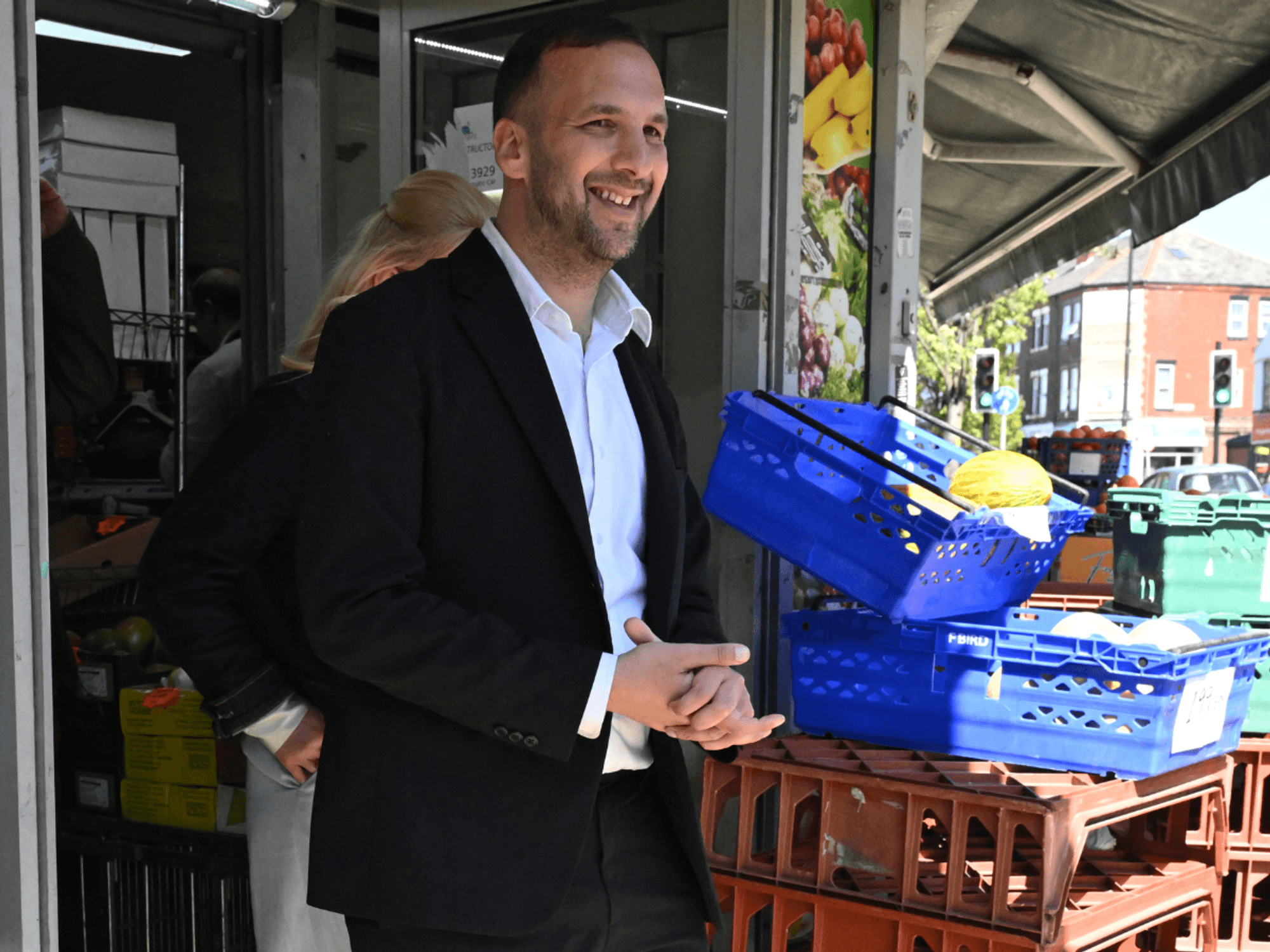
Fathers Harry Amies and Pete Montgomery have instructed lawyers to challenge the scheme run by Liz Kendall's Department for Science, Innovation and Technology (DSIT).
Their legal team has sent a formal pre-action letter warning ministers they will launch a judicial review unless urgent changes are made within 14 days.
TRENDING
Stories
Videos
Your Say
The parents are taking action over the Government’s national consultation titled “Growing Up in an Online World”, launched this month, which seeks public views on how to protect children online - including whether social media should be banned for under-16s.
Parliament is still debating whether children’s access to social media should be restricted following proposals put forward during scrutiny of the Children’s Wellbeing and Schools Bill.
Ministers have instead suggested giving the Government flexible powers to introduce measures such as curfews or time limits for younger users, disabling features widely criticised as addictive - such as infinite scrolling and autoplay - and strengthening enforcement of duties already contained in the Online Safety Act.
The consultation is intended to help decide what action the Government should take.
However, the legal case argues the consultation process itself is flawed because parents and children responding to two key surveys must accept a privacy policy allowing their data to be shared with major technology firms.
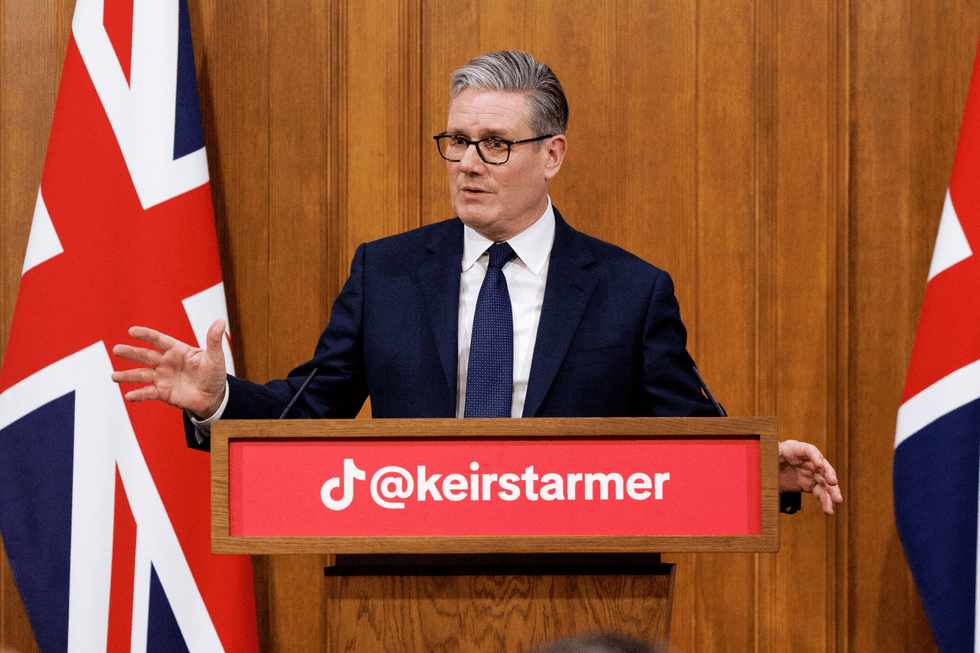
Keir Starmer, pictured here at a social media influencers event, is consulting on a plan to ban children from social media
|DOWNING STREET
The claimants say that includes companies such as Meta, Google, and LinkedIn - the same tech giants whose platforms are under scrutiny in the consultation.
The legal action is being led by London law firm Conrathe Gardner LLP, which specialises in public law challenges.
In a detailed legal letter sent to Government lawyers, solicitor Paul Conrathe argues the arrangement could make the consultation unlawful.
The letter claims the Government made the “remarkable and unlawful decision” to require parents and children taking part in the surveys to accept a privacy policy permitting their personal data to be shared with major technology companies.
The consultation invites responses through three online surveys - a full public consultation, a survey aimed at parents and carers of children under 21, and a dedicated survey for children and young people aged between 10 and 21.
SOCIAL MEDIA BAN - READ MORE:
- Labour's social media ban will leave 85% of children feeling unsafe, new research reveals
- 'No more excuses!' Kemi Badenoch tears into tech companies 'using child data to make money' as she cracks down on social media ban
- Labour's attack line is wrong: Nigel Farage is right about a social media ban for under-16s - Nigel Nelson
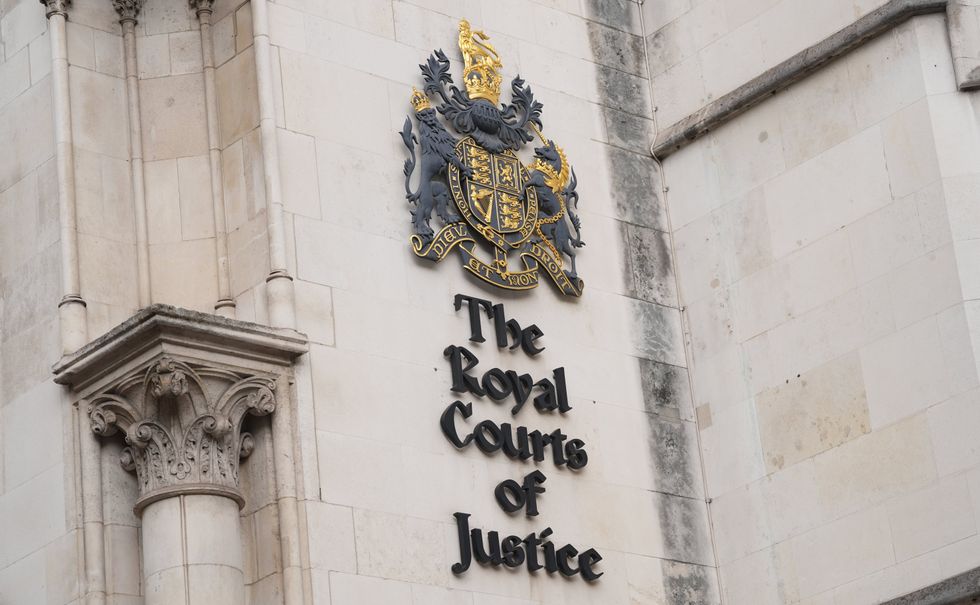
Ministers have been accused of an 'extraordinary corruption of UK democratic process' as part of the High Court challenge
| PABut the parents’ and children’s surveys are run by a commercial research company called Savanta Group Limited.
The legal claim states that participants who click the “start survey” button must accept Savanta’s privacy policy before they can respond.
According to that policy, personal data collected during surveys may be shared with third-party companies providing analytics or digital services, including Google, Meta and LinkedIn.
Lawyers for the parents argue the arrangement effectively forces families to share personal information with social media companies if they want to take part in the Government consultation.
The legal challenge also questions whether ministers properly considered the implications of allowing data to be shared with companies whose platforms may ultimately face tighter regulation or restrictions for under-16s.
Lawyers say this raises serious questions about the logic and fairness of the consultation process which creates an unfair barrier to participation and undermines the principle that Government consultations must be conducted fairly.
The claimants argue many parents - particularly those whose children have experienced harm online - may refuse to take part if it means sharing personal information with technology companies.
The claimants have asked the Government to release communications between ministers and Savanta about the privacy policy.
They are also demanding assurances that personal data collected from the consultation will not be shared with any third parties.
If those demands are not met within 14 days, the parents say they will file a judicial review claim in the High Court.
The consultation is due to run until May 26, with ministers expected to decide later this year whether to introduce tougher restrictions on young people using social media platforms.
Harry Amies, from the online child protection group Unplug.Scot, said he was shocked when he discovered the privacy terms attached to the consultation.
He said: “The discovery that not only parents’ but children’s personal responses to the consultation may be shared with Meta and Google, without their explicit consent or knowledge, represents an extraordinary corruption of UK democratic process.
“The consultation should be suspended until this mess is sorted out.”
Mr Amies also accused ministers of dragging their feet on taking action against social media companies.
He said: “The Government needs to just get on with the social media ban - why can’t this Government make one easy, popular decision?
“This consultation is a delaying tactic. Parents want the social media age raised now.”
The proposed under-16s social media ban has already caused controversy.
Some experts warn enforcing age limits could require strict age-verification systems - potentially involving identity documents or biometric checks - raising concerns about privacy and the storage of sensitive data about children.
Others question whether any ban could be effectively enforced. Technology specialists and regulators say teenagers could bypass restrictions using tools such as virtual private networks, allowing them to access platforms through overseas services.
Some child safety groups also argue that banning mainstream platforms could push young people towards less regulated corners of the internet where risks may be greater.
Other experts have questioned what would count as social media under any ban. Ministers are still grappling with whether restrictions would apply only to major platforms such as Instagram, TikTok and Snapchat - or whether messaging apps, gaming platforms, and emerging AI chatbots could also fall within the rules.
GB News has approached the DSIT for comment.
More From GB News