



My preferred method of air travel is to go to sleep from takeoff to landing. That’s not so easy in an RAF C-130 Hercules transport. These noisy and uncomfortable turboprop planes were the only means by which us journalists could get around Iraq and Afghanistan while our troops were there and first class luxury they were not.
Nor were they designed for snoozing, especially while wearing full body armour. But human need is nothing if not adaptable. If I sat upright in the bucket seat, tucked my head in, and balanced my helmet firmly on top of the Kevlar plates in my bulletproof vest, I could nod off without too much effort. It was like being encased in a cocoon.
And up in the sky, there were no worries about stepping on an IED, so sleep was trouble-free.I am no expert on these war-ravaged countries, and my visits were only fleeting ones, but they were still a better way to get a feel for such places than anything I could have found in books or online.
Talking to our soldiers at Camp Bastion made their descriptions of the difficult and dangerous job they faced against the Taliban come alive.
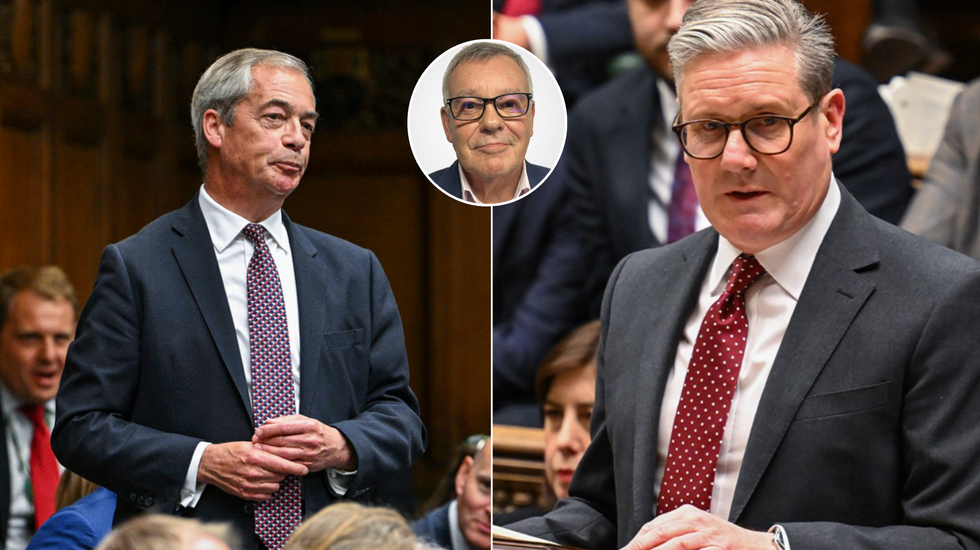
Labour's attack line is wrong: Nigel Farage is right about a social media ban for under-16s - Nigel Nelson
|House of Commons
Diving face down into desert sand with them in Basra when we came under an insurgent mortar attack gave me a frightening insight into what they went through every day. In the modern jargon, it's called lived experience.
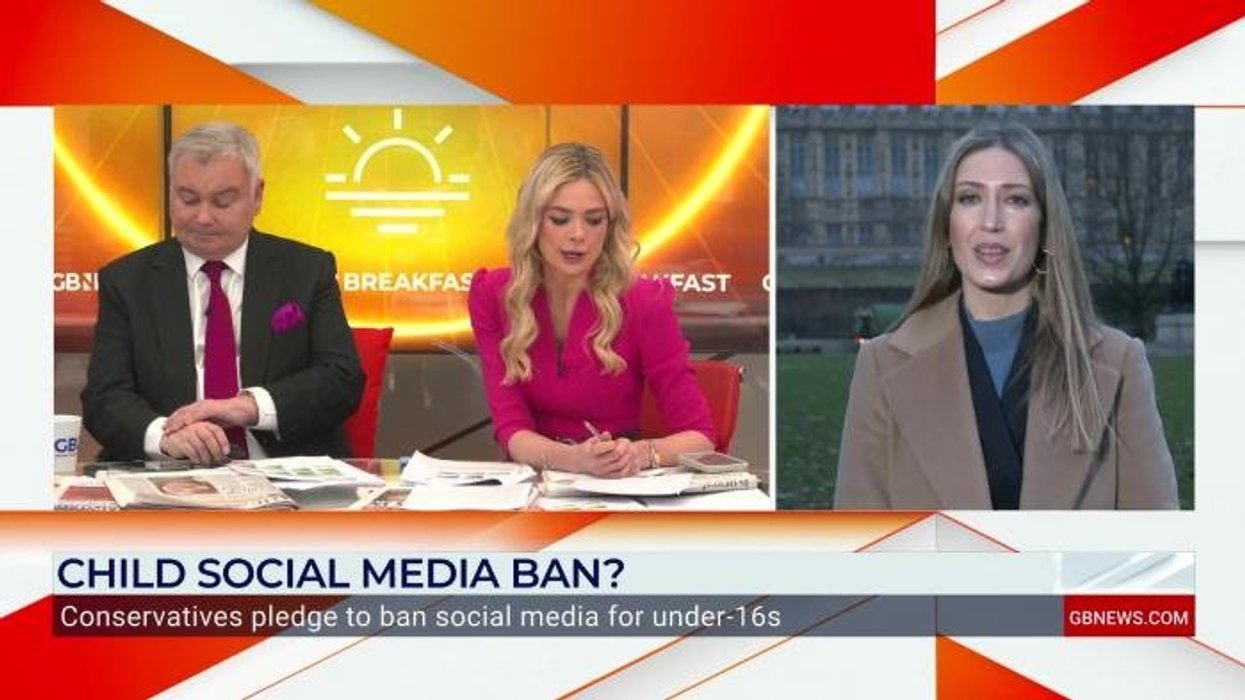
And there’s nothing to beat it. Yet nowadays, young people get too many of their experiences remotely from social media. And the desire to ban it for under-16s is partly driven by a wish to encourage them to get out into the real world again.
Polls show more than six in 10 of us support such a ban, and that is backed by the teachers' union NASUWT, who want youngsters to concentrate on their school work instead.
There is evidence that heavy use by adolescents can lead to anxiety, depression and disrupted sleep, which interferes with their ability to learn.
Stopping them from accessing social media would also reduce the risk of cyberbullying, sexual grooming and prevent them from visiting sites promoting self-harm and suicide.
Under 16s naturally squeal at the injustice of this, but there are other things they are not allowed to do, such as driving and buying alcohol, which they, more or less, accept.
On the other side of the argument, a ban infringes on the rights of teenagers to freely express themselves. And those who are LGBT, disabled or isolated may rely on it for an invaluable source of support.
French children under 15 need parental consent for a social media account, and in Germany, the age for that is 16. Australia introduced a ban for all under 16s last month.
Tech-savvy teenagers are already finding ways around it. Some are getting VPNs to make it seem like they’re in a different country. And they are coming up with inventive ways to create fake IDs, or using make-up to fool facial age verification tools into thinking they are older than they are.
But if the whole experiment doesn’t collapse because of such dodges, we will have a real-life model to establish whether such a ban really can improve the mental health of youngsters.
And I find myself in agreement with Reform leader Nigel Farage on this one. He says we should watch Australia closely before deciding what the right course is for British children.
It’s a pity, though, that whatever happens, young people will now never get the real-life chance to fall asleep in a Hercules. The RAF’s workhorse was retired from service two years ago.
More From GB News