






Britain risks heading down a “dangerous path” towards state control of the online public square, an independent peer has warned, as ministers consider a social media ban for under 16s.
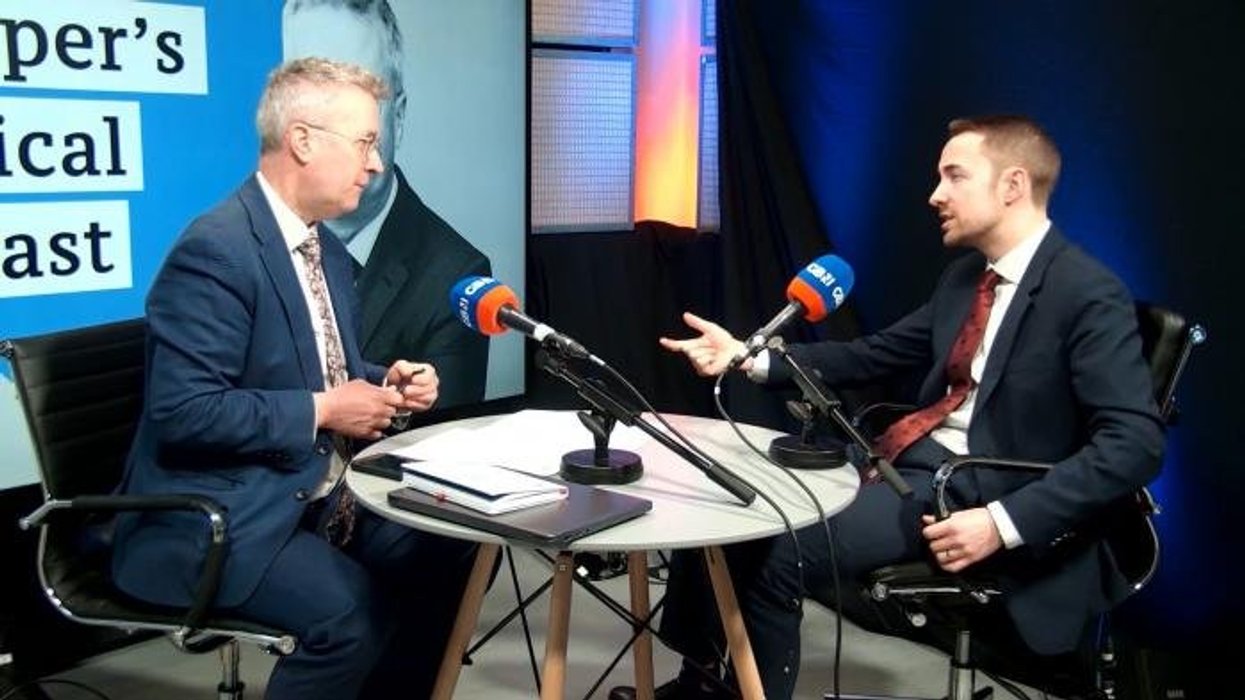
Speaking at a conference last week Baroness Fox of Buckley, a prominent free speech advocate, warned that banning young people from social media would hand sweeping powers to the state over how people communicate and access information.
Baroness Fox also told the conference, hosted by the economic growth and public policy think tank, the Prosperity Institute, that calls to ban social media for under 16s are “authoritarian” and driven by “moral panic”.
And she warned banning young people from social media would hand sweeping powers to the state over how people communicate and access information.
TRENDING
Stories
Videos
Your Say
“You can’t take young people out of the public square,” she said. “This is how people communicate in the modern day and how they inform themselves.”
In one of her starkest warnings, Baroness Fox, also director of the Academy of Ideas, which aims to promote public debate, added: “This is a censorship role and normalising censorship in the name of 'safetyism' is dangerous… You could be safer in China, but this is at the expense of your freedom.”
She cautioned that once such powers are introduced, they may not stop with children.
“It could extend beyond 16… beyond 18,” she said. “Who decides what is harmful?”
Her intervention comes amid mounting pressure on ministers to act over rising screen use among children and its potential impact on mental health.
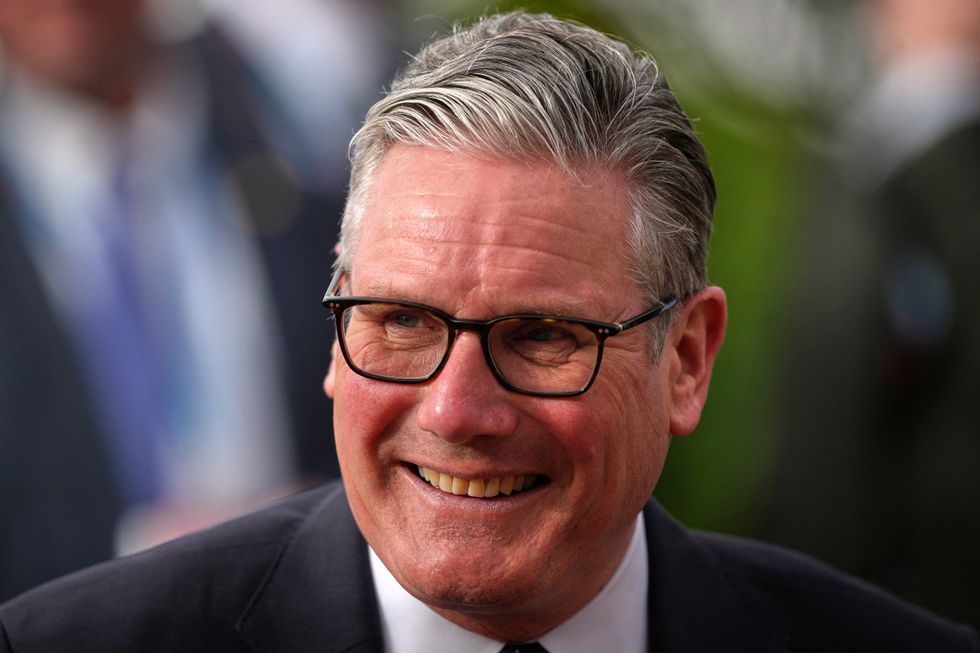
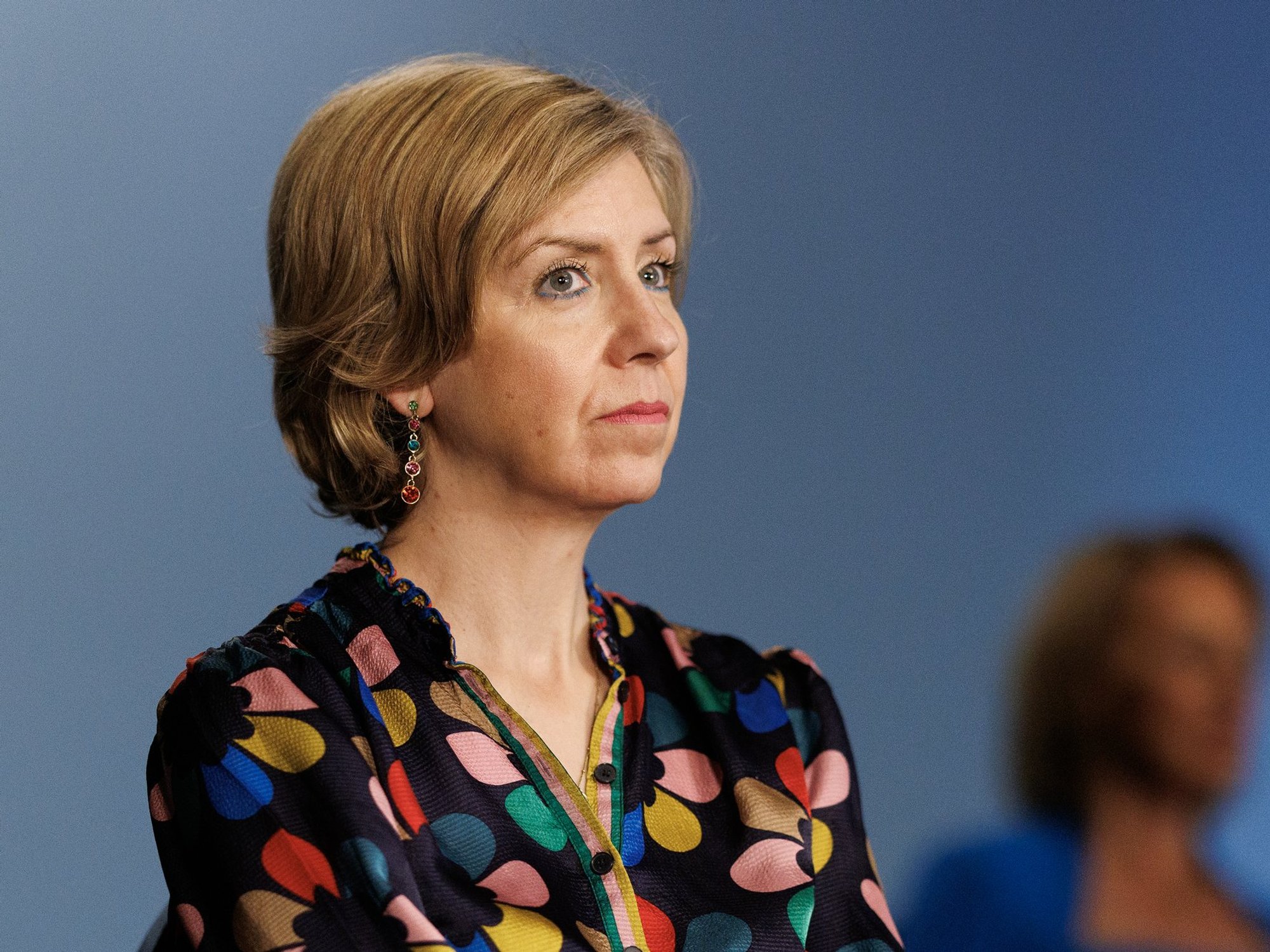
Baroness Fox warned that calls for social media bans, currently under consideration by Labour, were 'authoritarian' and driven by 'moral panic'
|GETTY
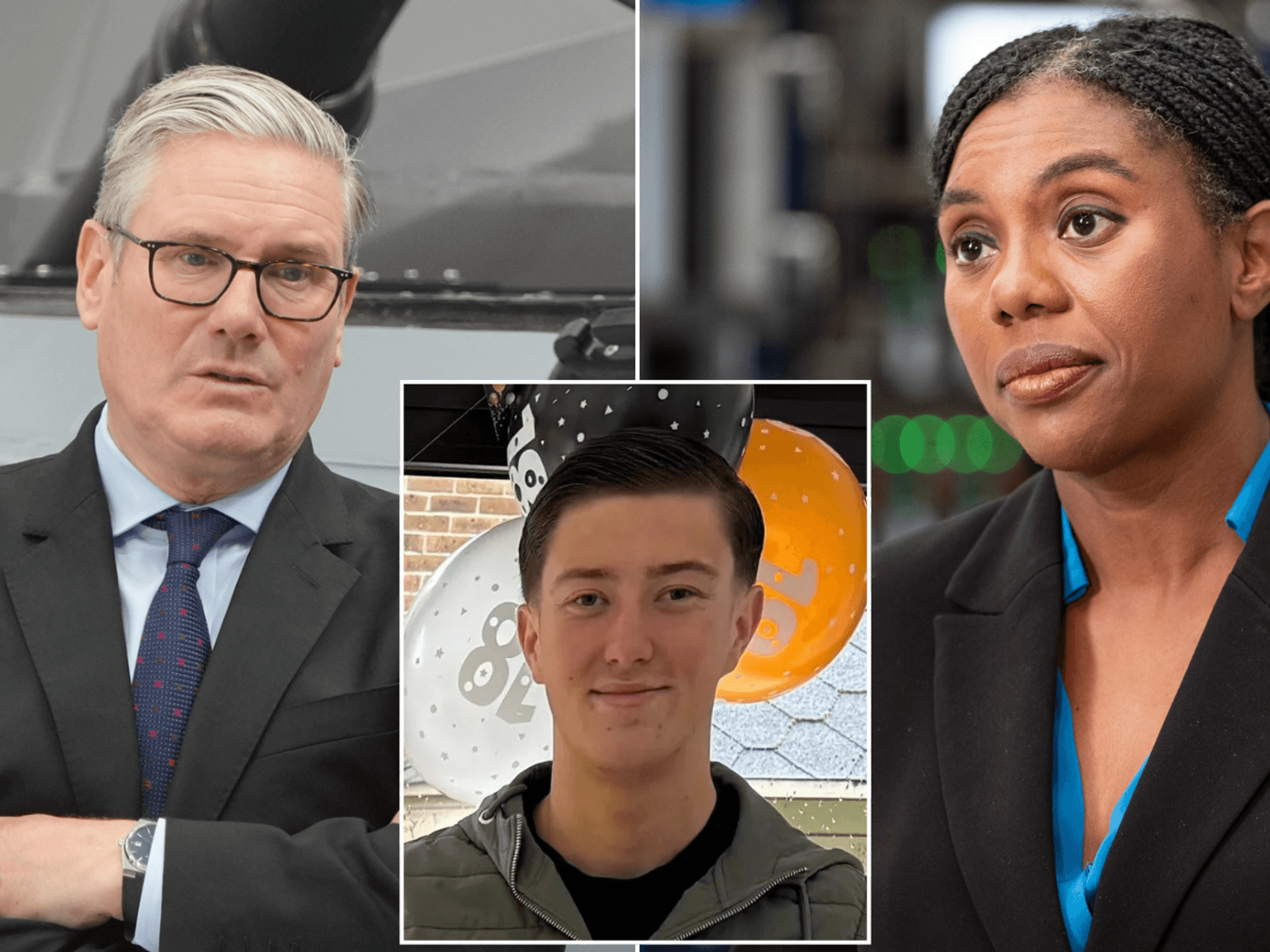
Sir Keir Starmer has told tech giants “things can’t go on like this” and the Government is currently consulting on new rules, with options ranging from a total social media ban for children, stricter age verification to curbs on addictive features like autoplay and infinite scrolling.
But Baroness Fox argued the evidence that social media is harming children remains widely contested - and that wider social factors are being ignored.
Young people, she said, are also being “overprotected”.
"We don’t let kids play outside; we locked them up during lockdowns. This means they are becoming less resilient in a culture of 'cotton wool kids'," she added.
“Of course all freedom leads involves risk” she said. “It is up to parents to decide what risk their children will take.”
Her warning was echoed by concerns over whether bans can even be enforced in practice.
INTERNET BANS - READ MORE:
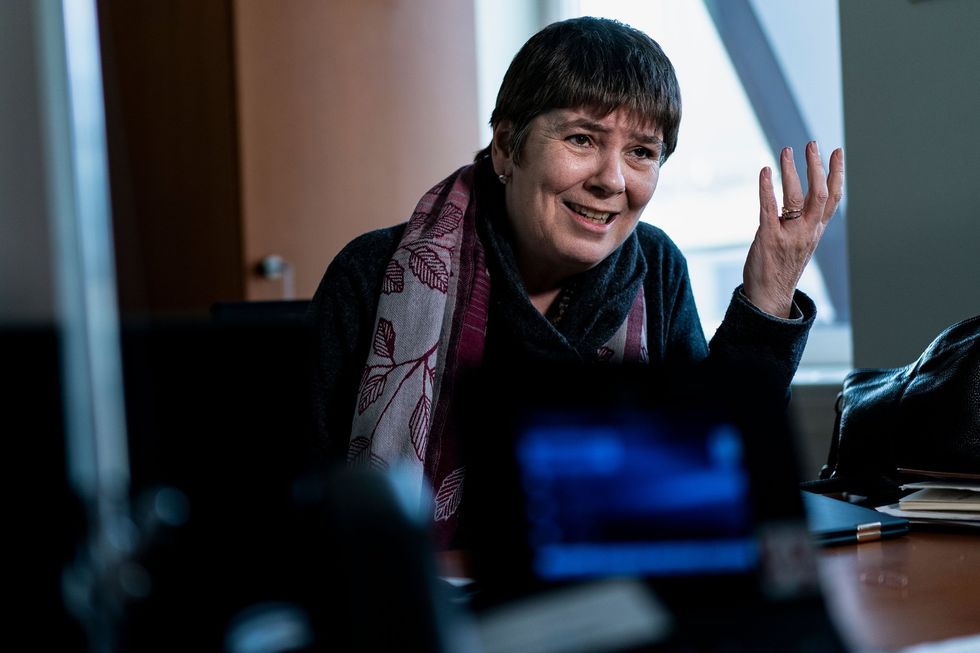
Baroness Fox said the evidence that social media is harming children remains widely contested
|GETTY
Baroness Fox pointed to evidence from Australia where a social media ban for children was introduced earlier this year but where regulators have acknowledged major challenges, with children easily bypassing age restrictions using fake accounts, VPNs or adult logins.
Experts there have admitted age verification technology remains unreliable - fuelling concerns that restrictions could simply push usage underground rather than stop it.
Children’s campaign group UsForThem claimed the evidence of harm to children from social media was undeniable and called for stronger action on children’s digital lives.
Co-founder lawyer Ben Kingsley called for clearer age limits and greater accountability for tech firms.
He told the conference children are being exposed to harmful content and addictive design features without adequate protection - and that Government intervention is now necessary.
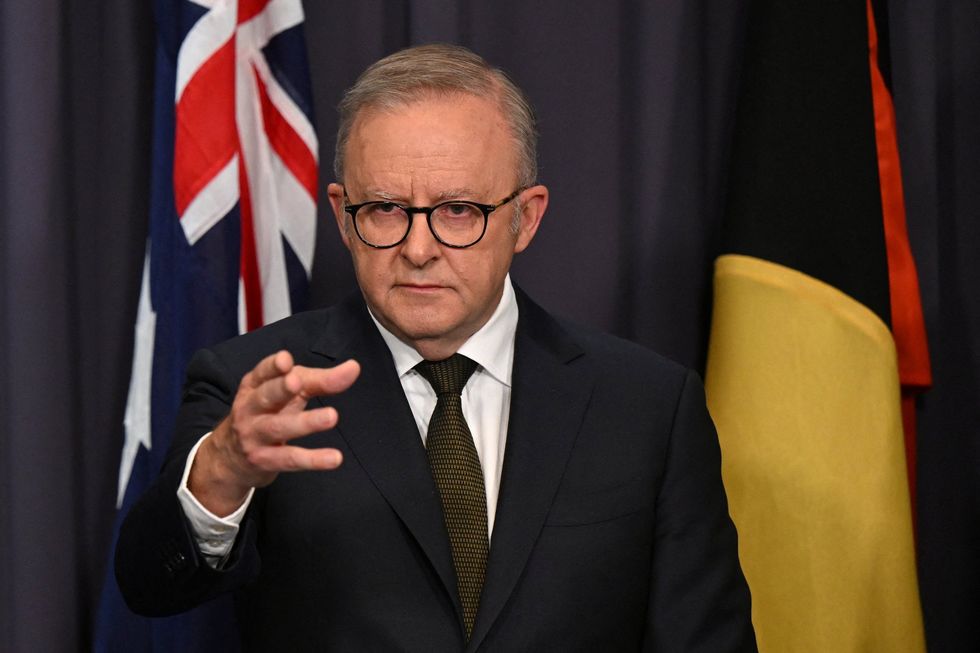
Anthony Albanese's Government introduced a social media ban in Australia earlier this year
| REUTERSDr Sanjiv Nichani, a consultant paediatrician at Leicester Children’s Hospital and honorary lecturer at the University of Leicester, warned that the scale of harm he is seeing in clinics is irrefutable and called for a ban on the ‘most addictive” apps.
“I have been a paediatrician for 40 years and have been totally shocked by what I have seen in the last few years,” he said.
Dr Nichani, who has spent decades working on the NHS frontline, described modern childhood as “phone and technology controlled” - and coined the term “the Screen-demic.”
“This is an epidemic of mental health illness in children and young people… as well as communication difficulties and language delays… due to excessive device use,” he said.
He warned that 35 per cent of UK teenagers spend six hours or more a day on smartphones and social media, adding: “This time spent is an addiction - make no mistake about it,” he said.
Citing studies of numerous children, he said heavy use is linked to changes to brain development, anxiety, depression and behavioural problems, with teenagers spending more than three hours a day on social media facing double the risk of poor mental health.
He also raised concerns about younger children, pointing to rising speech delays and attention problems linked to excessive screen exposure.
“In medicine… clinical evidence alongside research is the gold standard,” he said. “The clinical and research evidence is overwhelming.”
He rejected arguments that restrictions infringe freedom, insisting children must be protected from harm.
“Children have a right to be protected from addictive algorithms… toxic poisonous apps… and dopamine surges,” he said.