











Giving babies screen time in their first years of life alters how their brains are wired - and increases anxiety by their teens - a major new study shows.
Researchers who followed children from infancy into early adolescence found that heavy screen exposure before the age of two is linked to lasting changes in brain development, slower thinking in childhood and higher anxiety by the age of 13.
The findings come as UK figures show screens are now a routine part of life for babies and toddlers - despite clear NHS advice that under-twos should not be exposed at all.
The peer-reviewed research, published in the medical journal eBioMedicine, tracked 168 children from birth as part of Singapore’s largest long-running birth cohort study, led by the Agency for Science, Technology and Research.
The study mapped children’s brain development from infancy to adolescence. Screen exposure was recorded from before the age of two. Brain imaging was carried out at multiple points alongside measurements of decision making speed and anxiety symptoms which were carried out until adolescence.
By linking these stages, researchers showed how early screen exposure may influence brain development across childhood and shape mental-health outcomes more than ten years later.
Children who had the highest levels of screen exposure as babies showed faster-than-normal development in brain networks involved in visual processing and cognitive control - a process scientists describe as accelerated maturation.
Researchers explain that while brain networks normally specialise gradually, doing so too quickly appears to reduce flexibility and resilience later on. It is believed that this is because the brain becomes tuned to narrow forms of stimulation before it has built the wider connections needed for adaptable thinking.
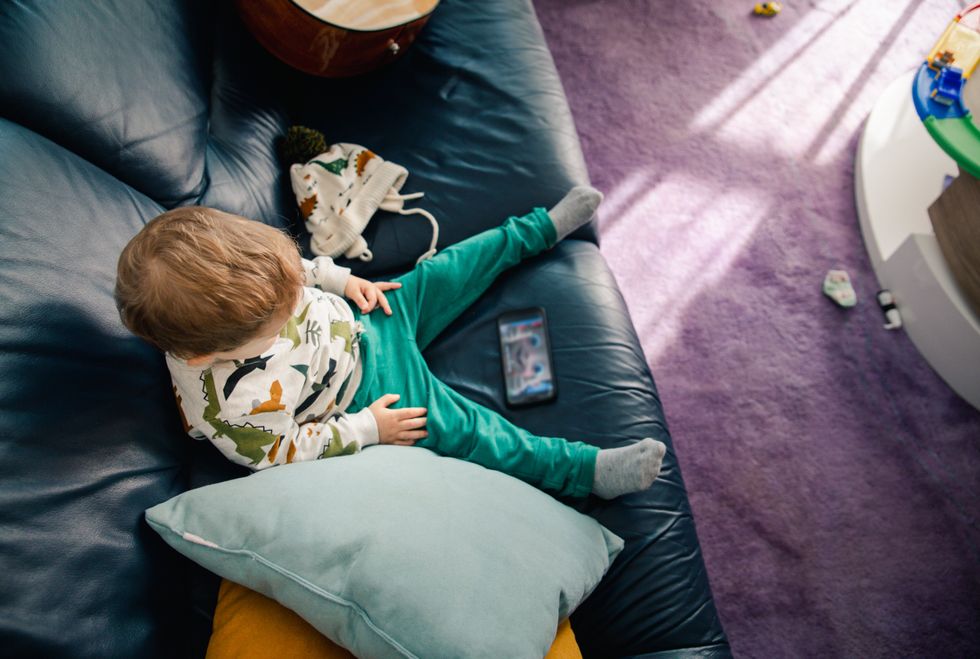
Parents have been urged to limit screen time for their children
|GETTY
Those differences were reflected in behaviour. At age eight-and-a-half, children with these altered brain patterns took longer to make decisions during cognitive tasks. By age 13, they reported higher levels of anxiety.
Crucially, the effect was only seen when screen exposure occurred in the first two years of life. Screen time measured at ages three and four did not show the same associations, underlining infancy as a particularly sensitive period for brain development.
The findings come amid growing concern in Britain about how early children are being introduced to screens with parents increasingly using electronic devices to distract and calm noisy or restless babies.
Figures from Ofcom show early exposure to screens has now become widespread. Its research shows screen use starting as early as six months.
LATEST DEVELOPMENTS
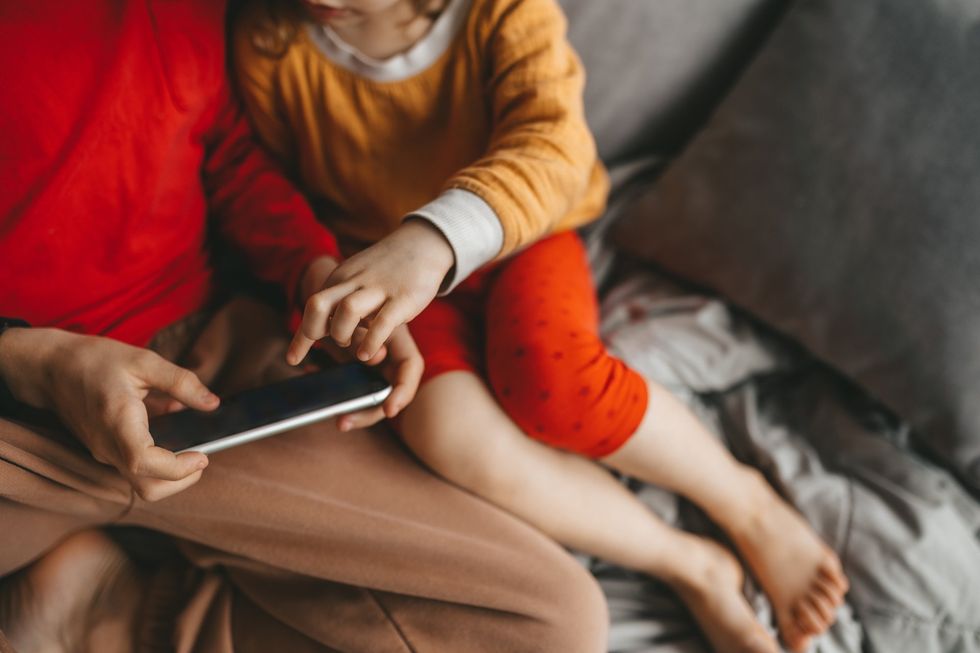
Screens are now a part of routine life for most babies
|GETTY
And it found 81 per cent of UK children aged under two already watch TV or online videos, while 60 per cent use a tablet or smartphone. Nearly half of children under two use a tablet at least occasionally, with regular use rising sharply between 12 and 24 months.
This is despite NHS guidance, which states: “Children under two years should have no screen time at all, other than video chatting.”
In a related recent study, published in Psychological Medicine, the same research team found that frequent parent-child reading could reduce some of the brain changes associated with early screen exposure.
Among children whose parents regularly read to them at age three, the link between infant screen time and altered brain networks involved in emotional regulation was significantly weaker.
"This research gives us a biological explanation for why limiting screen time in the first two years is crucial. But it also highlights the importance of parental engagement, showing that parent-child activities, like reading together, can make a real difference," said Asst Prof Tan Ai Peng, lead researcher.
Researchers believe shared reading offers something screens cannot: two-way interaction, language exposure and emotional connection, all of which support healthy brain development.
The research was carried out in collaboration with the National University Hospital of Singapore, KK Women’s and Children’s Hospital and McGill University, and adds weight to calls for clearer public-health messaging around screen use in the earliest years of life particularly as Britain grapples with rising anxiety among youngsters and growing pressure on mental health services.