











The pandemic backlash is still causing a "disproportionate and lasting" impact on the NHS with millions of vital diagnoses being missed years after lockdown was ended, a landmark study has shown.
The analysis which assessed NHS records from more than 29 million people in England suggests millions of people who should be diagnosed with potentially deadly conditions are not being picked up by the system.
Experts said the findings, by researchers at King's College London and published in the British Medical Journal, today - Thursday 22 Jan - represent a “national emergency” and will lead to seeking urgent help from overstretched A&E departments.
The study comes as separate Government data shows patients continue to face serious barriers to hospital treatment and GP appointments
TRENDING
Stories
Videos
Your Say
The King's College researchers compared actual diagnosis rates with what would have been expected based on pre-pandemic trends. They discovered diagnosis rates for some of the UK’s major health conditions have not recovered. The study states: “There has been a lasting and disproportionate impact of the Covid-19 pandemic on diagnosis rates for conditions including depression, asthma and osteoporosis.”
For depression - the most severely affected condition - diagnoses were 27.7 per cent lower than expected - the equivalent to one in four cases not being picked up.
The study also found diagnoses of asthma were 16.4 per cent lower than expected, chronic obstructive pulmonary disease (COPD) was down 15.8%, and osteoporosis was down 11.5 per cent.
The researchers say pressure on the NHS is likely to be a key factor. When appointments are harder to secure and diagnostic tests are delayed, people can remain undiagnosed for long periods - allowing conditions to worsen and work absence to lengthen.
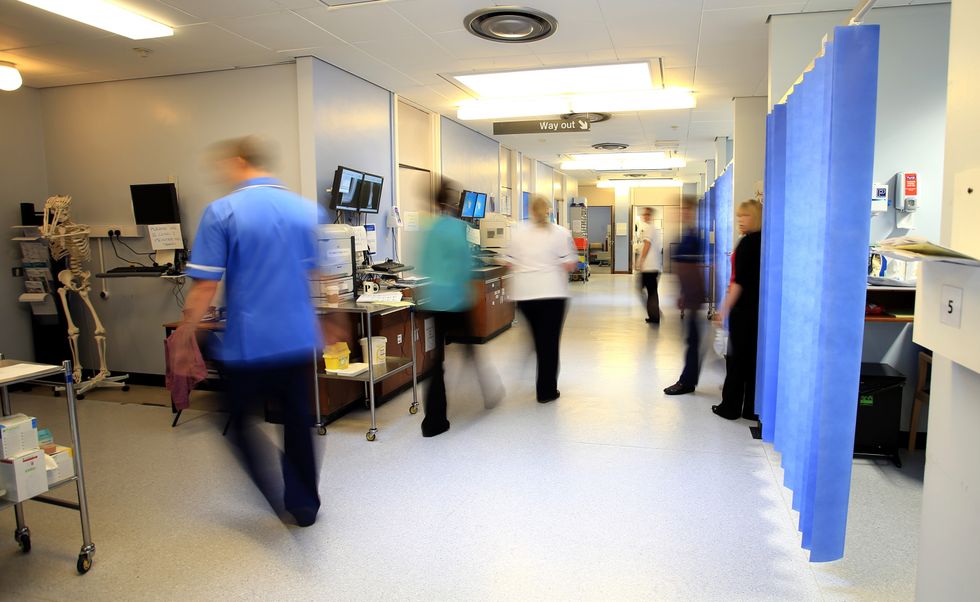 The ovarian cancer study exposes shocking gaps in survival rates, waiting times and access to treatment - with experts warning the crisis is spiralling out of control | PA
This is borne out by separate data from the Office of National Statistics (ONS) which shows a fifth (16 per cent) of those on a hospital waiting list said they had been waiting for more than 12 months. Nearly half (46 per cent) rated their overall experience of waiting as poor, while a further 30 per cent said the administration of their care was poor.
The ONS data also shows around a quarter (24 per cent) of patients who tried to contact their GP surgery were unable to do so on the same day. And more than a third (36 per cent) of those offered an appointment but who declined said they did so because there were no appointments available within two weeks.
Doctors warn such delays mean people are waiting longer not just for treatment - but even to find out what is wrong with them.
Experts believe the impact is no longer confined to the health service and is fuelling an economic as well as health crisis. Latest figures show 2.81 million people are economically inactive due to long-term sickness - almost one million more than in 2019.
LATEST DEVELOPMENTS
The NHS is still grappling with the effects of the pandemic
| GETTYProfessor Carl Heneghan, Director of Oxford University’s Centre of Evidence based Medicine said: “My big concern is that people are giving up on health care because they cannot access GP care and huge waiting lists which are still over 7 million.”
Professor Heneghan who is also an urgent care GP added: “A significant number of people who have not been diagnosed will at some point turn up in A@E due to a lack of early intervention. If I was in government now I would establish a task force similar to the Covid vaccine task force. We are just messing around at the edges and need to get this waiting list down. This is now a national emergency.”
Brett Hill, Head of Health and Protection at consultancy firm Broadstone, said the wider consequences of reduced access to NHS care are now being felt in the economy. “A new year and a fresh start are badly needed for the government, as today’s data shows the NHS access crisis continues unabated.”
“The consequences are increasingly visible in the labour market. Latest figures show 2.81 million people were economically inactive due to long-term sickness between August and October 2025 - almost one million more than in 2019 - underlining the growing link between healthcare access and workforce participation.”
Depression:
Diagnoses 27.7 per cent lower than expected - one in four people who would normally be diagnosed are not being identified
Asthma:
Diagnoses 16.4 per cent lower than expected
- One in six potential cases may be going undiagnosed
COPD:
Diagnoses 15.8 per cent lower than expected
- around one in six patients not being picked up
Osteoporosis:
Diagnoses 11.5 per cent lower than expected - more than one in 10 cases potentially missed.
An NHS spokesperson said: “NHS staff have worked incredibly hard to reduce the waiting list for hospital treatment while seeing a record surge in patients last year, and thousands more patients got a faster diagnosis and received quicker treatment over the last year when compared to the previous 12 months.
“Millions more appointments at GP practices have been delivered since the pandemic and the latest figures show more people think their local NHS service is improving.
“The NHS will continue to deliver on the steps outlined in the 10 Year Health Plan to ensure more people can access the care they need in a timely manner.”
More From GB News