







The number of asylum appeals awaiting resolution in the UK has surged to an unprecedented 80,333 cases, Ministry of Justice (MoJ) figures released today reveal.
This represents a near-doubling from the 41,987 cases recorded at the end of December 2024.
Those in the system now face an average wait of 63 weeks for their appeal to be heard, up significantly from 48 weeks a year earlier.
The Refugee Council estimates the backlog affects approximately 104,433 individuals, based on a ratio of 1.3 people per case.
TRENDING
Stories
Videos
Your Say
Each case may represent a single applicant or a family group.
The charity warned that many asylum seekers remain in hotels and other temporary accommodation while awaiting outcomes.
Imran Hussain, director of external affairs at the Refugee Council, said: "These figures demonstrate what has been obvious for a long time - poor quality decision-making by the Home Office is forcing people into an appeals process, meaning that it can take years to reach the correct decision.
"In our frontline work, we see so many men, women and children whose hopes for safety rest on their asylum applications, but they are often met with flawed decisions that don't address the facts of their situation."

Asylum appeals have near doubled since December 2024, now at over 80,000 cases
|GETTY
Mr Hussain emphasised that those awaiting appeals cannot work or rebuild their lives, creating substantial costs for taxpayers.
He argued that refugees fleeing conflict in nations such as Sudan and Afghanistan deserve swift, accurate decisions from the outset.
Better initial assessments would clear the backlog and reduce spending on unsuitable accommodation, he said.
Mihnea Cuibus, researcher at the Migration Observatory at the University of Oxford, said: "The rapidly growing appeals backlog means that even though the initial decision asylum backlog has fallen sharply in 2025, to the lowest level in five years, the total number of people receiving asylum support remains high, as does the number of asylum seekers in hotels.
LATEST DEVELOPMENTS
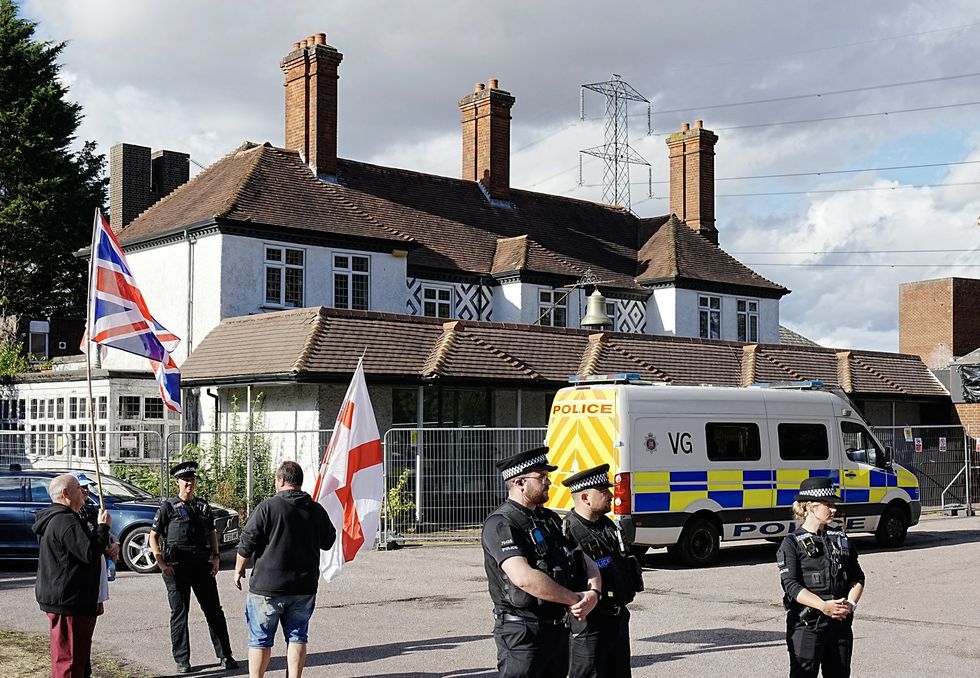
Protests outside the Bell Hotel in Epping, which became a hotspot for anti-illegal immigration demonstrations
|GETTY
"The courts backlog is now arguably the major barrier preventing the Government from making progress on its pledge to end hotel use."
Labour has said they are committed to eliminating asylum hotel accommodation by the end of this Parliament, potentially as early as 2029.
Home Office statistics from February showed the initial decision backlog had dropped to 64,426 people, its lowest point in over five years.
Yet the appeals queue now exceeds this figure for the first time.
The proportion of appeals granted has fallen sharply, with just 36 per cent succeeding between October and December.
This marks a significant decline from 46 per cent during the same period in 2024 and represents the lowest success rate since early 2015.
Home Office data published last month showed 30,657 asylum seekers were residing in hotel accommodation at the end of December, the lowest figure in 18 months.
Protests outside some hotel sites brought the issue into public focus last year, for example the Bell Hotel protests in Epping last summer.
The latest episode in the Bell Hotel series is a failed legal battle to stop asylum seekers being housed at the accommodation in Epping cost the council £566,000.
The Conservative-led Epping Forest District Council lost its battle in November, though it announced it will continue through the legal system and appeal to the High Court ruling.
In November, Home Secretary Shabana Mahmood announced reforms limiting rejected asylum seekers to a single appeal against removal, rather than permitting multiple challenges on different grounds.
The measures formed part of plans to restore order to the asylum system, drawing on the Danish model.
More From GB News