




People taking legal action against Johnson & Johnson over claims its baby powder caused cancer are dying at a rate of one every three days, the High Court has been told.
Around 2,000 claimants allege they developed mesothelioma or ovarian cancer after using Johnson’s Baby Powder, or having it applied to them as children.
They claim the talc in the powder was contaminated with asbestos.
Johnson & Johnson, Johnson & Johnson Management and Kenvue UK deny the claims and say the product did not contain asbestos and does not cause cancer.
Michael Rawlinson KC, for the claimants, told the court there was “particular urgency” because with mesothelioma “only 45 per cent of those diagnosed are still alive one year after diagnosis”.
He said: “The claimants submit that it is incumbent upon the parties and the court to seek to progress the litigation with all possible expedition, so as to maximise the number of claimants who live to see its resolution.”
The group is asking for a group litigation order, allowing the cases to be heard together.
In court documents, Mr Rawlinson alleged J&J “concealed” the risk for decades and said there are “very few” talc mines in the world which do not contain asbestos.
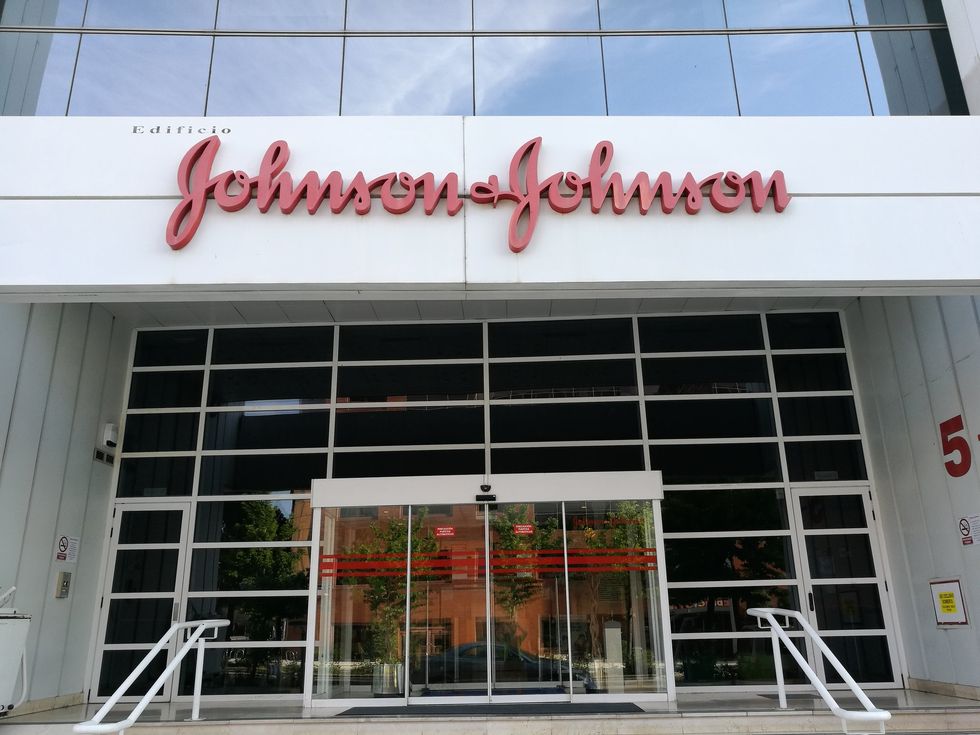
Johnson & Johnson is facing legal actino over claims its baby powder caused cancer
|GETTY
He claimed, “all of the mines supplying the defendants contained asbestos”.
Alexander Antelme KC, for J&J, said the companies are “highly sympathetic” to the claimants but warned against rushing “complex litigation”.
He said: “It will involve considerable detailed scientific evidence covering a substantial period - the claims include use back to the 1960s - including multiple fields of expert evidence.”
He added: “Rushing complicated litigation such as this is fraught with danger and risks overall inefficiency.
“It risks ‘shortcuts’ being identified based on limited material which later transpire to be wrong turns, which do not accelerate but delay resolution of the litigation.”
LATEST DEVELOPMENTS:
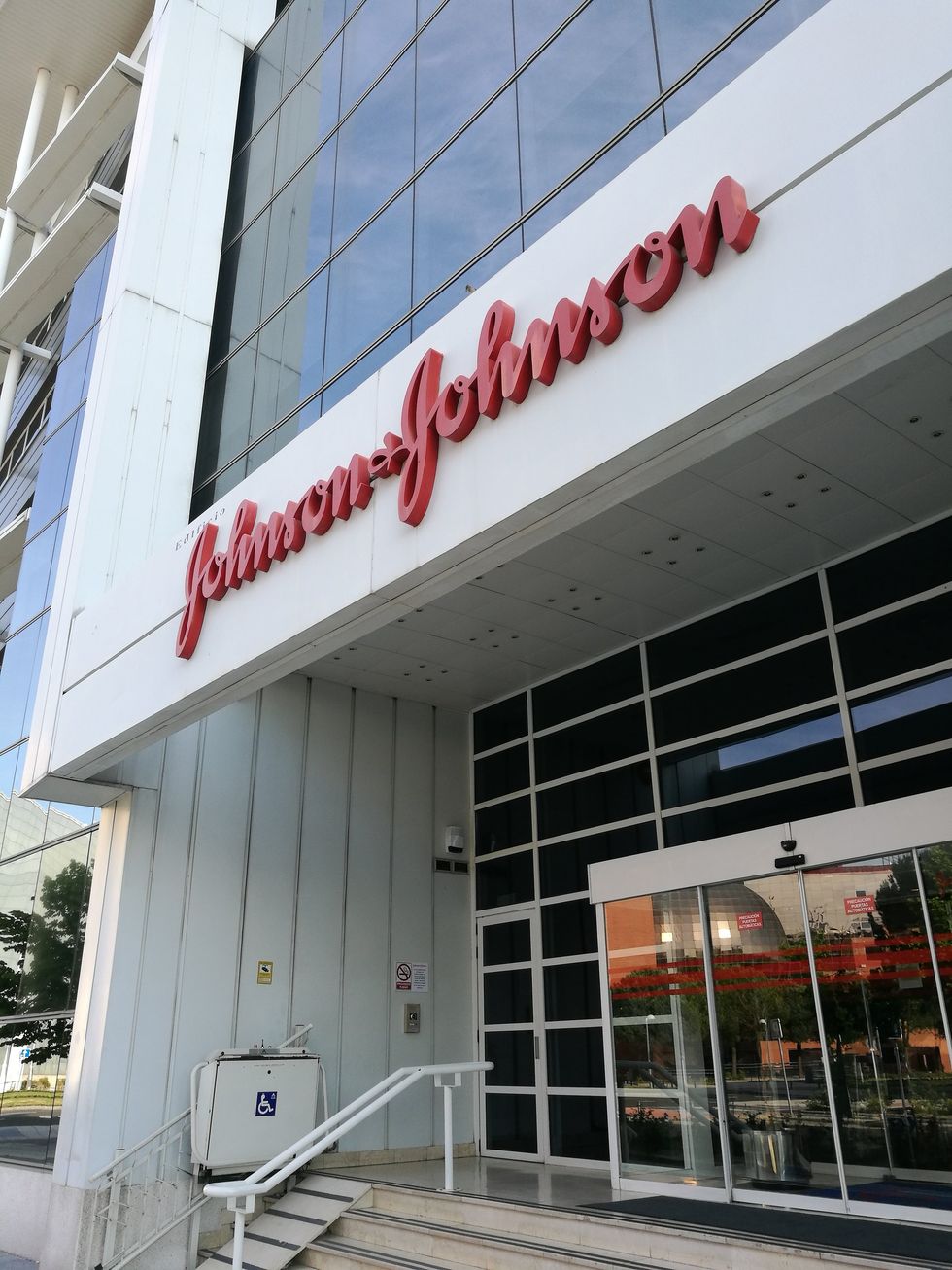
J&J has denied 'any suggestion it knew or hid information about the safety of talc', and maintains testing showed no asbestos in talc used in baby powder
|GETTY
A Kenvue UK spokesman said: “The safety of talc-based Johnson’s Baby Powder is backed by over four decades of testing by independent and leading laboratories, universities and health authorities in the UK and around the world, including the Harvard School of Public Health and Mount Sinai Hospital.
“The high-quality cosmetic grade talc that was used in Johnson’s Baby Powder was compliant with required regulatory standards, did not contain asbestos and does not cause cancer.
“We take this matter seriously. We have worked diligently, extensively, and with complete transparency with regulators and health authorities over the years, and we continue to do so.
“We have also gone above and beyond industry testing standards to make sure talc-based Johnson’s Baby Powder was safe for consumers.”
The UK case follows years of litigation in America, where J&J has faced tens of thousands of claims linked to talc products.
Reuters reported in 2025 that the UK claim was the first of its kind against J&J in Britain and that J&J had stopped selling talc-based baby powder in the UK in 2023.
Reuters previously reported that internal documents examined by the news agency showed J&J’s powder was “sometimes tainted” with asbestos, allegations the company has strongly denied.
J&J has said in response to earlier coverage that “any suggestion that Johnson & Johnson knew or hid information about the safety of talc is false”, and maintains testing showed no asbestos in talc used in baby powder.
The hearing before Mrs Justice Hill and Judge David Cook is due to conclude tomorrow, with a further hearing expected at a later date.