









UK Government borrowing costs have climbed to their highest levels since the late 1990s as instability in the Middle East continues to unsettle global markets.
The yield on 30‑year gilts rose above 5.7 per cent ahead of the April 29 close, marking its highest level since 1998 during the early years of Tony Blair’s Government.
Gilts are bonds issued by the UK Government to borrow money from investors, who receive regular fixed interest payments and the return of their initial investment when the loan matures.
Ten‑year gilt yields also increased sharply, reaching their highest point since July 2008, according to Reuters.
The move reflects growing investor concern over the risk of prolonged disruption to global oil supplies.
The UK is currently facing higher borrowing costs than any other G7 economy, a position analysts attribute not only to geopolitical tensions but also to underlying concerns about public finances and persistent inflation.
Oil markets reacted strongly to developments involving the United States and Iran.
Brent crude for June delivery rose by nearly seven per cent during trading, briefly exceeding $119 per barrel — close to the recent peak of $119.50 recorded on March 9.
Earlier signals from Washington suggesting diplomatic progress had not materialised.
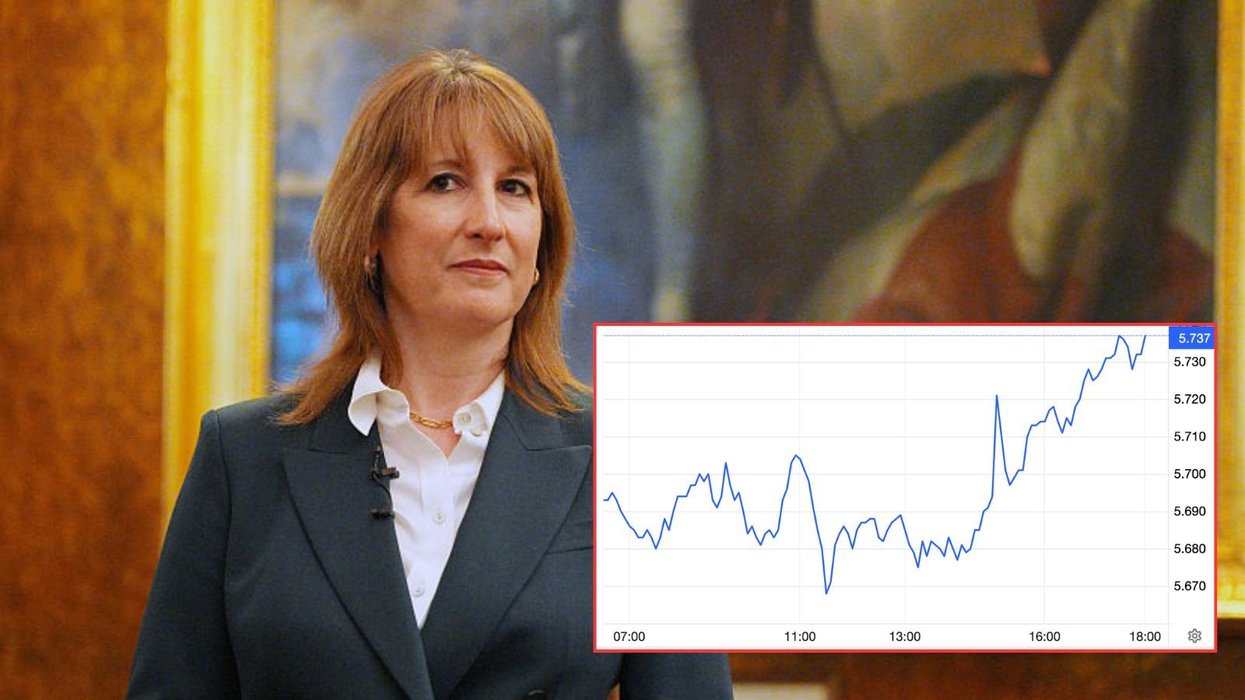
UK gilt yields 30-year hit 5.7 per cent highest level since 1998 amid oil price surge
|GETTY/TradingEconomics
Economists have warned that rising energy prices are likely to have wider economic consequences.
Higher oil costs are expected to feed into household energy bills, food prices and the cost of goods and services, adding further pressure to inflation, which has remained elevated in recent years.
The Ftse 100 fell by nearly 1.2 per cent at the close, extending recent declines in equity markets as investors grow increasingly concerned about both domestic economic conditions and global risks.
Neil Wilson, investor strategist at Saxo UK, said: “Stock markets sold off and oil climbed as President Trump told aides to prepare for prolonged blockade (of the Strait of Hormuz) instead of return to conflict.”

He added that the President had met US oil executives and “may be seeking ways to boost domestic production to offset the impact of a longer blockade.
|GETTY
The prospect of disruption to the Strait of Hormuz, a key global shipping route, has contributed to the recent volatility.
Market participants are now preparing for the possibility of sustained high energy prices, an outlook expected to increase pressure on households and complicate the economic environment facing policymakers.
Latest reports on the Iran war suggest that President Trump has rejected Iran’s proposal to lift the U.S. naval blockade in the Strait of Hormuz ahead of nuclear negotiations, insisting the blockade will remain in place until Tehran agrees to a deal addressing U.S. concerns over its nuclear programme.
He told Axios that the blockade was “somewhat more effective than the bombing” and said Iran was “choking” under the restrictions.
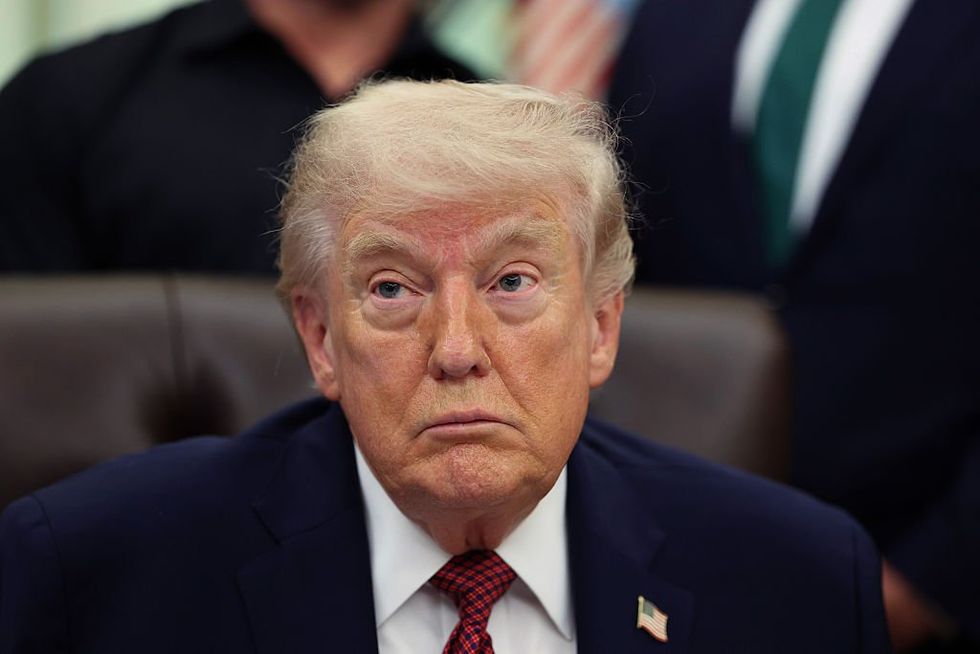
Donald Trump had said that a blockade will stay until a nuclear deal is reached
|GETTY
U.S. Central Command has prepared contingency plans for a “short and powerful” wave of strikes aimed at breaking the negotiating deadlock, according to sources cited in the report.
While no military action has been ordered, officials said the option remains under consideration if talks fail to progress.
Iran has issued its own warning, with a senior security official telling state media that the blockade “will soon be met with practical and unprecedented action” if it continues.
The official said Iranian forces had shown restraint to allow diplomacy to proceed but stressed that “patience has limits” and that a “punishing response” could follow if the U.S. maintains its position.