










New data has suggested over 1.5 million British homes may harbour Japanese knotweed infestations, stripping an estimated £21.4billion from property values nationwide.
Research carried out by invasive plant specialists Environet in partnership with Censuswide indicates that around seven per cent of houses across Britain are affected by the notorious weed.
The financial impact on individual homeowners is substantial, with the invasive species typically reducing property values by roughly five per cent, translating to an average loss of £13,500 per affected home.
The findings come as the plant's growing season gets underway, raising concerns for millions of property owners across the country.
TRENDING
Stories
Videos
Your Say
Bristol, Merseyside, Greater Manchester, Greater London and Lancashire have emerged as the primary hotspots for the invasive species, according to Environet's latest live data.
Wales faces a particularly acute problem, with 3.9 recorded incidents of Japanese knotweed per square mile compared to just 1.1 in England.
With the growing season now in full swing, experts warn that existing infestations are likely to spread rapidly over the coming months.
The plant, which was brought to Britain during the nineteenth century as a decorative garden addition, has since become subject to legal control measures after establishing itself as one of the country's most problematic invasive weeds.
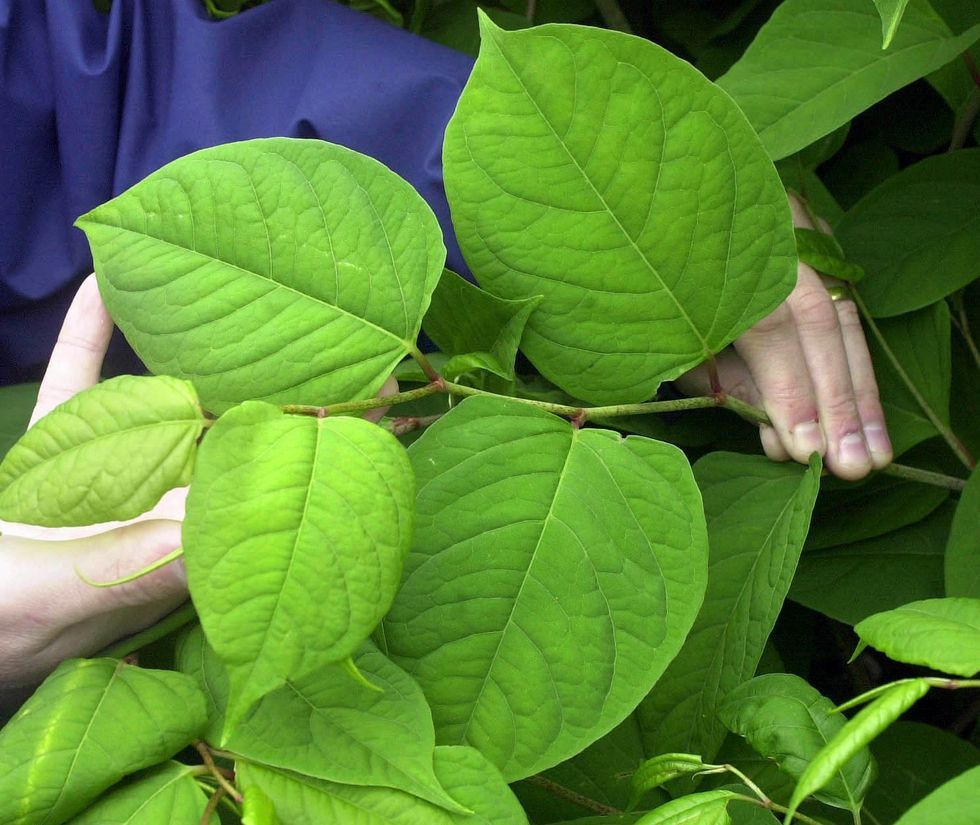 Japanese knotweed causes havoc on properties | PA
Public attitudes towards affected properties remain sharply divided.
A YouGov survey commissioned by Environet found that a third of Britons would refuse to purchase a home with Japanese knotweed under any circumstances, while an equal proportion said they would consider buying if offered a price reduction alongside a professional treatment programme.
Andrew McColl, chairman of the Residential Property Surveyors Association, said: "Discovering Japanese knotweed can have significant financial implications, as removal and management plans are often costly and may require anywhere from five to ten years to fully implement."
Emily Grant, a director at Environet, said: "For most people, their home is their biggest asset, yet over 1.5million households are seeing their property value undermined by knotweed."
LATEST DEVELOPMENTS
- Man's million-pound home left UNSELLABLE because of neighbour's '10-foot tall knotweed jungle'
- British beachgoers issued warning for MILES of coastline after potentially fatal poisonous plant found - 'Do not touch!'
- Dog owner warning: DEADLY plant worse than Japanese knotweed found on UK shores as four pets die
 Gardeners can face huge fines for letting it spread | PA
The Royal Horticultural Society describes Japanese knotweed as a persistent, clump-forming herbaceous perennial that produces rounded pink buds at ground level each spring, from which reddish-purple shoots emerge before developing into bamboo-like stems.
Beneath the surface, the plant develops an extensive network of roots and rhizomes that can extend more than a metre deep, enabling it to outcompete native vegetation for space, light, water and nutrients.
The RHS warns that the weed can exploit weaknesses in paving, tarmac and asphalt, creating uneven surfaces, while also colonising riverbanks where it contributes to erosion and increased flood risk.
Property sellers have been legally obligated since 2013 to disclose any Japanese knotweed presence via a TA6 form.
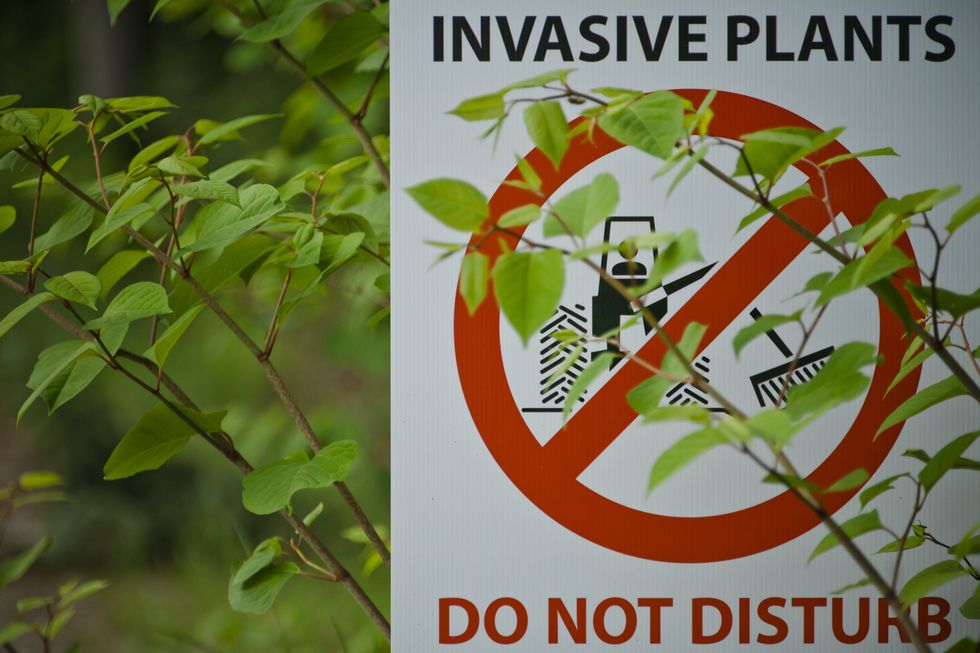
The invasive plant can grow rapidly in just four weeks
| GETTYPermanent removal of Japanese knotweed costs homeowners up to £1,910 on average, according to research from Confused.com.
Matthew Harwood, a home insurance expert at Confused.com, said: "Home insurance doesn't usually cover the cost of removing Japanese knotweed itself, but you may be covered for damage it causes, depending on your policy and whether you've taken steps to control it."
He added that declaring the plant when taking out insurance is essential, as failure to do so could result in rejected claims.
While some mortgage providers remain reluctant to lend on affected properties, an increasing number will approve loans where an insurance-backed treatment plan exists.