

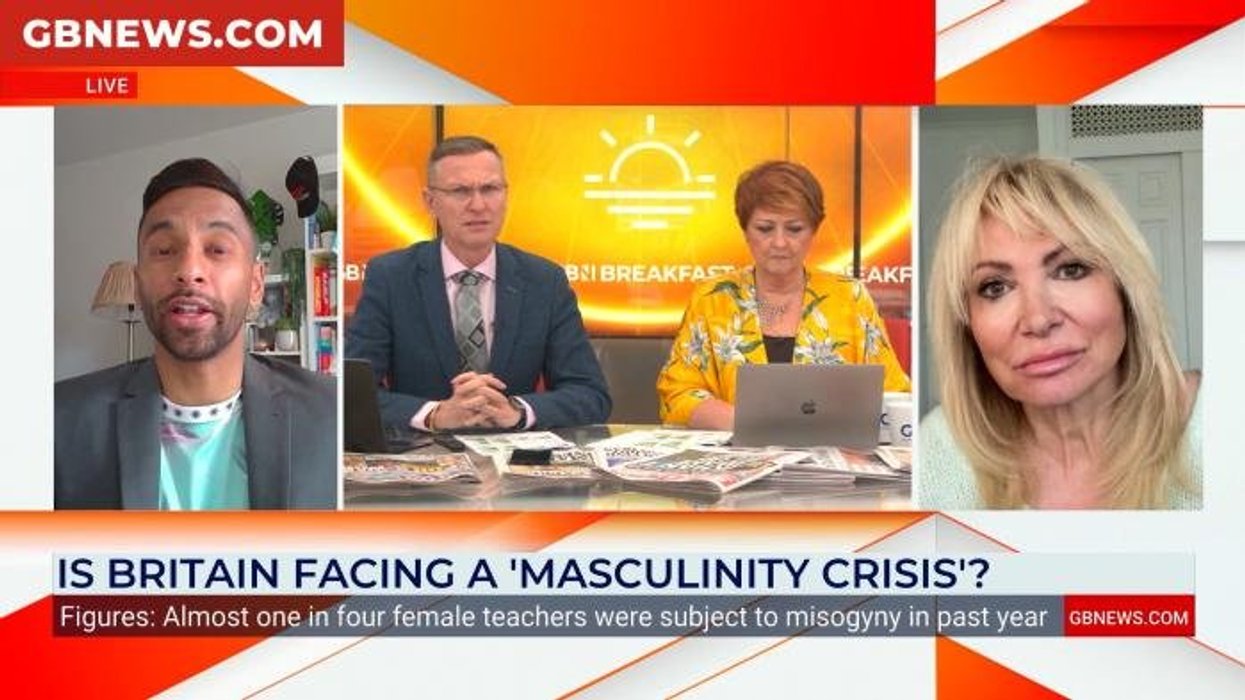









A "masculinity crisis" is developing in British schools, with misogynistic abuse directed at female staff reaching its highest recorded level, the NASUWT teachers' union has warned.
Survey findings reveal that nearly one in four female educators experienced misogyny from pupils during the past year, marking the fourth consecutive annual increase since tracking began in 2023.
The proportion has climbed steadily from 17.4 per cent three years ago, through 19.5 per cent in 2024 and 22.2 per cent in 2025, according to the poll of more than 5,000 teachers.
Women responding to the survey described feeling "traumatised", "demeaned" and "humiliated" by the behaviour they encountered in classrooms.
TRENDING
Stories
Videos
Your Say
The union is demanding mandatory training to help staff address conduct linked to online radicalisation and the so-called "manosphere".
Teachers recounted disturbing incidents, including one pupil creating AI-generated naked images of a staff member, while boys made jokes about sexual assault and laughed when confronted about it.
One educator reported being called a "f****** s***" by a student, whilst others described being subjected to sexual noises and gestures designed to demean them.
Female staff said they were routinely patronised, with pupils addressing them as "love", telling them to "calm down", and making remarks such as "must be that time of the month".

Teachers have been left feeling ‘traumatised’ and ‘humiliated’ over misogynistic abuse in UK schools
|GETTY
Some women reported that male pupils simply refused to listen to them because of their gender, with parents offering little support.
One teacher struggling with teenage boys was apparently told to: "Work in a f****** nursery."
NASUWT general secretary Matt Wrack described the situation as a "ticking time bomb", noting that women comprise over 70 per cent of the teaching workforce.
"If female teachers are reporting that they cannot contain gender-based aggression in their classrooms, and that is exactly what they are telling NASUWT, then we have a ticking time bomb on our hands," he said.
LATEST DEVELOPMENTS:

Union chiefs have warned over a ‘masculinity crisis’ brewing in education
|GETTY
He emphasised that these pupils would eventually become "husbands, fathers and colleagues in the workplace" who may gain influence in public life, urging intervention "before it is too late".
The union leader called for compulsory professional development programmes enabling teachers to recognise, confront and safely defuse behaviour stemming from online radicalisation, sexism and hatred.
"This generation of teachers faces an unprecedented task that requires urgent action from policymakers," Mr Wrack added.
The National Education Union has reported similar concerns, with general secretary Daniel Kebede warning that "addictive social media algorithms are feeding our children harmful content on a daily basis" with "clear negative effects".

The NASUWT is demanding mandatory training to help staff address conduct linked to online radicalisation and the so-called 'manosphere'
|GETTY
Rebecca Hitchen from the End Violence Against Women Coalition demanded strong sanctions against technology companies failing to address online misogyny, telling The Guardian that schools were "bearing the brunt" of hatred "fuelled by profit-seeking tech companies".
The Department for Education stated that "misogynistic views are not innate, they are learned" and confirmed the Government's commitment to use "every possible tool to achieve our mission of halving violence against women and girls".
Officials said updated relationships, sex and health education guidance was designed to ensure young people could identify positive role models, whilst resources were being provided to help teachers spot signs of "incel" ideologies.
The department is also strengthening guidance on mobile phones to make clear that schools should be phone-free environments, and launching a consultation with experts, parents and young people about healthy relationships with technology.