








An aggressive virus of Chinese origin has infected bunnies across the globe, silently decimating British populations for more than a decade.
Now a more virulent and deadly variant of Rabbit Hemorrhagic Disease (RHD) is thought to have reached UK shores, with experts raising concern for the loss of the majority of the rabbit population.
The furry friends can succumb to the virus in just two days, causing extensive internal bleeding that seeps through their noses and bottoms - very contagious and with no known cure.
Myxomatosis, a separate viral disease, ravaged the rabbit populations in the 1950s, which reestablished itself over time due to their breeding rate as a species.
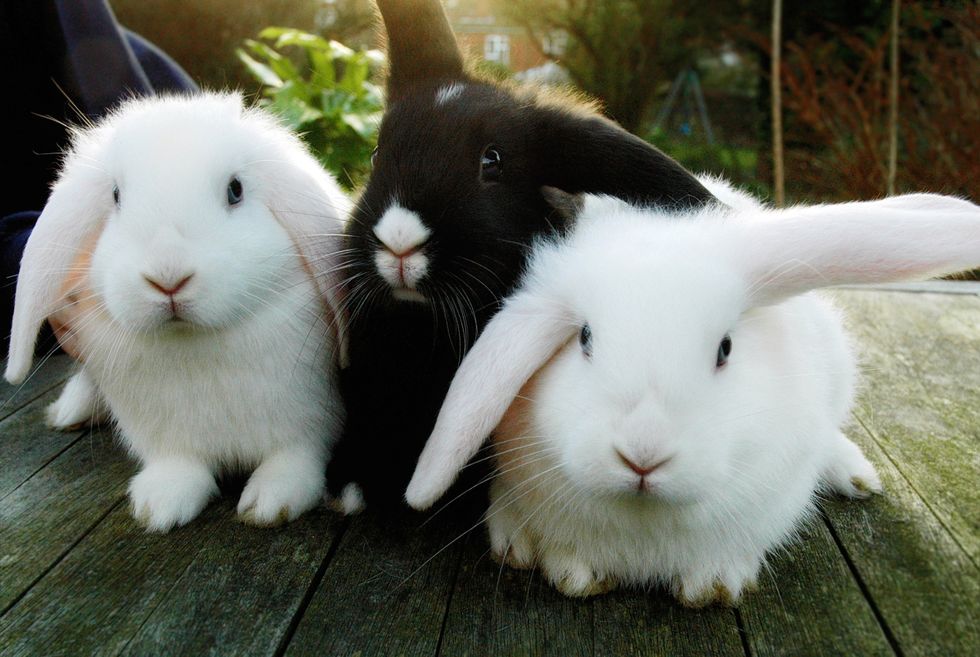 Rabbits are a popular pet in the UK, with an estimated 800,000 currently kept as pets | GETTY
TRENDING
Stories
Videos
Your Say
Richard Saunders, vet advisor for the Rabbit Welfare Association and Fund (RWAF), said he expects RHD to have a similar effect, but that the population might not recover this time.
The deadlier strain is called High-Virulence RHD2, with experts warning if it's not already in the UK, "we're going to get it. It's only a matter of time".
RHD was initially detected in China in the 1980s, and arrived in the UK in 2013, but the rabbit population has endured due to prolific breeding patterns.
Mr Saunders pointed out that people have been trying to hunt them with the intention of wiping them out in certain areas and haven't come close.
However the virus is a much more comprehensive killer than hunters, as he said: "Even if they do develop immunity, the virus may be able to get one step ahead and develop a new strain."
Mr Saunders highlighted a possible defence being scattering enough in numbers and distribution to avoid spreading the virus until they develop some sort of immunity.
There is a preventative vaccine developed on the continent now available to domestic bunnies in the UK.
While this could be an effective counter for human-kept rabbits, vaccinating wildlife is riddled with practical and ethical difficulties.
LATEST DEVELOPMENTS
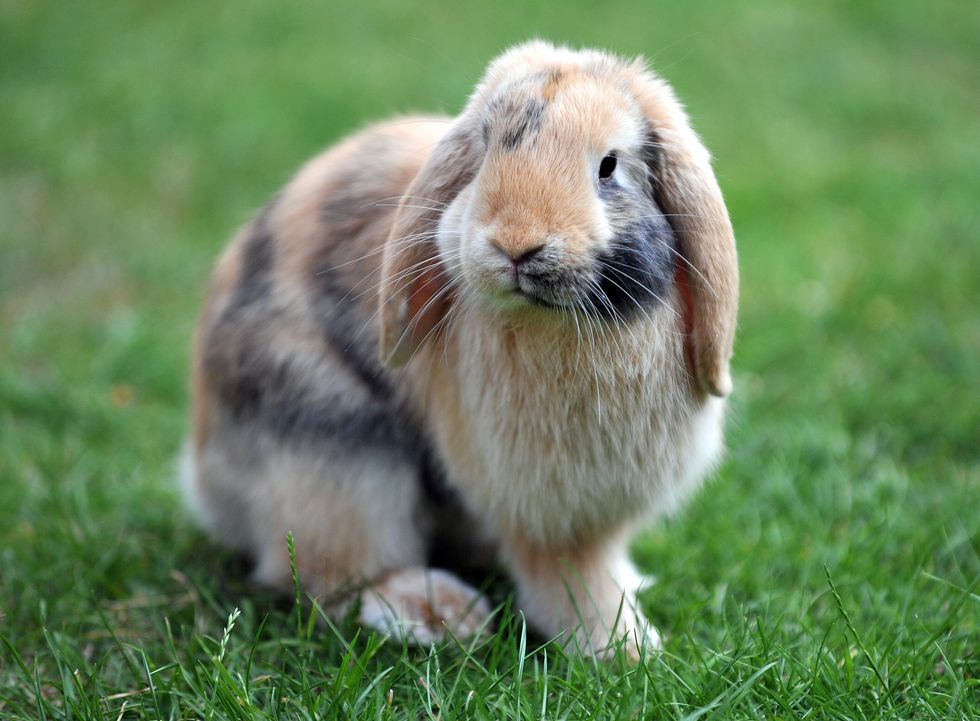
There are preventative vaccinations available for domestic rabbits
| PAAs an incredibly robust virus, in ideal cold conditions without UV light, it can live for up to eight months without a host body, with it's survivability being instrumental to its spread across the globe.
Mr Saunders continued: 'It's everywhere. It's been identified on tiny, rocky islands with only seabirds living on them.
"It's been identified in places that don't even have rabbits as predators bring back their infected prey".
With fear of the new high virulence variant reaching the UK, testing is vital in the battle against RHD.
The RWAF are involved in developing more accurate tests for the new variant, but it is proving a difficult task, with calls for more funding to be put towards this global rabbit pandemic.
The loss of the rabbit population will have a real effect on people, also, in that farmers will miss the presence of rabbits.
In terms of biodiversity, rabbits are good in UK farmland because they dig around and scatter seeds, getting rid of some of the more dominant plants.
In the animal kingdom, Mr Saunders believes that predator populations like foxes and birds of prey will likely be lowered because of heavy depletion of the rabbits as a significant food source.
He believes that because of this, farmers should be safe from increased attacks on their livestock from hungry foxes.
Mr Saunders added: 'It would be lovely if we got some financial assistance with developing testing.
"It would be lovely if people knew about this so that they can make sure at least the domestic pet rabbits were vaccinated".
More From GB News