






Loneliness in Britain is soaring to unprecedented highs, despite the UK becoming the first nation in the world to appoint a minister for this portfolio nearly a decade ago.
GB News has explored the reasons behind the UK's chronic loneliness epidemic, with sources blaming the breakdown of traditional family structures, working habits and social media for the surge in solitude.
Feelings of isolation are particularly evident among young people and working-class Britons, with 70 per cent of 18- to 24-year-olds feeling lonely compared to 32 per cent of over 75s, the Centre for Social Justice (CSJ) found.
However, experts have pointed out changing social attitudes have led to a rise in loneliness among citizens. The CSJ's Head of Programme (Housing and Communities), Josh Nicholson, told the People's Channel charities he works with are dealing with levels of loneliness "off the scale".
The think-tank found 29 per cent of young Britons are suffering from a form of "existential loneliness", which is described as feeling a "fundamental separateness" from other people in the wider world.
Adults aged 16 to 24 were the group most likely to report high levels of "indirect loneliness", with levels over double those of adults aged 65 to 74, who were the least likely, according to the Department for Culture, Media and Sport's (DCMS) latest Community Life Survey.
Dr Meg Jay, a clinical psychologist and author of The Twentysomething Treatment: A Revolutionary Remedy for Young Adult Mental Health, attributed the gradual rise of loneliness to the fall of "third spaces" such as churches, social clubs and amateur sports leagues due to austerity measures and high running costs, as well as the rise of screen time on digital devices.
She added: "Of course, these two trends are related as screen time replaces time spent with others. Loneliness among young men is a significant problem, one that has indeed become worse across the 20 years I have been working with young adults."
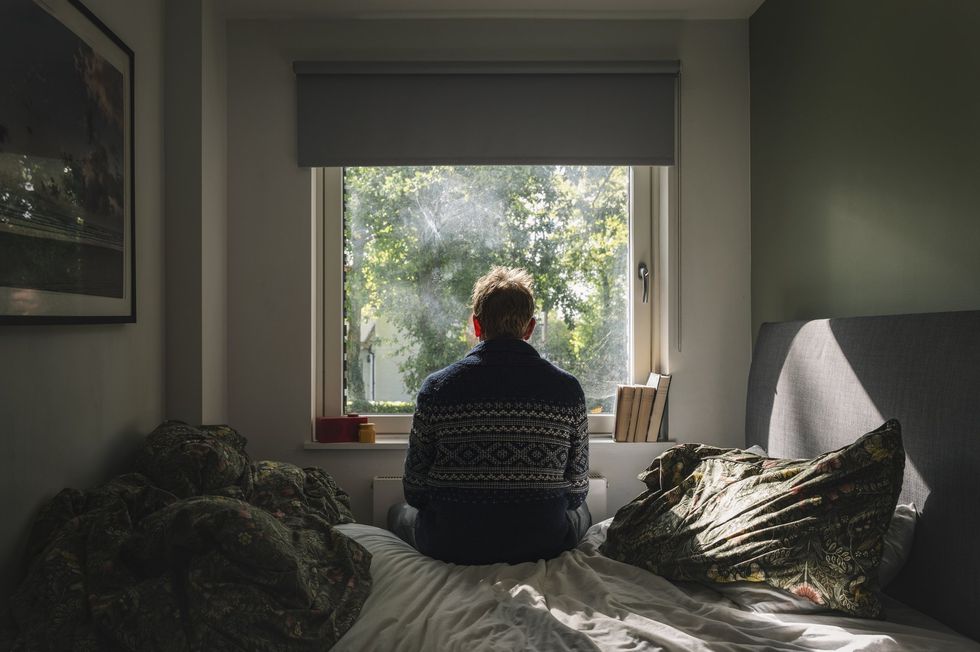
Loneliness in Britain is soaring to unprecedented highs
|GETTY
One reason for lower levels of loneliness among the elderly could be they are less likely to admit they are desolate than youngsters, who could be more open about how they feel.
Rebecca Ridley, National Manager of The Silver Line Helpline at Age UK, said: "I witness loneliness and the devastating impact of it daily. There is no single bullet to tackling the issue of loneliness; we all hold a shared responsibility, from the Government and local councils to family members, friends and the individual themselves."
She highlighted how those in low-income families may struggle to access devices or reliable internet, which may restrict opportunities for them to maintain friendships, access services, or engage with local communities.
Nearly a million older Britons are often lonely, and approximately 270,000 people in England go a week without speaking to a friend or family member, Age UK says.
Because of the stigma some people feel about saying they are lonely, Ms Ridley believes real numbers could be much higher.
She declared: "Many individuals within this generation are proud people who did not necessarily grow up with the same levels of acceptance of mental health challenges that exist today.
"Of course, the pandemic and its societal restrictions had a huge impact on older people, with many who rely on visiting their neighbours or trips on the bus for their social connections, then stuck behind closed doors for months on end. However, today’s outlook isn’t much brighter."
Ms Ridley added: "As our population ages, the number of people who are at risk of being lonely increases and if serious measures aren’t taken, the number of older people who often feel lonely will increase to 1.2 million by 2034."
"In fact, when surveyed, 1.1 million older people said they are embarrassed about feeling lonely, with one in five (2.7 million) not wanting to burden their family and friends by explaining how they’ve been feeling, meaning more than one in three (4.8 million) often say they’re fine when they’re not."
A third of Britons aged 16 to 29 have reported feeling lonely "often, always or some of the time", according to Office for National Statistics (ONS) research published last November. The data also showed 17 per cent of those over 70 also reported the same feeling.
LATEST DEVELOPMENTS:
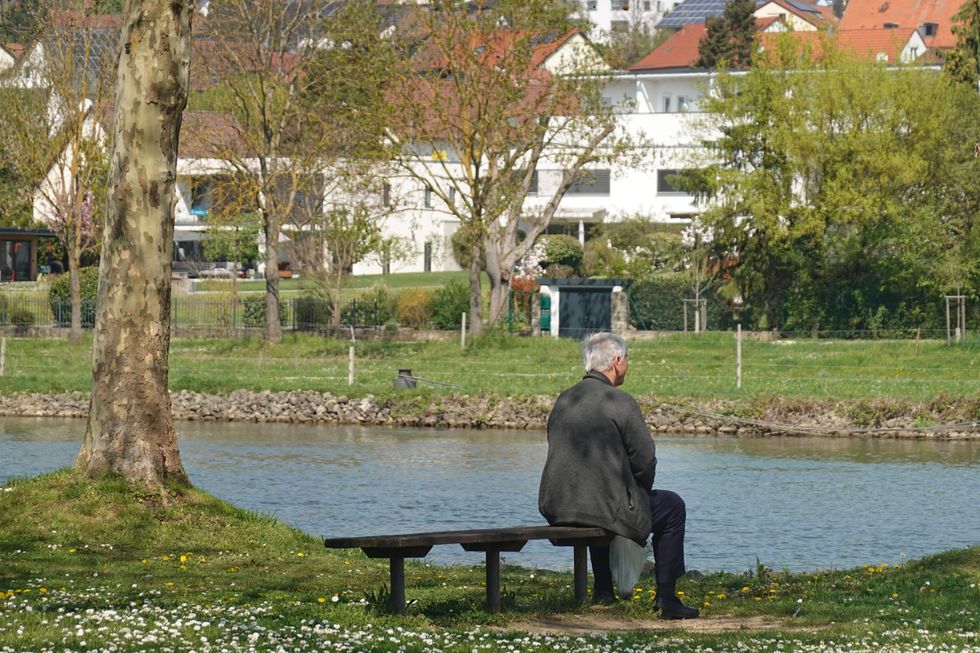
The elderly may be less likely to admit they are lonely than younger people
|GETTY
The issue is not restricted to the UK, with the World Health Organisation's (WHO) Commission on Social Connection revealing a sixth of people worldwide are affected by loneliness. Young adults and adolescents report the highest levels of loneliness globally.
Sadly, loneliness is linked to an estimated 100 worldwide deaths every hour, or 871,000 annually - more than the population of San Francisco. Mr Nicholson suggested family estrangement and the loss of primary support systems are among the biggest causes of loneliness in modern Britain.
Mr Nicholson argued, despite being identified as the leading factor in the epidemic, expanding family hubs and expanding perinatal support are almost entirely absent from the Government's loneliness strategy, saying: "British families are among the most fragile in Europe. One in six kids born will not live with a father. About half don't live with both parents when they sit their GCSE.
"You can't separate the experience of loneliness in modern life from the distinct fragility of British families. Family is like the first relationship you're born into. It's the foundation of how you learn how to relate to other people in society.
"You can have learnt that through how you relate to your siblings or parents, and when that structure and security isn't there, it's no doubt that so many people say they feel more lonely."
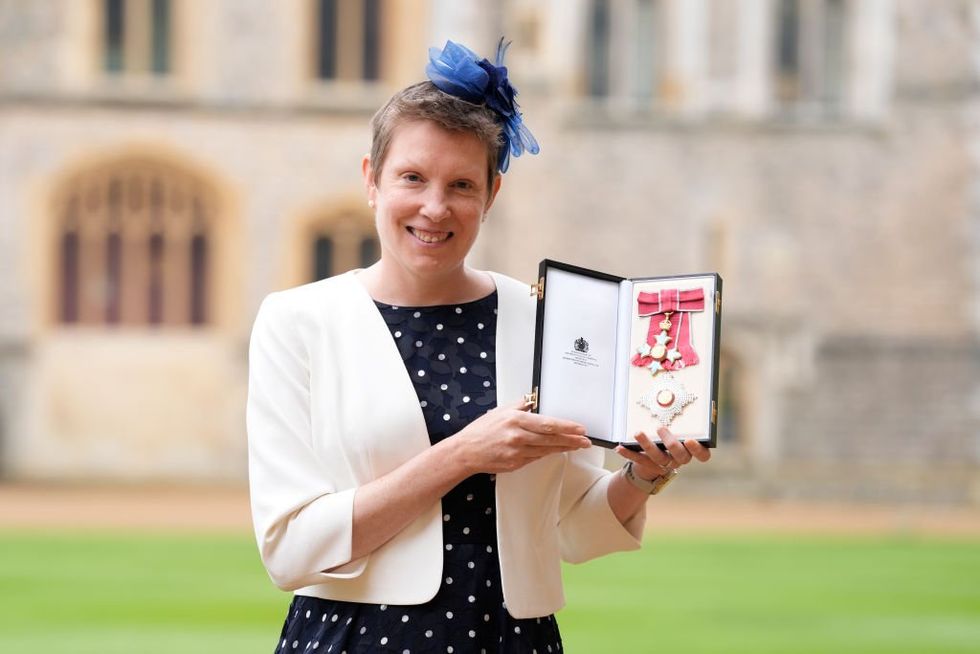
Tracey Crouch was appointed as the world's first minister for loneliness
|GETTY
One young man, who experienced loneliness firsthand, opened up by saying: "Not having a father figure is hard. There’s so many of us that don’t have that, and I see how it affects boys, the fights, not having a father to turn to, and a lot of us don’t have any male role models to help.
"Teachers at school are no good for this. My mum does great and I see how hard she works to bring us up so that’s a positive."
The wellbeing of those in their 20s fell by 10 per cent between 1995 and 2015, which the CSJ attributes to the result of a decrease in the strength of family relationships in Britain.
Mr Nicholson added: "(Family) is one of those topics that Westminster and politics aren't speaking about enough. It doesn't play a big enough part, we believe, in the strategy. That's why we've been calling on the Government to adopt a renewed strategy that really engages with these root causes."
Mr Nicholson also highlighted declining marriage and birth rates are statistically significant predictors of loneliness, which have plummeted to record lows in England and Wales.
If present trends continue, the number of marriages are predicted to fall by 28 per cent by 2050, meaning just three in ten Britons will be wedded, Statista forecasts predict.
Rates have fallen by roughly three-quarters for men and two-thirds for women since 1972.
Marriage among those in their early 20s has almost entirely disappeared, dropping from 62 per cent of men being married by 25 in 1970 to just two per cent today.
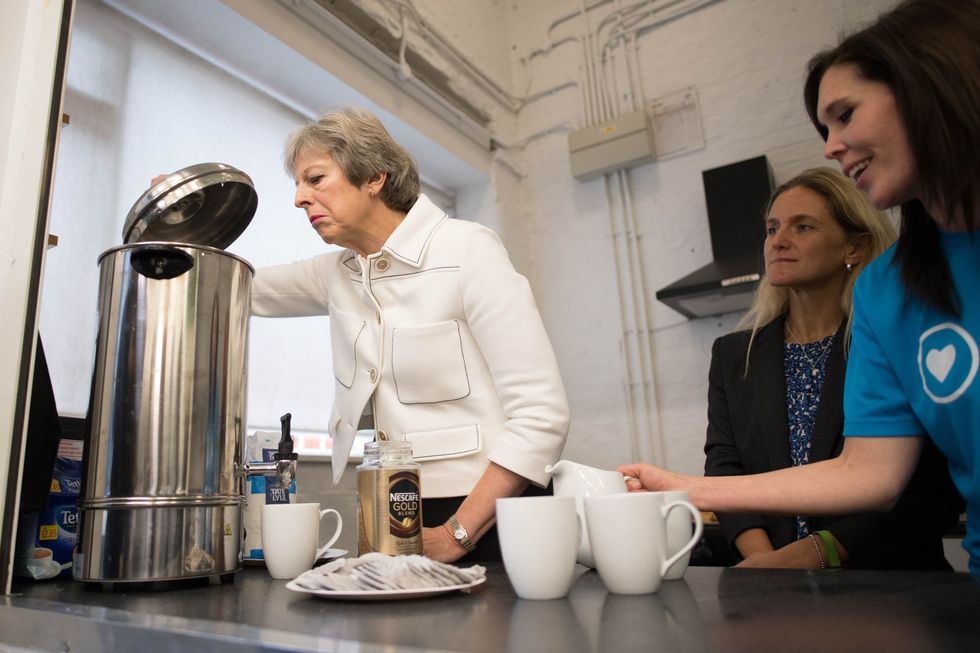
Former Prime Minister Theresa May introduced the UK’s first loneliness strategy in 2018
|GETTY
Dr Jay claimed women are more likely than men to seek help for their problems due to social norms, stressing: "Women tend to have more face-to-face friendships, meaning ones that centre on talking.
"Men tend to have more shoulder-to-shoulder relationships, or ones that are about doing. Interventions that bring men together and give them a reason to be active – groups, functions, workplaces, volunteering, sports, and churches – are almost always the way to start."
Dr Jay cautioned against the use of artificial intelligence (AI) as a pastoral support tool because it gives a false "someone" for people to turn to in times of need, while social media simultaneously fosters "fake portrayals of reality".
The CSJ's research on "Lost Boys" found nine out of ten boys aged 16 to 24 have used a chatbot in the past year.
Mr Nicholson stated: "I think that is a really interesting development, and one that I think we're particularly worried about, because that cannot replicate a real human being in your life, like a family figure or a friend.
"So I think, you know, social media is one thing, but also this sort of the impact of AI on loneliness is one that needs Government to really be taking seriously."

Department for Culture, Media and Sport said: 'We want men to feel part of something'
|GETTY
Others have pointed to Britain's ballooning welfare bill and "sicknote culture" as significant contributors to loneliness, with 1.78 million people reportedly unemployed between December 2025 and February 2026 — an increase of 206,000 from the previous year.
Mr Nicholson acknowledged: "Those out of work are much more likely to feel lonely. Half of people not in any form of education, employment or training say they are lonely, often compared to just under one in five of those in work.
"The number of people on the welfare system is really going to make this problem worse. We're seeing upticks of people kind of on out-of-work benefits, which is also going to then bleed through to issues like feeling more isolated and lonely."
He also addressed the rise in work-from-home culture and explained the damage it can cause to forming important bonds, stating: "For the young people who perhaps haven't formed a family yet, the office is where you can build relationships with your colleagues, friendships and maybe even find a partner.
"That's how many people met their friends and romantic partners. The screen epidemic that we're seeing is not good for issues like loneliness and isolation in modern society."
Dr Meg added: "The 'second space' of work is declining as remote and hybrid work becomes more popular.
"Remote work may be convenient, but for many men, work was how they made connections and friends. It was an easy way to grab lunch or start a conversation.
"We are making work more convenient, but relationships less convenient. Another factor is how often young adults move cities and change jobs, so they are often starting from scratch again and again."
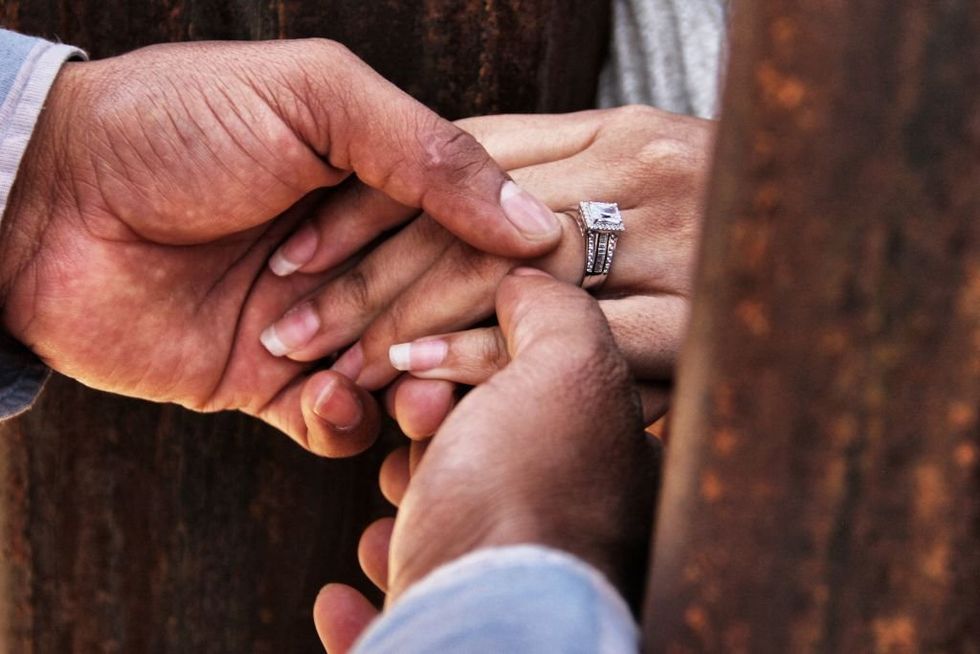
The decline in marriage is a statistically significant predictor of loneliness
|GETTY
In an attempt to combat loneliness in Britain, Theresa May introduced the UK’s first loneliness strategy in 2018, appointing Tracey Crouch MP as the first minister for loneliness.
One year later, as Mrs May was replaced as Prime Minister by Boris Johnson, Whitehall expanded social prescribing and provided funding for charities through programmes such as the Building Connections Fund.
The coronavirus pandemic, which heightened social isolation and financial strains, led Mr Johnson’s administration to provide £5million for organisations such as Age UK and NHS Volunteer Responders.
Awareness campaigns became the main focus in 2021, with Boris Johnson promoting Every Mind Matters and “Lift Someone Out of Loneliness", particularly aimed at graduates.
Rather than launching a new strategy, Liz Truss and Rishi Sunak focused in 2022 and 2023 on continuing social prescribing and localised support.
Sir Keir Starmer plans to spend £400million on grassroots sporting facilities, whilst the National Youth Strategy will allocate £500million to establish 250 new or renovated youth hubs nationwide.
Approximately £150,000 in annual funding supports the Tackling Loneliness Hub — an online platform that enables practitioners to exchange research and effective approaches.
Meanwhile, the state-backed Rugby League Cares programme aims to tackle male suicide by fostering face-to-face discussions about mental wellbeing and countering harmful online environments.
Although the project successfully met its initial objectives, Mr Nicholson argued Labour's plan is outdated and limited.
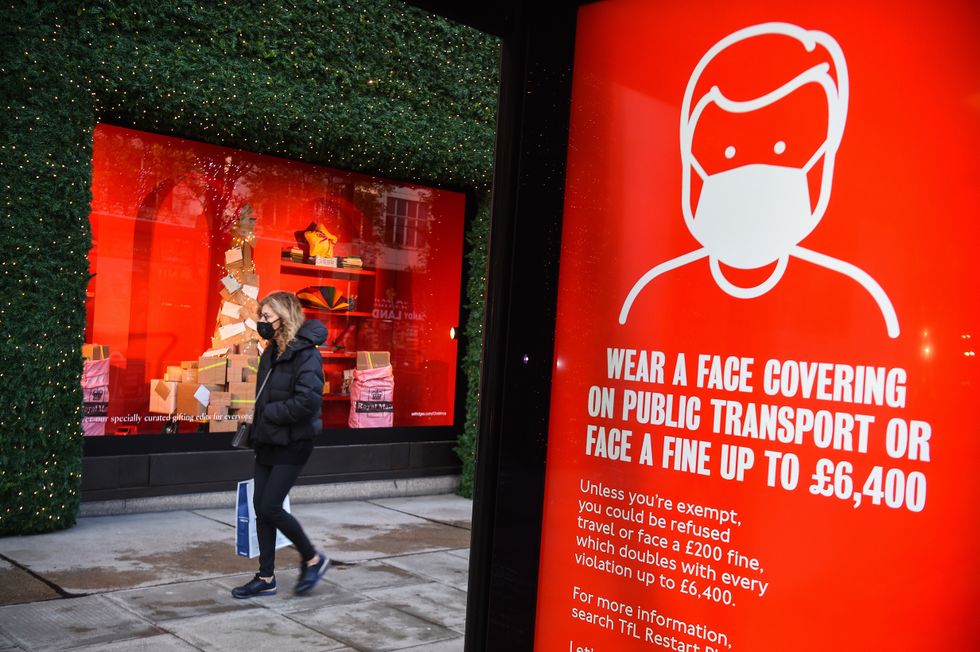
The pandemic led Boris Johnson to provide backing for support organisations
| PAHe called for a strategy "that can better engage with the root causes of loneliness in society that we're seeing, one that moves from just kind of trying to understand it more to actually tackling the problem".
A Department for Culture, Media and Sport spokesman told Britain's News Channel: "We know that loneliness is affecting too many boys and young men in this country.
"We want men to feel part of something, with a renewed sense of community, purpose and belonging.
"Our Team Up campaign united the biggest names in sport to tackle isolation and support the mental health of young men and boys.
"We’re not just working to prevent harm: we’re building a culture where men feel connected, valued and empowered."
Suicide remains the leading cause of death for men under 50 in the UK, with roughly 12 men dying by suicide daily.
Anyone who is in emotional distress, struggling to cope or at risk of suicide can call the Samaritans anonymously for free from a UK phone on 116 123 or go to samaritans.org.