









Children are having anxiety attacks, sleepless nights, and fears of dying young due to concerns about climate change, a major new study has found.
The international research, published in the Journal of Environmental Psychology, is one of the widest overviews of how young people feel about climate change and reveals how deeply climate fears are embedding themselves into the emotional lives of a generation.
The analysis reviewed 48 studies looking at how children and teenagers up to 19 feel about climate change and environmental damage.
It covered several countries, including the UK, US, Australia, Canada, Sweden, Brazil and the Philippines, and found that for many young people – including children in Britain – climate change is not a political argument but something they are frightened of that can keep them awake at night and shapes how they see their future.
TRENDING
Stories
Videos
Your Say
While the review does not calculate a single percentage of distressed children, anxiety and fear were among the most consistently reported emotions. Worry or anxiety appeared in 36 of the 48 studies analysed - three quarters of the research included - fear was identified in 30, while sadness and grief appeared in 25.
One of the UK-based studies cited found that when 11–18-year-olds in England were asked what came to mind when they heard the phrase “climate change”, 90 per cent of emotional responses were negative.
In another US study of 11–18-year-olds cited in the review, 45.4 per cent of responses to climate change were coded as negative, with words such as “death,” “disaster,” and “destruction” frequently used.
Consultant clinical psychologist Ron Bracey said he is “concerned” at the research and urged parents and schools to "teach critical thinking".
He said: “Children need to learn to see the bigger picture and to understand there are also scientists that do not think this is such a problem. These children have been affected by fear about climate change and both schools and parents need to help them realise there are more sides to this.”
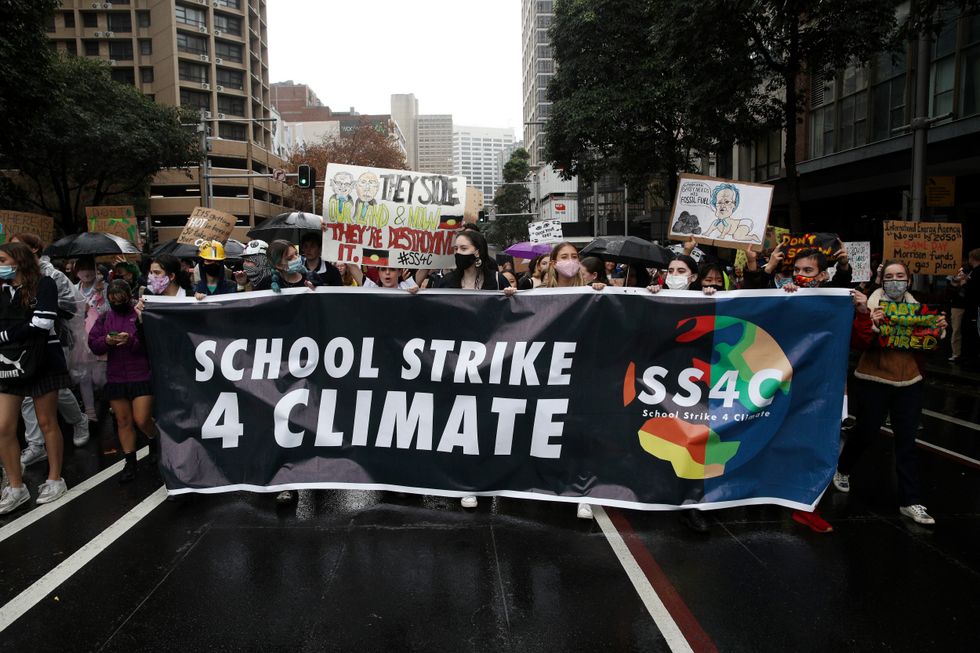
Children are having anxiety attacks, sleepless nights, and fears of dying young due to fear of climate change, a major new study has found
|GETTY
One teenager aged between 13 and 18 told researchers: “I don’t think I have a future now. I am almost expecting to die before I would ‘naturally’.”
Among children aged 10 to 12, night-time fears were described. One child said: “I felt scared, at two in the morning it came to my mind that we could die because of that.”
Another pre-teen questioned whether long-term plans even make sense: “We are taught to dream big and plan for the future but if we have no future what should we plan for?”
Some children are also worried about what lies ahead for future generations. A 10–12-year-old said: “I feel sad because when I die, I am probably going to have a grandson or a great grandson by then and maybe them or their son or nephew is going to have to experience the end of the world.”
LATEST DEVELOPMENTS
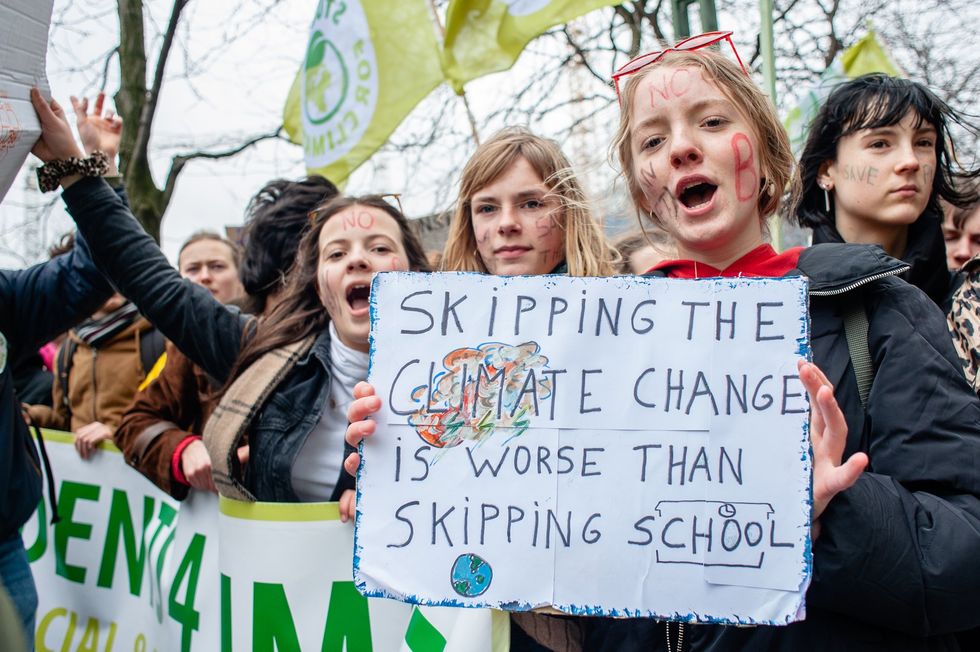
Nighttime fears, long-term plans and worries about what lies ahead for future generations are some of the concerns pre-teens are now facing, the study showed
|GETTY
Older teenagers described a mix of anxiety and helplessness. A 16-year-old said: “I feel really helpless. What can I do? I'm a 16-year-old kid in a classroom. I've got all these views, but what can I do about it?”
Others reported physical symptoms linked to anxiety. One participant aged 10 to 12 said: "I ended up having an anxiety attack, in which I get nervous, I can’t breathe right and it’s weird.”
Anger frequently accompanied fear, particularly among adolescents aged 14 to 18. One said:
“Youth want them [governments] to take action… We need action now, we do not need it in the next twelve years, we need it now.”
Another added: “I have the feeling that no one cares. They’ll say, ‘Anyway, I’m not the one who’s going to suffer, it’s going to be the children, other people’s children. It’s not my generation.’”
Separate research has also found high levels of climate-related concern. A large 2021 survey published in The Lancet Planetary Health reported that 59 per cent of 16–25-year-olds across 10 countries said they were “very” or “extremely” worried about climate change.
Media exposure was also identified as a driver of fear. In one study referenced in the review, 70 per cent of interviewed children cited television, news, and films as a key source of climate-related anxiety.
“If you have ever seen that movie The Day After Tomorrow, it is kind of really scary how everything is coming together and hurricanes are destroying stuff,” one 10–12-year-old said.
“I could say there’s more - there’s also periodic feelings of sadness or like depression because like the weight of the situation sits in especially with the extinction of species and the melting of the polar ice caps,” one 13–18-year-old said.
While the paper stresses that "eco-emotions" are not automatically signs of clinical mental illness - describing them as “not pathological but… justified, reasonable, and adaptive responses” - it also documents cases where distress disrupted sleep, triggered panic attacks or led to intrusive thoughts about death and catastrophe. Grief over environmental loss was another recurring theme.
The researchers conclude that climate awareness is shaping how children think about safety, stability, and the future.
While some studies in the review also documented feelings of hope, the dominant pattern across countries was one of anxiety, fear, and uncertainty.
Our Standards: The GB News Editorial Charter
More From GB News