

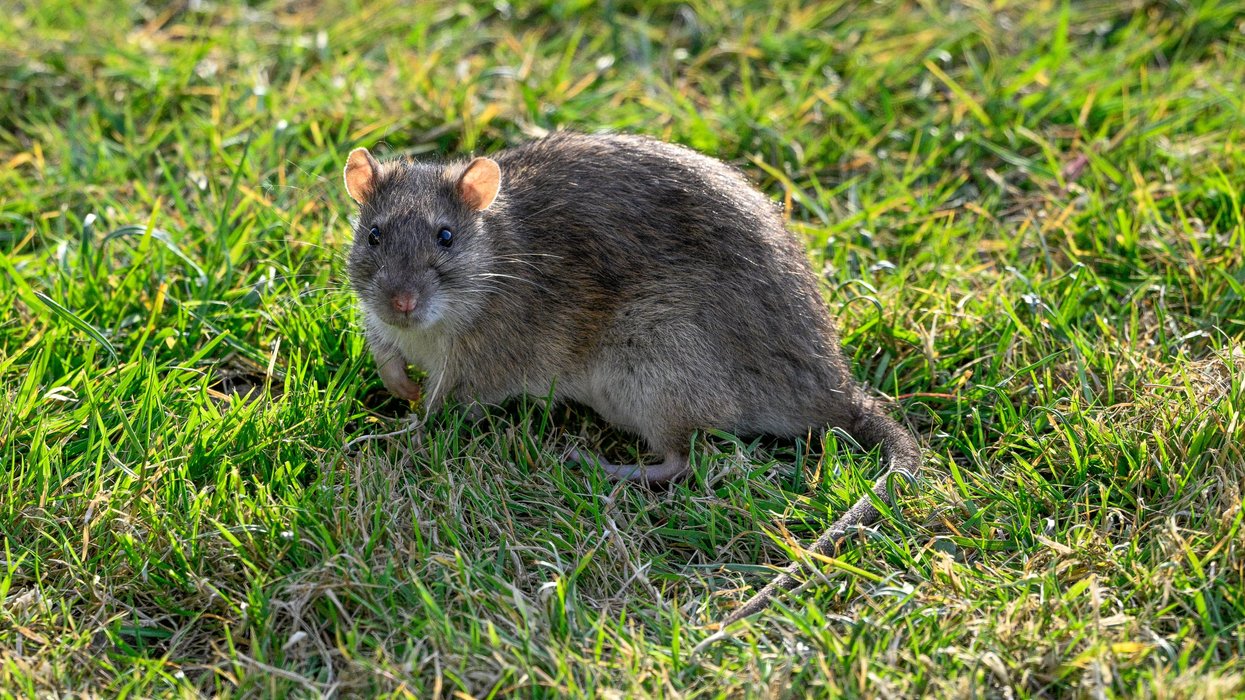









Rat activity across properties in the UK has surged over the past year, with experts attributing the rise to extreme weather patterns.
Data from Rentokil Pest Control shows rat infestations have risen by 10 per cent, with the pest control firm believing last year's record-breaking summer temperatures, combined with an unusually wet beginning to 2026, have created ideal conditions for rodent populations to flourish.
Longer-term climate trends may also be playing a role, with 2025 confirmed as Britain's warmest year on record.
Warmer conditions can extend the breeding season for rats, allowing populations to grow larger than usual.
TRENDING
Stories
Videos
Your Say
The exceptionally rainy start to this year has compounded the problem further.
Northern Ireland has experienced the most dramatic surge, with confirmed rodent activity climbing 26 per cent compared to the previous year.
Yorkshire follows closely behind with a 20 per cent increase, while the North West of England recorded a 19 per cent rise. The trend extends well beyond these northern regions, however.
The West Midlands saw activity jump by 16 per cent, and Scotland reported a 14 per cent increase.
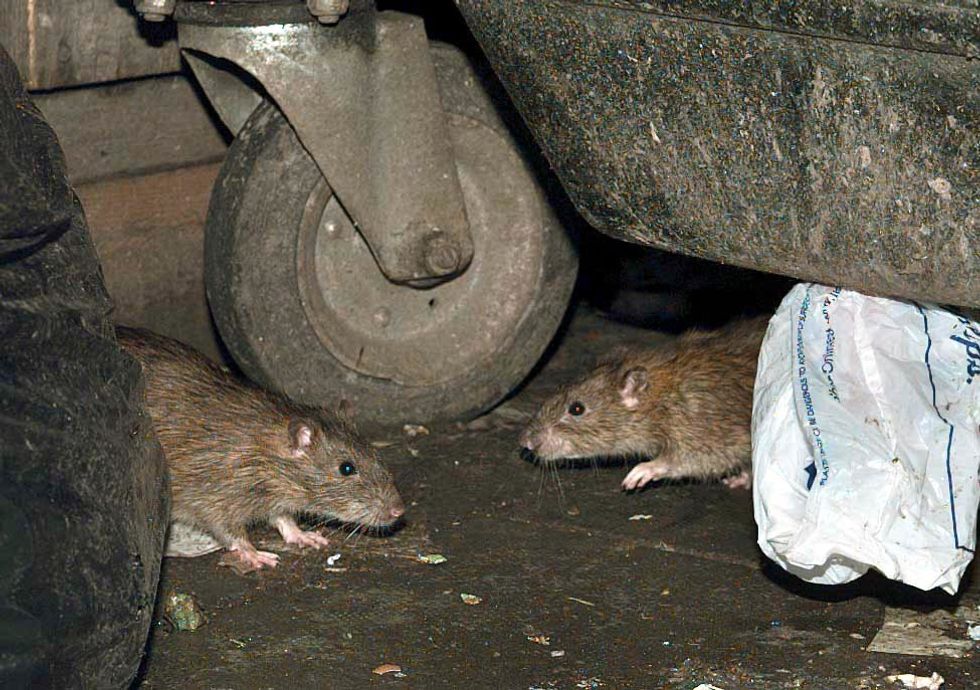
Rat activity across properties in the UK has surged over the past year, with experts attributing the rise to extreme weather patterns
|PA
These double-digit increases across multiple parts of the country suggest the problem is widespread rather than localised.
Persistent heavy rainfall has flooded underground burrow systems and drainage networks, forcing rats to abandon their usual habitats in search of drier ground.
Paul Blackhurst, from Rentokil, said: "Rats are highly capable swimmers. They can navigate strong currents, enter exposed pipes and sewers, and swim considerable distances in open water.
"However, what they cannot tolerate is prolonged submersion. When burrow systems and sewer networks flood, rats are forced to seek higher, drier ground, increasing the risk of infestations in properties."
LATEST DEVELOPMENTS
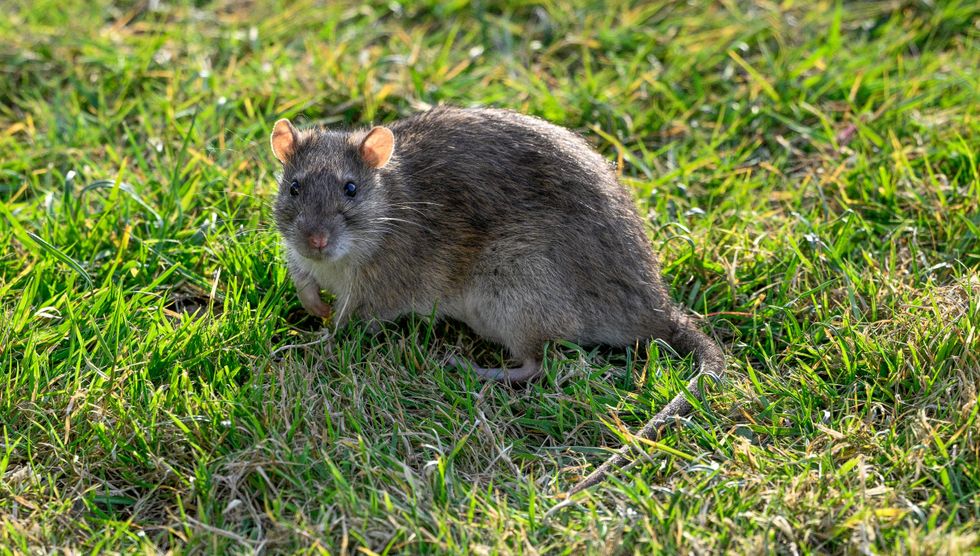
Northern Ireland, Yorkshire, the West Midlands and Scotland have experienced the most drastic rises in numbers
|GETTY
Mr Blackhurst warned that northern areas already showing significant increases could face further pressure if wet conditions persist.
He emphasised that taking early preventative measures and seeking professional assistance remain crucial for homeowners concerned about potential infestations.
Property owners are advised to act swiftly following periods of heavy rain, storms or flooding to minimise the risk of rodents.
Clearing fallen branches, leaves and other accumulated debris from around buildings should be a priority, as such material provides ideal nesting spots for rodents.
Checking walls and foundations for gaps is equally important, given that rats can squeeze through remarkably small openings.
Sealing any potential entry points discovered during inspections can make a considerable difference.
Outdoor waste management also matters significantly.
Bins should be robust, fitted with secure lids, and positioned away from building walls wherever practical to remove easy food sources.
Our Standards: The GB News Editorial Charter
More From GB News