









For decades, the people who served this country have been assured that their wellbeing would remain a priority long after their service ended.
Yet when it comes to hearing protection, many veterans feel the system has been difficult to navigate and slow to respond.
“It was always about manning up, getting on with it, and not complaining,” says Scott Mitchell, former Combat Support for the Royal Artillery.
“It took me a long time to accept that the MOD haven’t looked after me.”
A growing number of British servicemen and women are living with hearing loss from their time in the Armed Forces. Research suggests veterans are 2.3 times more likely to experience hearing loss compared to the civilian population - highlighting the importance of effective protection, monitoring, and long-term support.
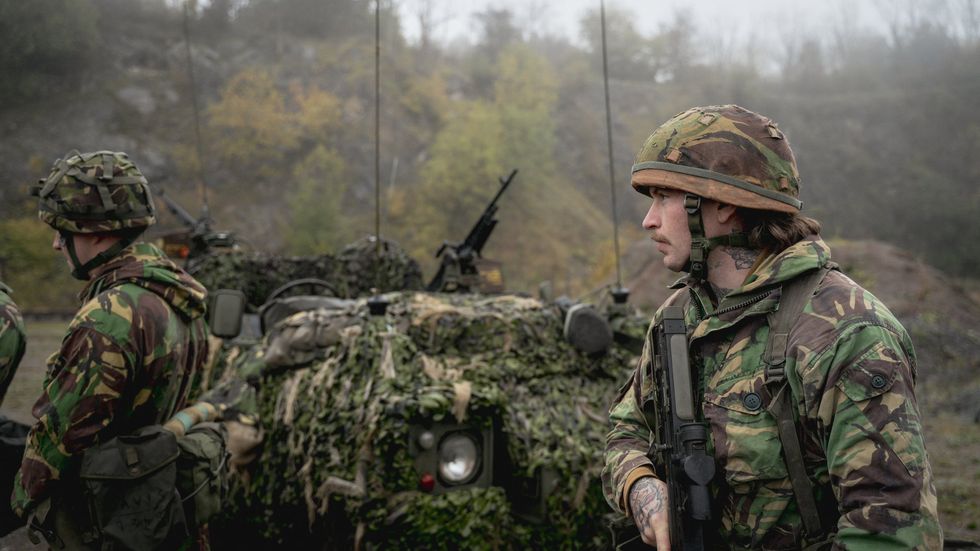
Military service often involves exposure to high noise levels
|VETERANS FOR VETERANS
Protection, risk, and long-term impact
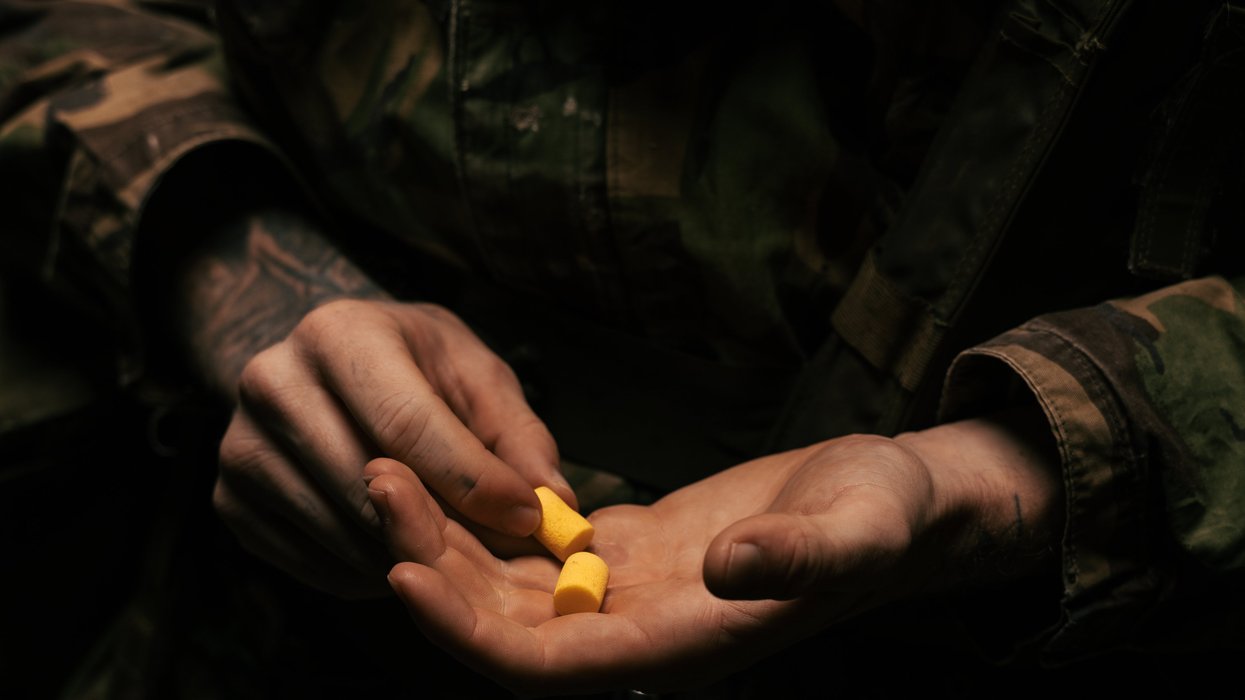
Military service often involves exposure to high noise levels - from rifle training and artillery drills to mechanical equipment and live exercises.
While hearing protection has long been provided, some veterans report that it was not always consistently used, properly fitted, or suitable for the environments in which they served.
Others say that early signs of hearing damage were not always closely monitored, reflecting a wider culture in which noise exposure was sometimes seen as an unavoidable part of service life.
"After coming out, I had stabbing pains in my ears and head - sometimes it was unbearable. In 2016, a specialist told me the mastoid bones in my middle ear had disintegrated,” Stephen Gregory says, “When I mentioned my time in the infantry in Afghanistan, he said, 'That’s definitely it.'"
For many former personnel, the effects are permanent. Hearing impairment and tinnitus can influence daily communication, employment, and social life, leaving some veterans feeling increasingly isolated.
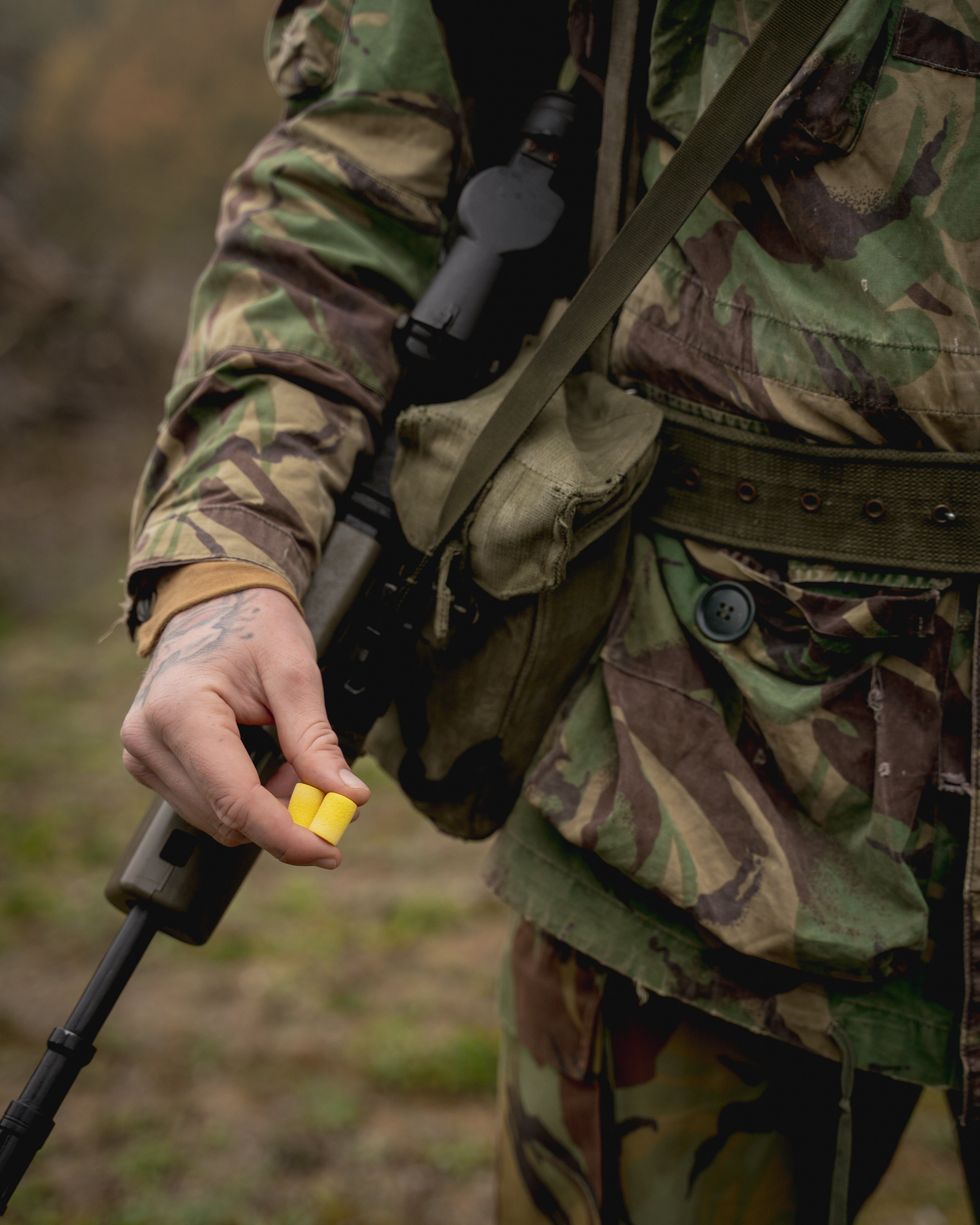
Organisations like Veterans for Veterans aim to ease the sense of overwhelm many veterans experience
|VETERANS FOR VETERANS
Navigating the claims process
Veterans who pursue compensation often describe the process as demanding and time consuming.
Establishing a clear link between service conditions and hearing loss can be complex, and claims may involve detailed medical evidence and extensive documentation.
Some veterans report waiting several years for their claims to be assessed, with long periods between updates. Others have raised concerns about accessing MOD medical records, particularly in cases where claims continue after a veteran has passed away.
While these challenges reflect the complexity of assessing long-term health impacts, many former service personnel say the experience can feel overwhelming.
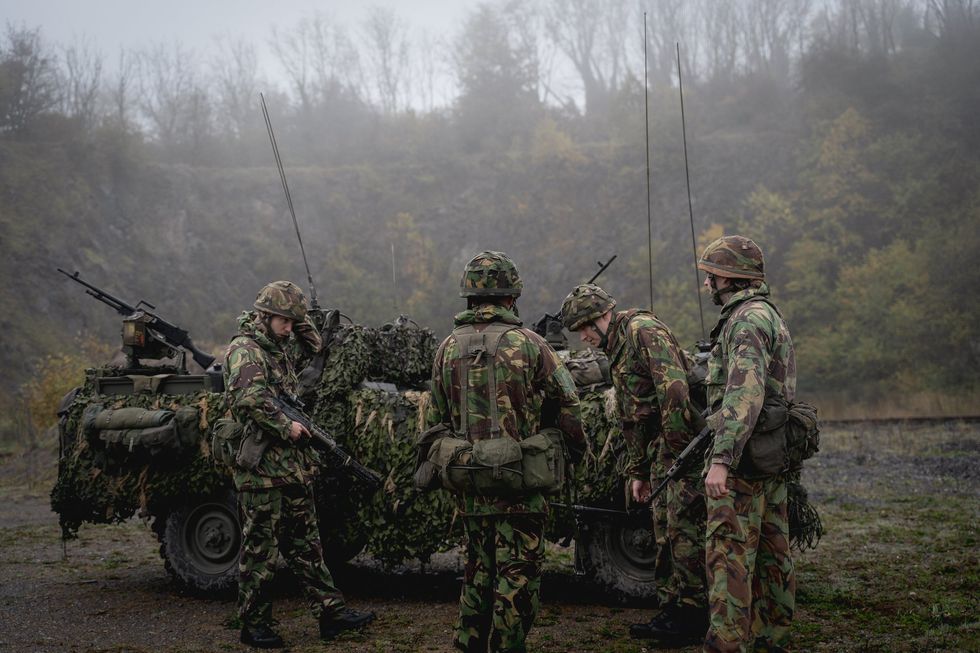
Many servicemen and women suffer with hearing issues in later life
|VETERANS FOR VETERANS
Making the claims process easier
Organisations such as Veterans for Veterans aim to ease the sense of overwhelm many veterans experience by helping them understand and manage the claims process from the very beginning.
Led by former service personnel, they provide clear, practical guidance on how claims typically progress, what to expect at each stage, and what steps to take when pursuing a hearing loss claim.
A key part of that support comes from shared experiences. Speaking to people who understand military life, and the realities of navigating compensation claims, can provide reassurance as well as practical direction.
For many veterans, that combination of clarity and understanding makes the process feel far less daunting. “I recently used Veterans for Veterans services to assist with my claim for noise-induced hearing loss from my time in service.
They guided me step by step and helped gather evidence, which has made a stressful situation much more manageable. I highly recommend their services to any veteran seeking help - they truly put veterans first.” Mark Sully, Veterans for Veterans client.
The silent war must be heard
Hearing loss is often invisible. There are no medals for enduring it and no public recognition of the daily strain it places on conversations, relationships, and independence. For many veterans, it has become a quiet, persistent reminder of service - one that continues long after the uniform is put away.
It is a daily struggle of missed words, constant ringing, and systems that can feel difficult to navigate when support is needed most.
When they first joined the Armed Forces, they were given simple assurance; that they would be looked after.
For veterans now living with hearing damage, what matters is whether that still holds meaning in practice. Recognition and practical support are not acts of goodwill -they are the fulfilment of a promise made to those who served.