









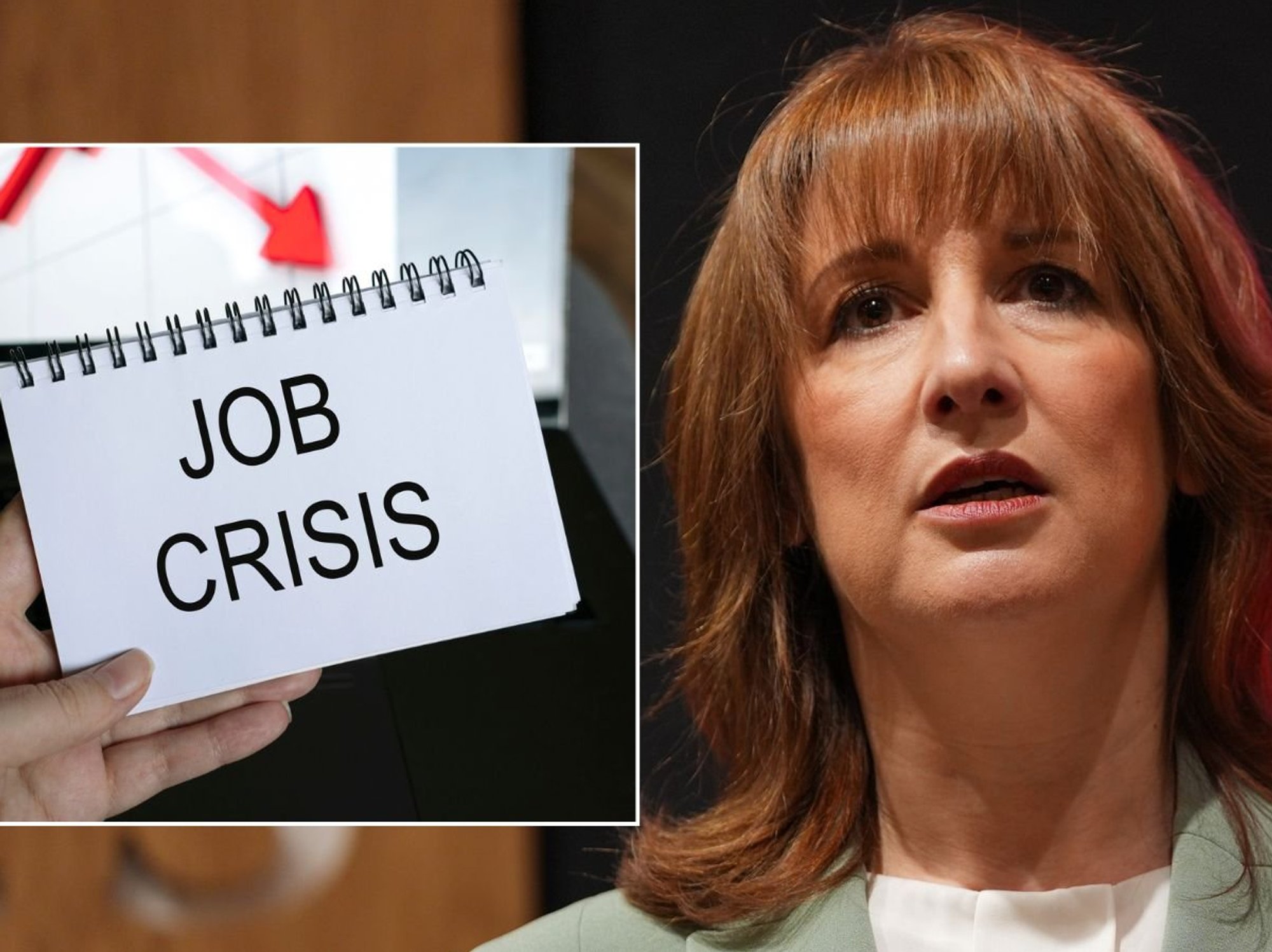
Britain's youth unemployment crisis is deepening as growing numbers of young people struggle to find work.
Competition for entry-level jobs has intensified sharply, with applicants facing increasingly crowded recruitment processes.
Lord Simon Wolfson, chief executive of Next, said the scale of competition for jobs at the retailer highlighted the severity of the problem.
Speaking on the BBC's Big Boss Interview, he revealed that applications for jobs in Next stores have almost doubled in the past two years. The number of applicants per vacancy has risen from 10 to 19.
"I think that doubling of applicants for shop jobs is indicative of just how big the crisis is in youth unemployment at the moment," he said.
The warning comes as official figures show that almost one in six people aged 16 to 24 were unemployed during the first quarter of 2026. That is the highest unemployment rate for the age group since 2015.
Lord Wolfson, who also sits in the House of Lords as a Conservative peer, blamed rising employment costs and weak economic growth for the shortage of entry-level opportunities.
He described increases in employers' National Insurance contributions and the National Living Wage as a "tax on entry-level employment", arguing that higher labour costs have made it more expensive for businesses to hire younger workers.
Lord Wolfson said the changes "have to be reversed", but stressed that stronger economic growth would be even more important in helping young people find work and creating more opportunities across the labour market.
"If you've got fewer jobs, then the people who suffer the most are those with the least experience," he said.

Lord Wolfson blamed rising employment costs and weak economic growth for the shortage of entry-level opportunities
|GETTY
The retail and hospitality sectors have been particularly affected by rising staff costs, with recent official statistics revealing significant drops in both payroll numbers and available positions across these industries.
Lord Wolfson also directed criticism at the Government's Employment Rights Act, which provides workers with entitlements to guaranteed hours rather than zero-hour or low-hour arrangements.
Additional provisions due to come into force next year will require employers to provide valid justifications when turning down requests for flexible working.
The retail chief characterised these changes as "restrictions on flexible part-time working" and warned they would lead to fewer shifts being offered.
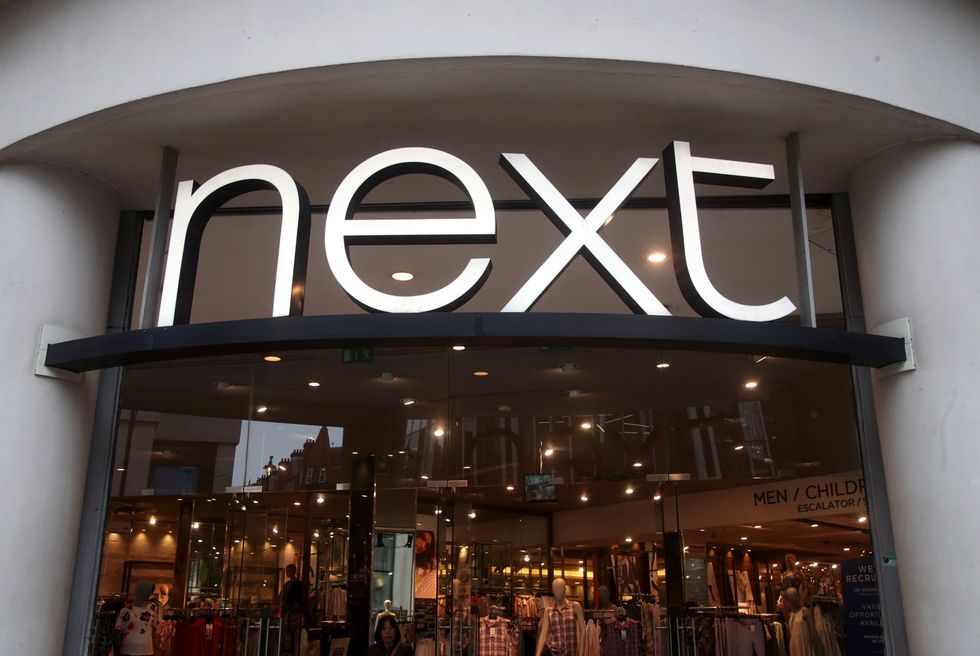
The retail and hospitality sectors have been particularly affected by rising staff cost
| PA"The result of that is we will offer fewer hours and (fewer) extra hours at Christmas," he told the BBC.
He cautioned this would prove "bad news for our colleagues who want the extra hours, particularly students and bad news for our customers because service won't be as good".
However, the Work Foundation has challenged Lord Wolfson's assessment of the employment reforms.
Alice Martin, Head of Research at the Work Foundation at Lancaster University, pointed out that the measures being criticised have not yet taken effect.
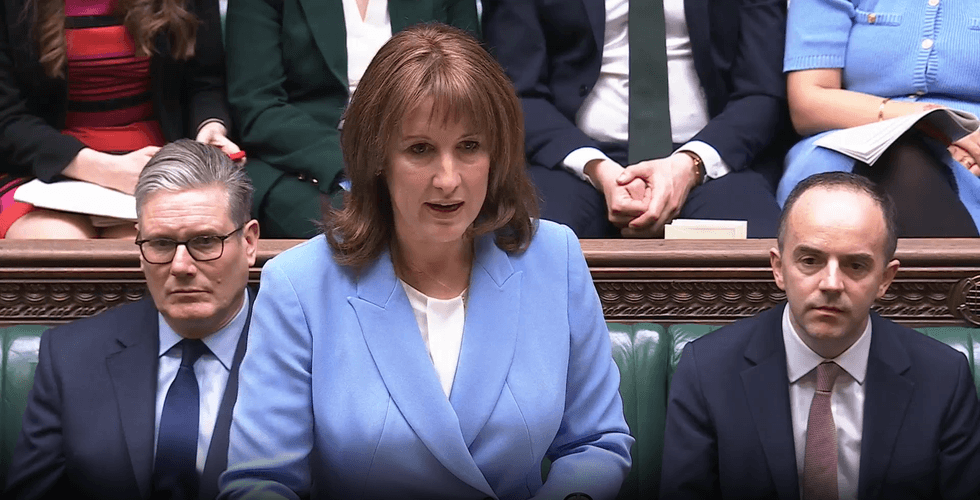
Lord Wolfson also directed criticism at the Government's Employment Rights Act, which provides workers with entitlements to guaranteed hours rather than zero-hour or low-hour arrangements
| POOL"These reforms have not yet come into force, so blaming current hiring trends on them is misplaced," she said.
Ms Martin acknowledged that young people face "one of the toughest labour markets in years" with fierce competition for dwindling starter roles, but argued this did not justify weakening pay or job security.
She noted that one in five UK workers currently experiences severely insecure employment without predictable income or basic protections, adding that young people's particular vulnerability to precarious work "only strengthens the case for improving job quality".