

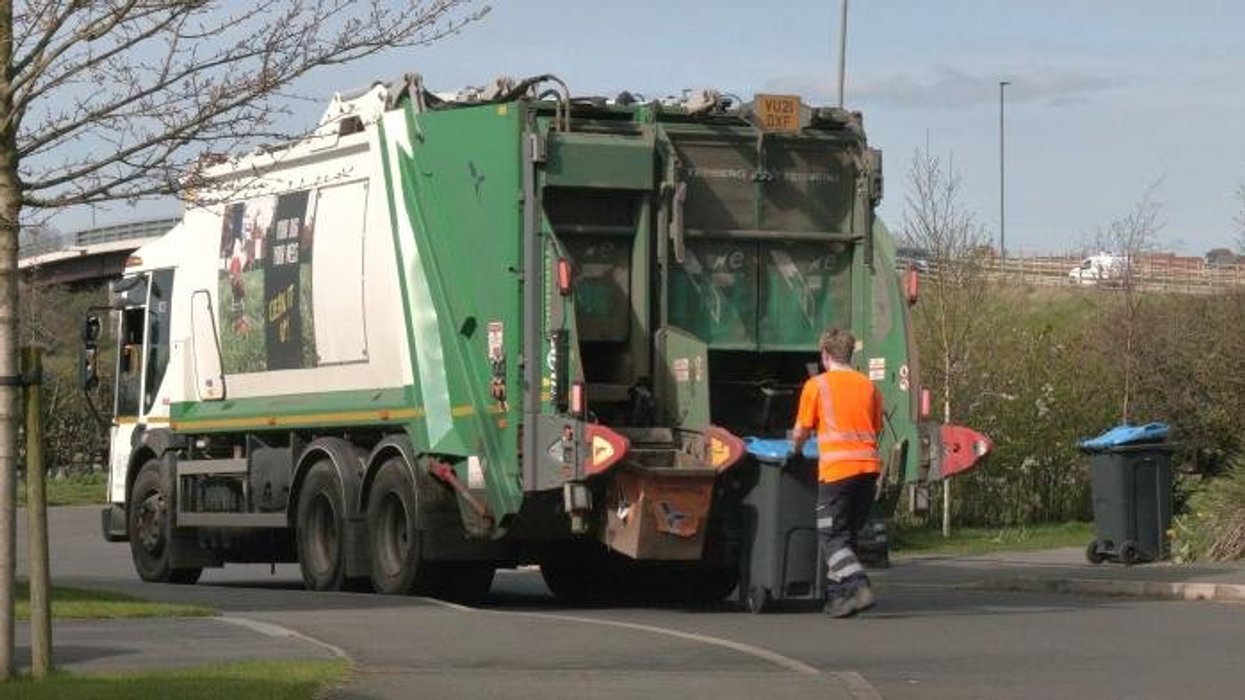









Bin collections are changing today under the Government's Simpler Recycling initiative, designed to end the "postcode lottery" of waste disposal.
Households in England will have four bins to make it easier to separate waste and the new regulations mandate a universal standard for what can and cannot be recycled.
There are four bins for food and garden waste, paper and card, all other dry recyclable materials (glass, metal and plastic, including cartons) and residual waste, which is non-recyclable waste that is sent for energy recovery or to landfill.
The biggest change for many will be the introduction of food waste collections - this is currently being rolled out nationally and comprises of one small, five-litre indoor bin, and a larger 23-litre outdoor bin.
TRENDING
Stories
Videos
Your Say
Residents across the country could face a £400 fine if they incorrectly place certain things in their bins as the new rules come into force.
In North Yorkshire, the council has already started rolling out red bins for cardboard and paper.
It allows the local authority to increase the amount and quality of recycling collected at the kerbside, reduce the cost of collection, and help towards carbon reduction.
Cllr Richard Foster, North Yorkshire Council Executive Member for Managing the Environment (Conservative), also told GB News that separating the recycling also improves the quality of material, reduces processing costs, and generates a higher value when it is processed.
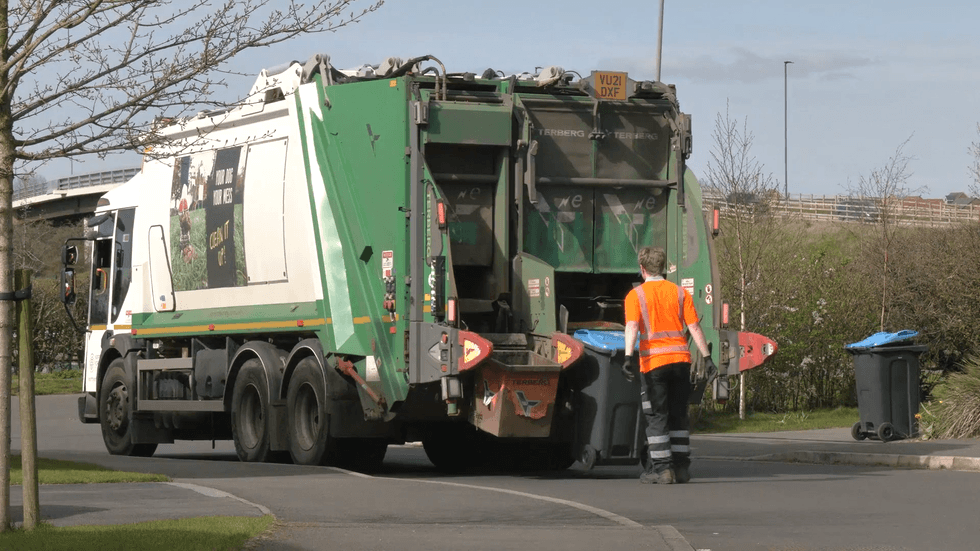
The Government's new Simpler Recycling initiative is designed to end the 'postcode lottery' of waste disposal
|GB NEWS
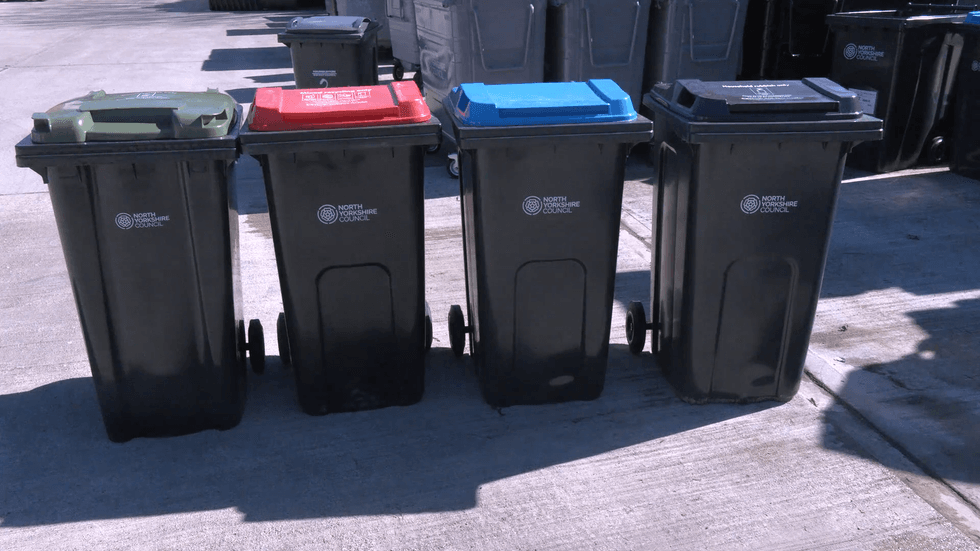
Households in England will have four bins to make it easier to separate waste
|GB NEWS
"We've collected paper and cardboard separate and then we've got glass, cans, plastic and all of the recyclables in another bin, and then finally our general waste bin, and green waste bin," he said.
"The idea is just by separating them, they're actually more valuable to us as an authority, and they're also more usable in the recycling industry.
"Good quality recyclates have a higher value and therefore we can sell them for more, so therefore, in theory, we shouldn't have to put the council tax up, but we can spend that elsewhere on other things, potholes or wherever else it is."
Some local authorities have had weekly food waste collections in place for more than a decade. But many are having to start from scratch, which involves the introduction of new vehicles to handle food waste, as well as new bins.
North Yorkshire Council has been granted transitional relief, allowing it to delay mandatory weekly food waste collections until 2043, despite the national mandate for other English councils to implement them by 2026.
LATEST DEVELOPMENTS:
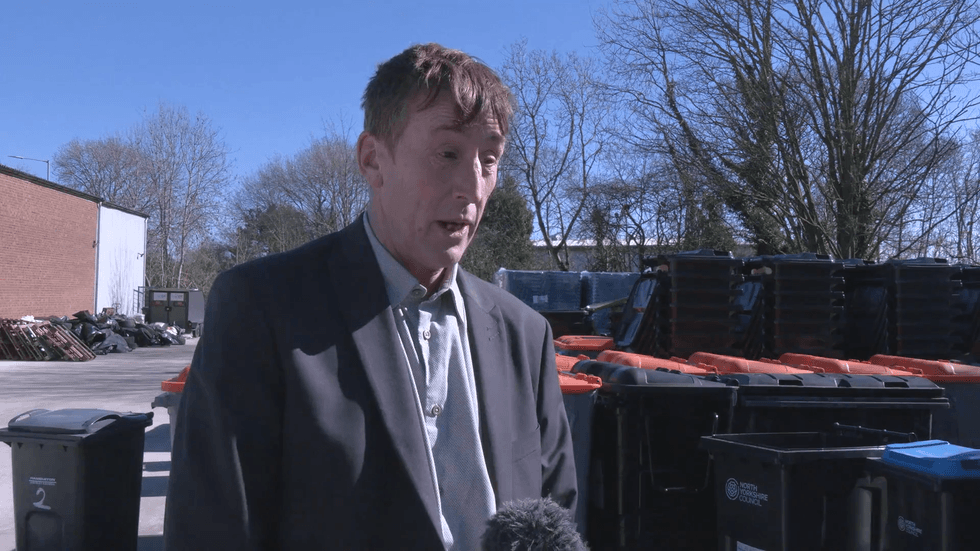
Cllr Richard Foster, North Yorkshire Council Executive Member for Managing the Environment told GB News separating the recycling improves the quality of materialwhen it is processed
|GB NEWS
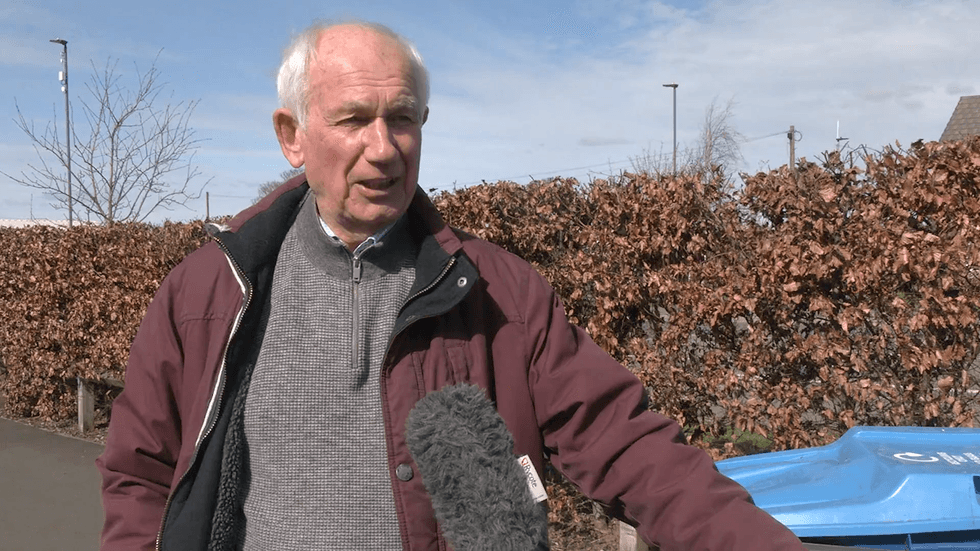
David Toon sees the benefit of recycling but is apprehensive of the new scheme involving another wheelie bin
|GB NEWS
Northallerton resident David Toon sees the benefit of recycling but is apprehensive of the new scheme involving another wheelie bin for paper and cardboard collection.
"I see it has been a lot more faff and I just wonder whether it'll achieve anything," he told GB News.
"Time will tell if it works out well, and all well and good, if it does. If it's not another different day, if it's all done, on the same day so you're not having to remember to put this out and that bin out, if they keep them together, that would help."
Down the road on the high street, shoppers in Northallerton also shared their views on whether the new bins are really worth it.
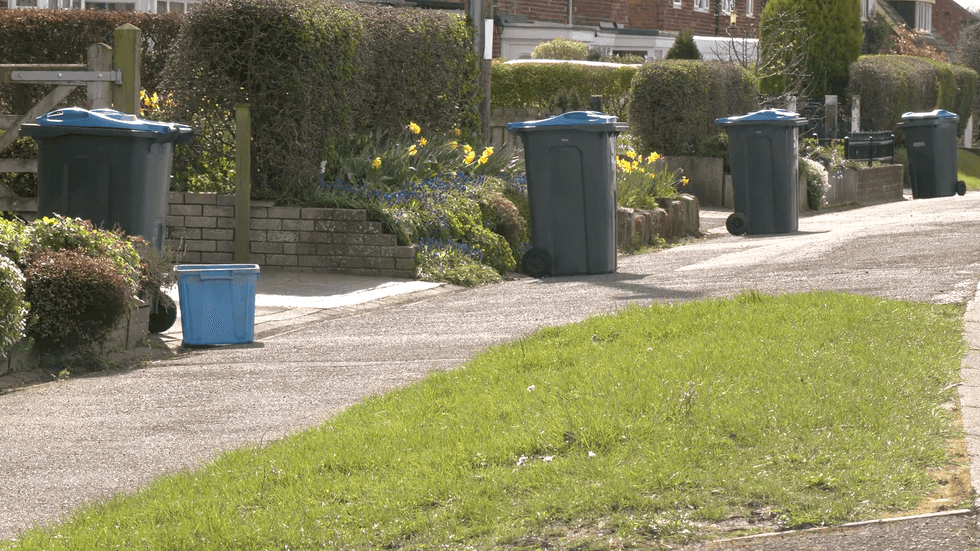
The biggest change for many will be the introduction of food waste collections
|GB NEWS
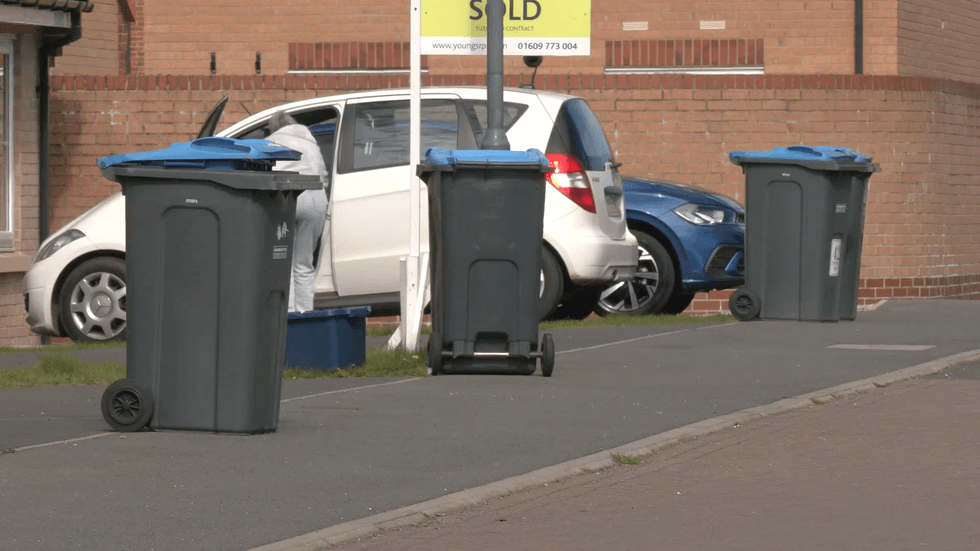
Some residents have expressed concern over where the new bins will be placed
|GB NEWS
Judith Barlow and her husband Gary Barlow questioned whether there would be enough room for an extra bin in front of their house.
"Anything you can do to help recycling is good, but sometimes it's a bit of a chew on I think," said Judith Barlow.
Gary Barlow added: "Yeah, the council have us have so many bins outside I think it's going a bit ridiculous now, as where do you put them?"
Another North Yorkshire resident, Peter Sinclair, said: "I think it's a good idea, but I'm very suspicious of the fact that you often see stories in the papers and in the press to say that all the recycled and separated stuff goes to the same site, so I'm a bit uncertain about that."
Geoff Solomon said: "I've got no problem with splitting up recycling, but how many bins are you going to have? And then remembering which bins go out on which day?"
Gary Stott added: "I'm not up for another bin. I talk a lot of rubbish, but I'm not up for another bin."
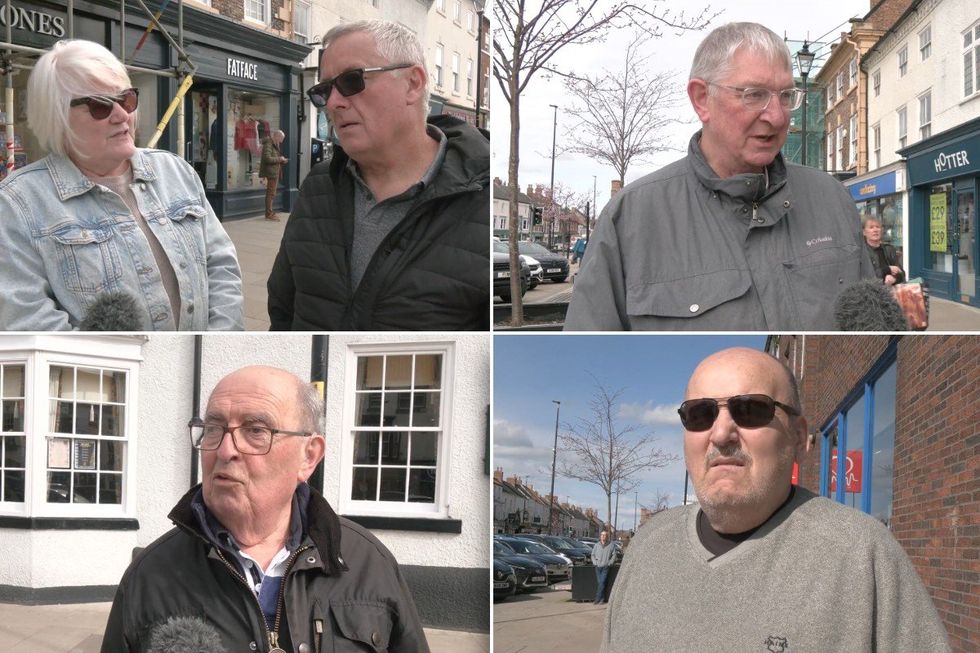
Yorkshire residents told GB News of their fears surrounding the new bin plans
|GB NEWS
Although the change will affect councils across England, not every household will experience major differences straight away.Some local authorities already operate recycling schemes that largely correspond with the new requirements, meaning residents in these areas may notice minimal change.The Simpler Recycling scheme, outlined by the Department for Environment, Food and Rural Affairs, states: “We will make recycling easier: citizens will be able to recycle the same materials across England, whether at home, work or school, and will no longer need to check what is accepted for recycling in their local area. “A universal standard will ensure that everything that can be collected for household recycling is collected in every region.“Simpler Recycling will also end the 'postcode lottery' of bin collections in England, whereby councils collect different materials for recycling, causing confusion for households.”There are a number of items that waste collectors will not collect that cannot be collected.
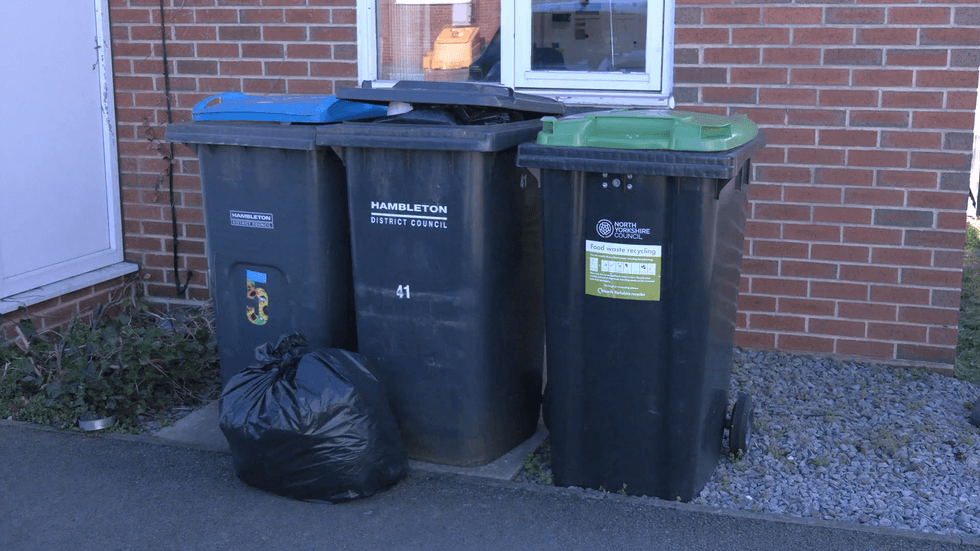
Although the change will affect councils across England, not every household will experience major differences straight away
|GB NEWS
According to the Department for Environment, Food & Rural Affairs, the following 37 items will not be collected:
Glass
- Candles
- Drinking glasses
- Flat glass
- Glass cookware (such as Pyrex)
- Light bulbs and tubes
- Microwave plates
- Mirrors
- Vases
- Window glass
- Ceramics, such as crockery or earthenware
Metal
- Laminated foil, like pet food pouches and coffee pouches
- Electrical items and batteries
- General kitchenware like cutlery, pots and pans
- Kettles
- Irons
- Pipes
- Metal packaging that has contained white spirits, paints, engine oils or antifreeze
Plastic
- Any plastic packaging or non-packaging items labelled as 'compostable' or 'biodegradable’, including coffee pods
- Plastic bottles that have contained white spirits, paints, engine oils or antifreeze
- Bulky rigid plastics such as garden furniture, bins and plastic toys
- Polystyrene (expanded and high impact) packaging such as packing beads
- Polyvinyl chloride (PVC) packaging
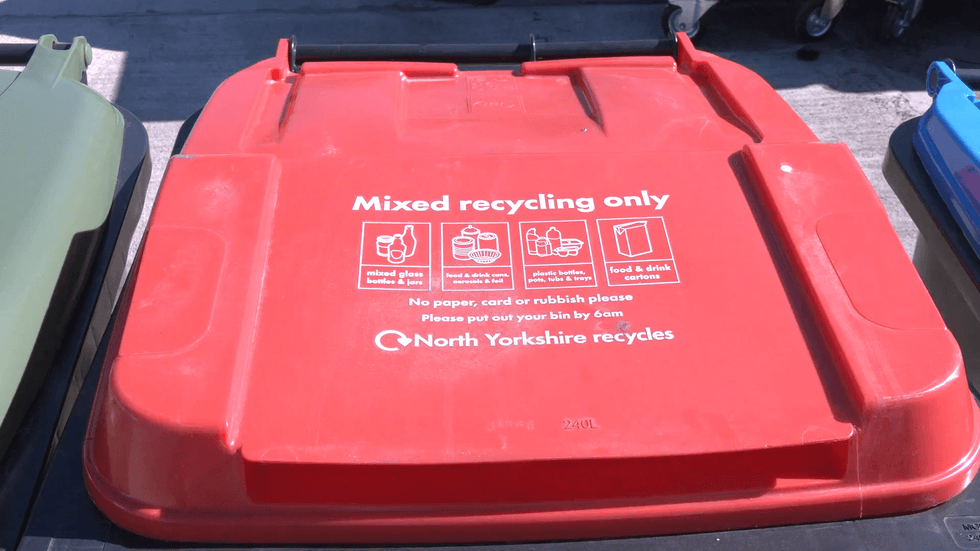
Red bins will be for mixed recycling
|GB NEWS
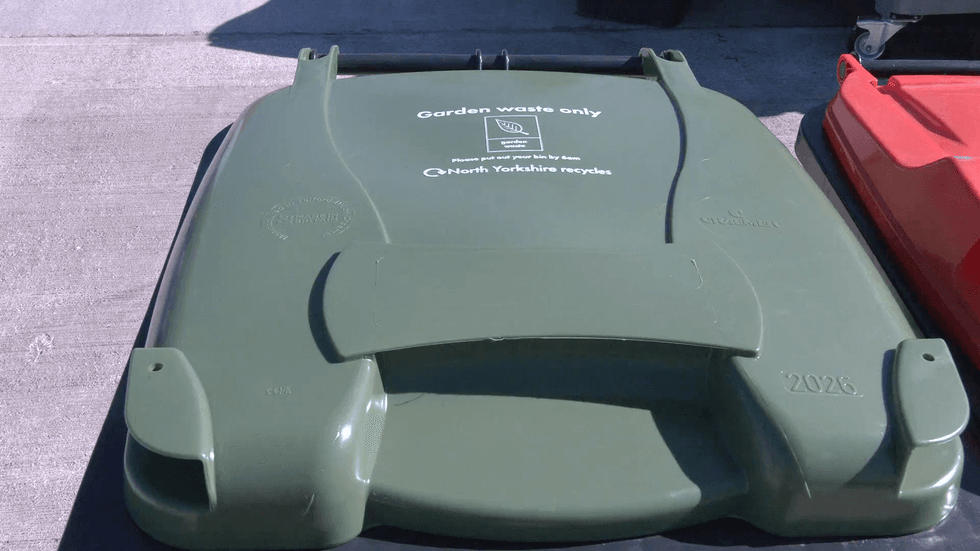
Green bins will be for garden waste
|GB NEWS
Paper and cardFood and drinks cartons made of a fibre-based composite (these should be collected in the plastic stream)Absorbent hygiene products (AHPs), including nappies, period products and incontinence productsCotton wool or makeup padsTissue or toilet paperWet wipesFood wasteAny plastic packaging or non-packaging items labelled as 'compostable' or 'biodegradable', including coffee podsGarden wasteAnimal beddingBulky waste (including garden furniture and fencing)Garden tools or other gardening equipmentPlant potsPlasticSandSawdustStone, gravel or bricksTea bags or coffee groundsBranches and trees over a certain size may have to be cut into smaller pieces to follow local guidance