










A council office has been evacuated after a member of the public dropped off what is believed to be a World War Two bomb.
Staff were forced to leave Epsom and Ewell Borough Council after the unexploded mortar shell was left on the front desk, according to Surrey Police.
A cordon was set up in Epsom town centre, and homes within 100m were also evacuated.
A police spokesman said: "We hope that the incident should be resolved shortly."
They urged the public to stay away from the area while the incident is resolved.
Emergency services, including a bomb squad, were called to Epsom Town Hall at around 11am this morning.
In an update provided at around 12:15pm, officers confirmed that the mortar shell was removed and the cordons had been lifted.
A spokesperson for Surrey Police said: "Residents are able to go back to their homes and the town centre has fully reopened.
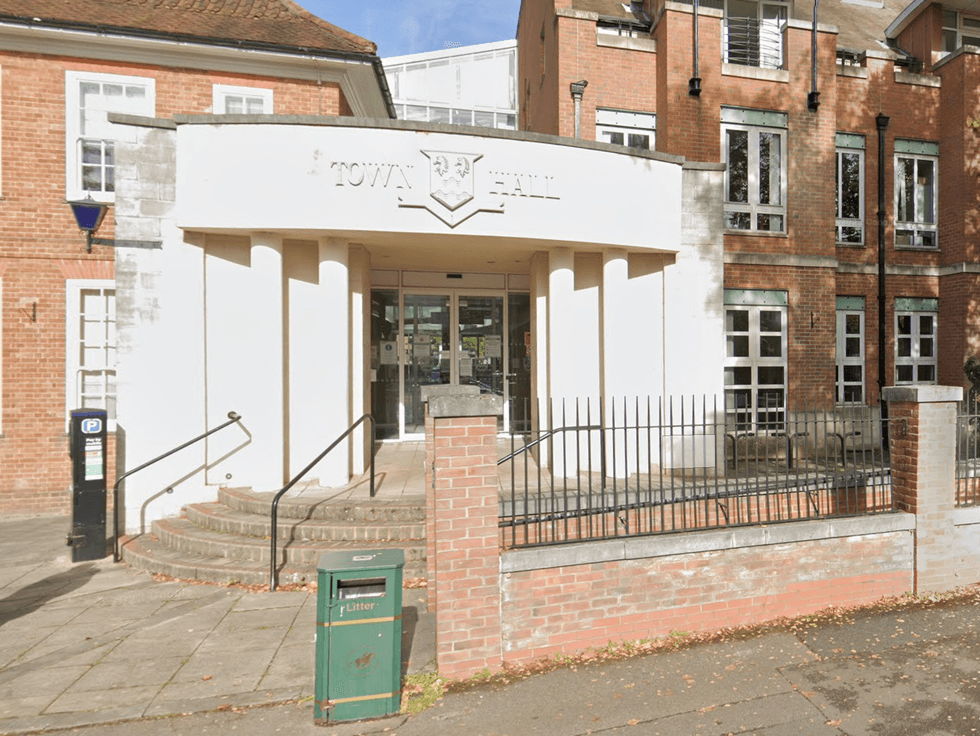
Epsom and Ewell Borough Council has been evacuated after an World War Two mortar shell was placed on the front desk
|GOOGLE MAPS
"Thank you to everyone for your patience and cooperation."
Between 2010 and 2018 it was reported that the Ministry of Defence said it has been involved in making 450 German WW2 bombs safe. Around 60 a year.
There are no records dating before 2010, and those records do not take into account private collections.
Aside from the emergency services and the army, private collectors also dispose of the devices, usually with a military background.
LATEST DEVELOPMENTS
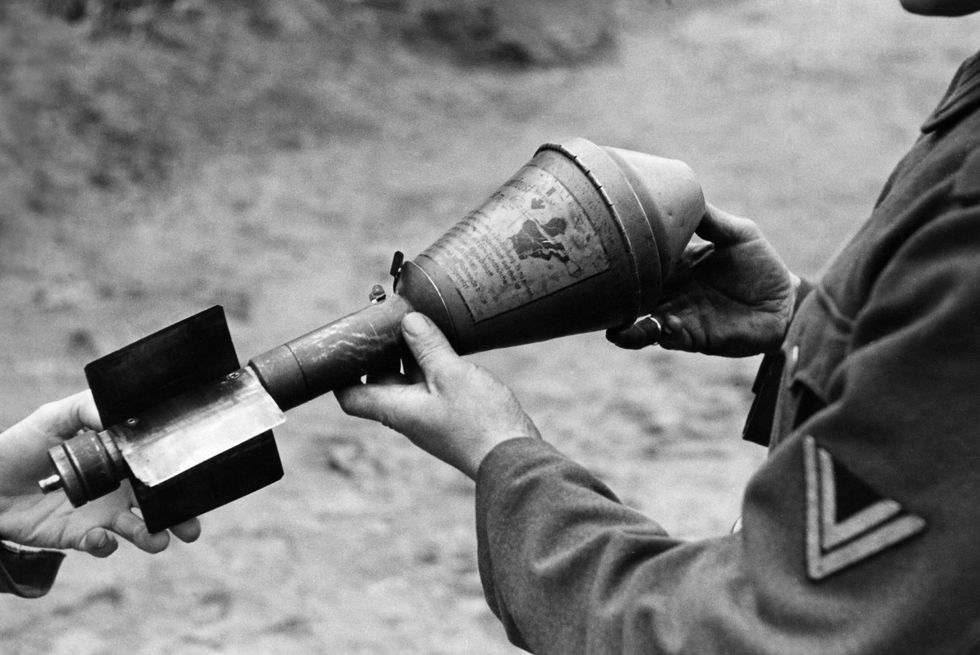
A World War Two mortar shell was seemingly placed at Epsom and Ewell Borough Council
|GETTY
Zetica, a company that specialises in the discovery and removal of unexploded bombs, estimates that the private sector dispose of around 8,000 bombs annually.
Mike Sainsbury, the managing director of Zetica, has previously told the BBC it can be difficult to determine the origins of some explosives.
"There's not much difference nowadays between a two inch 1940s mortar and an 1980s one - apart from a bit of more rust."
The Construction Industry Research and Information Association released a guide for managing risk with explosive devices.
The Ciria guide said they could be reactivated by either direct impact, vibration or heating.
However the lack of explosions with old devices is "particularly because of the Germans commonly using electrical fuses in WW2 that stopped functioning when the battery expired."
It was estimated that during the war 200,000 bombs were used.
Around 10 per cent remained unexploded.
Our Standards: The GB News Editorial Charter