






Borrowing costs for the UK Government have jumped sharply as global tensions rattle financial markets.
Investors are reacting to escalating conflict in the Middle East, driving up the cost of debt.
British Government borrowing costs surged on Tuesday after Donald Trump issued a stark ultimatum to Iran over its blockade of the Strait of Hormuz.
The yield on 10-year gilts rose from 4.83 per cent to 4.94 per cent, moving closer to the highs seen in late March when rates climbed above 5 per cent for the first time since the global financial crisis.
The US president demanded Iran reopen the key shipping route by 1am BST on Wednesday, warning he would target Iranian infrastructure if the deadline is not met.
Around 20 per cent of global oil and gas supplies pass through the strait, making it a critical route for energy markets.
Trump intensified his warning later on Tuesday, writing on his Truth Social platform: "A whole civilization will die tonight, never to be brought back again. I don't want that to happen, but it probably will."
The comments sent shockwaves through European bond markets, pushing borrowing costs higher across the region.
As a result, pressure is building on government debt interest payments.
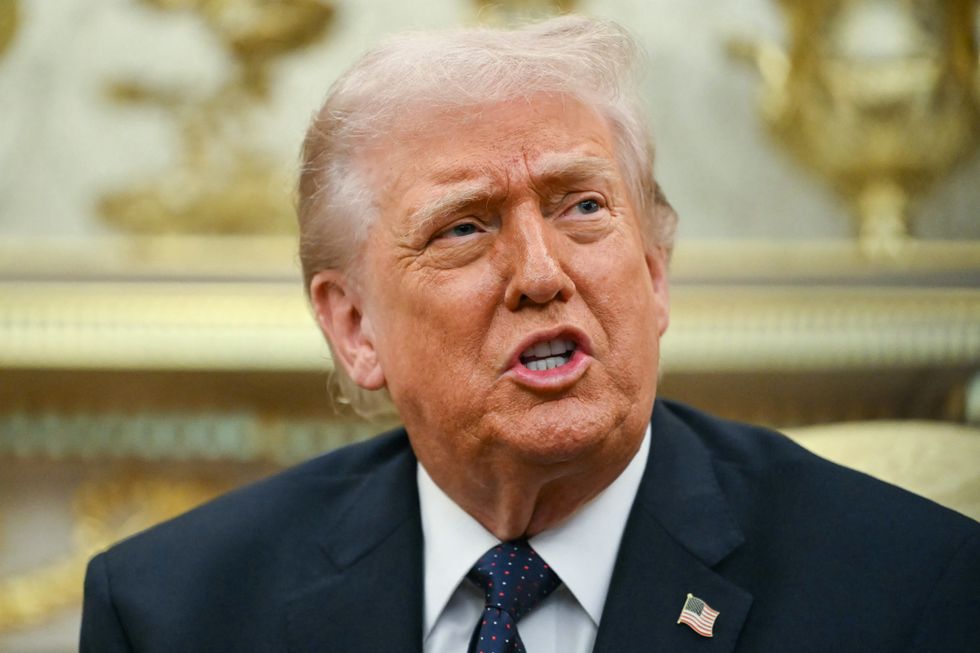
The US president demanded Iran reopen the key shipping route by 1am BST on Wednesday
| GETTYInvestors are bracing for either a diplomatic resolution or a massive US missile strike on Iranian targets within hours.
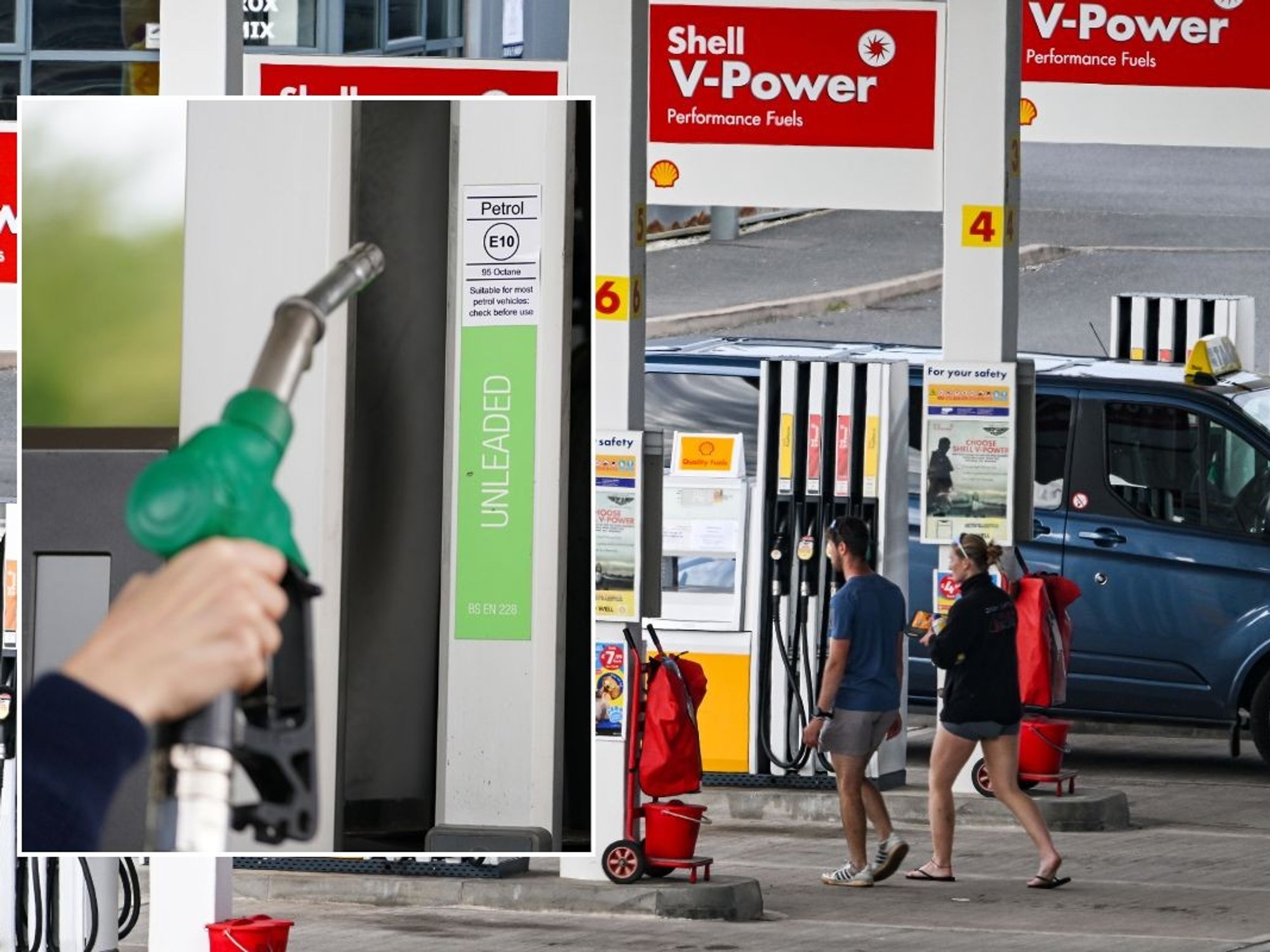
The conflict, which began at the end of February, has already driven oil prices up by roughly 53 per cent, causing significant increases in petrol and diesel costs for consumers.
Brent crude rose approximately 1.5 per cent to $111.4 a barrel during early trading and held steady at that level throughout the session.
London's FTSE 100 initially opened marginally higher before sliding into negative territory.
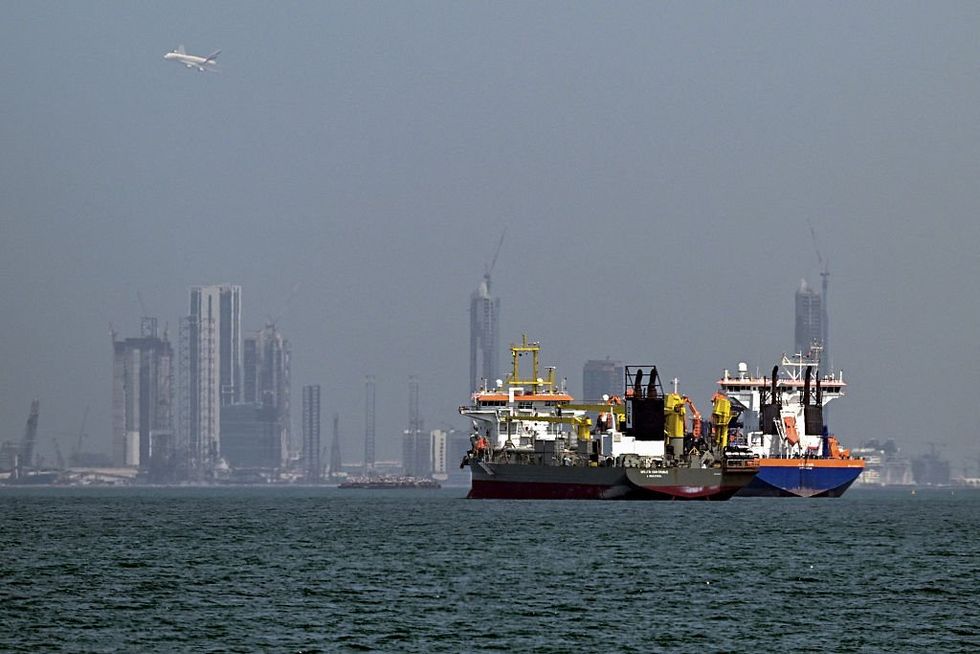 A limited number of ships have been able to pass through the strait, but Iran has kept it mostly closed | GETTY
The blue-chip index fell 87.5 points by the close, finishing down 0.8 per cent at 10,348.79.
Across Europe, markets were mixed. Germany’s Dax dropped around one per cent, while France’s Cac 40 moved higher, gaining roughly 0.7 per cent.
Investors remained cautious ahead of the midnight deadline, with traders still hoping for a diplomatic breakthrough despite little progress in recent talks.
US markets also came under pressure as rising tensions in the Middle East unsettled investors, wiping out last week’s brief recovery.
The S&P 500 opened down 0.5 per cent, while the tech-heavy Nasdaq Composite dropped 0.6 per cent. The Dow Jones also declined, falling nearly 0.7 per cent. Losses were seen across the board as hopes faded for a breakthrough in negotiations before the deadline.
Philip Shaw, chief economist at Investec, described the ultimatum as a "pivotal moment" in the conflict.
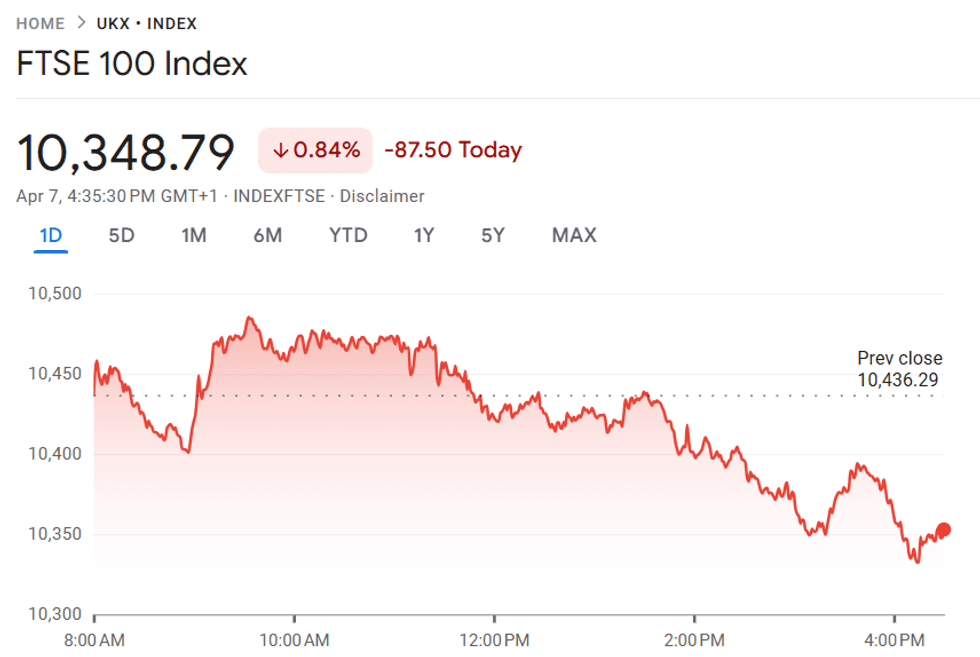
The blue-chip index fell 87.5 points by the close, finishing down 0.8 per cent at 10,348.79
|"Either you get an agreed ceasefire at least for a while, or you see a huge escalation in the conflict, and markets are genuinely unsure which way to turn," he said.
"Therefore we're all waiting for later on tonight or any news of negotiations through the course of the day."
Richard Hunter, head of markets at Interactive Investor, characterised the situation as a "binary event" for investors choosing between ceasefire or further military action.
The FTSE 250 has fallen 3.4 per cent since January, weighed down by domestic economic concerns and broader risk aversion affecting global markets.